Topics
#wiki
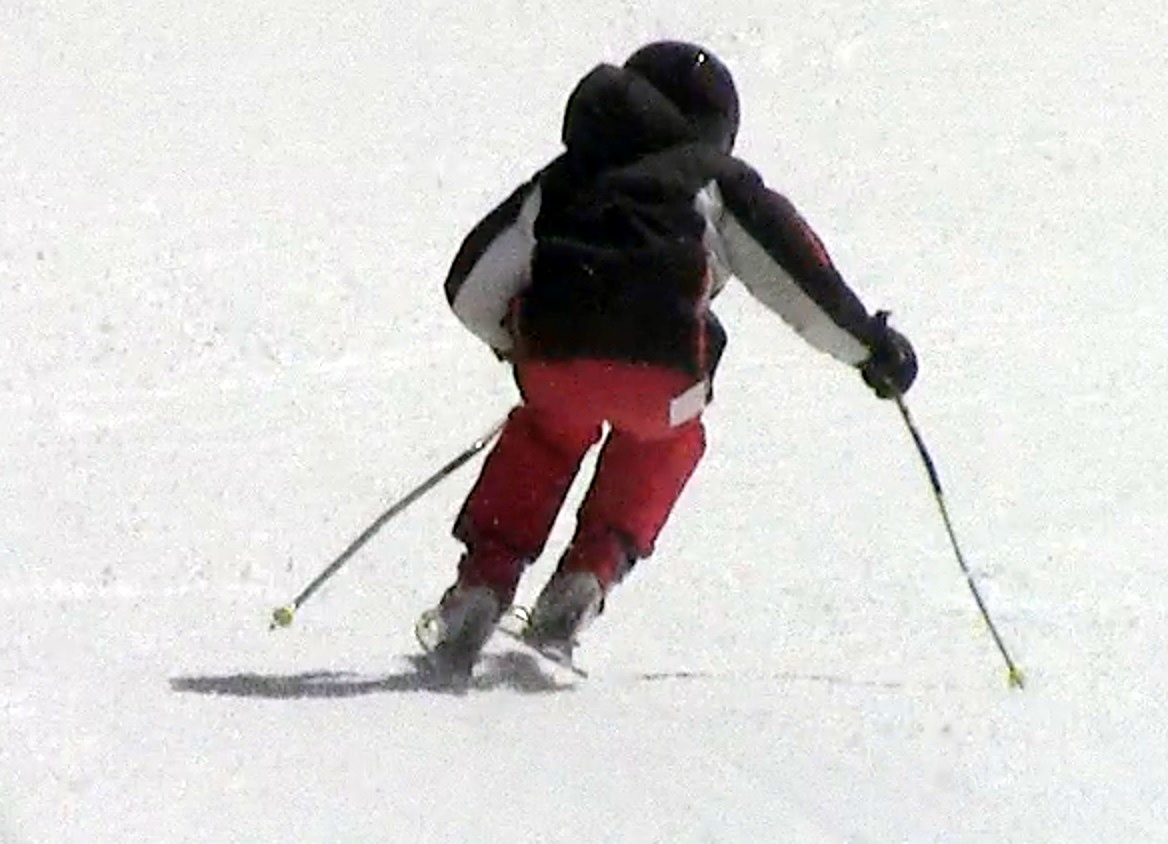 TippingTipping is actively rolling the feet from one side to the other to make the skis roll on edge^8 - the first primary movement in the Essentials framework, direct
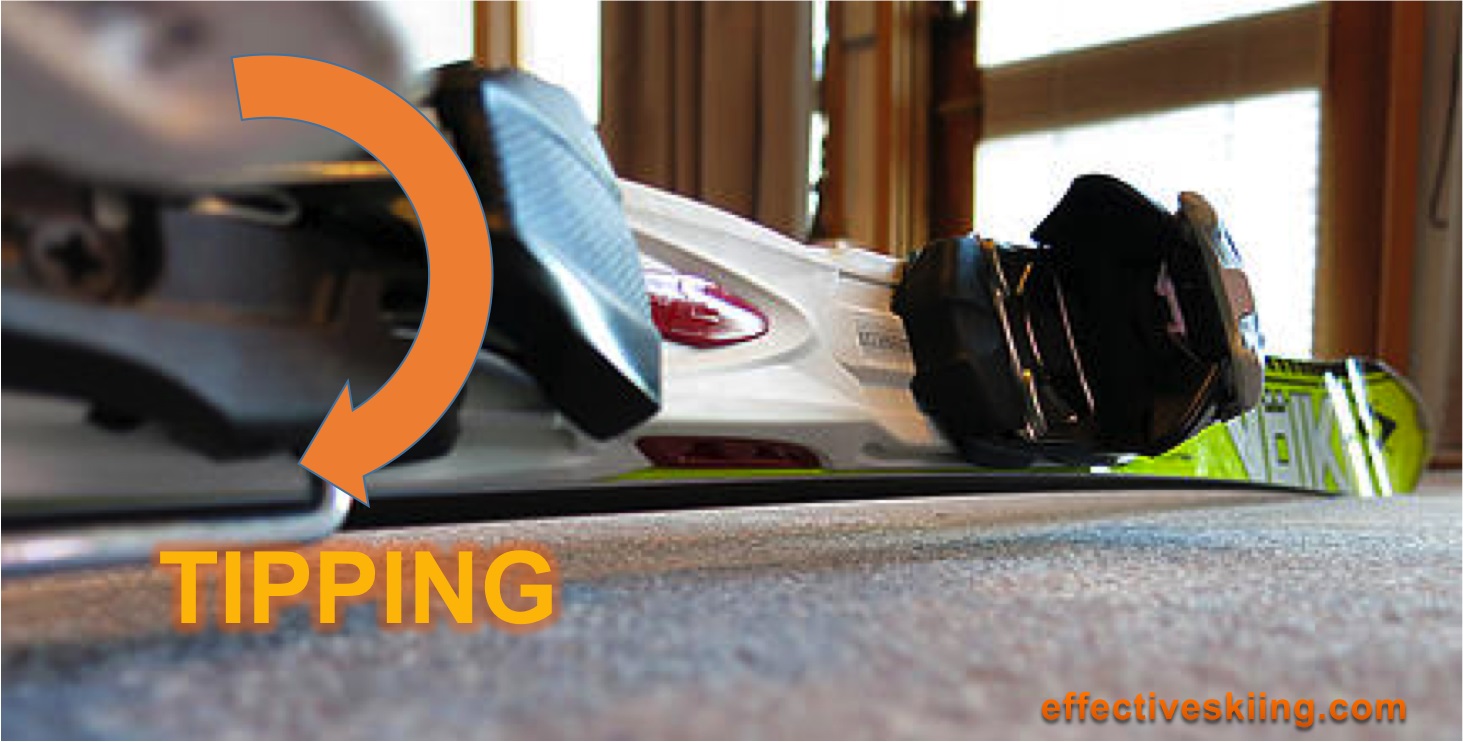 Foot TippingFoot tipping is the action of rolling the skis on edge with the feet. It is the most effective way to make the skis turn, because of the Sidecut and its interac
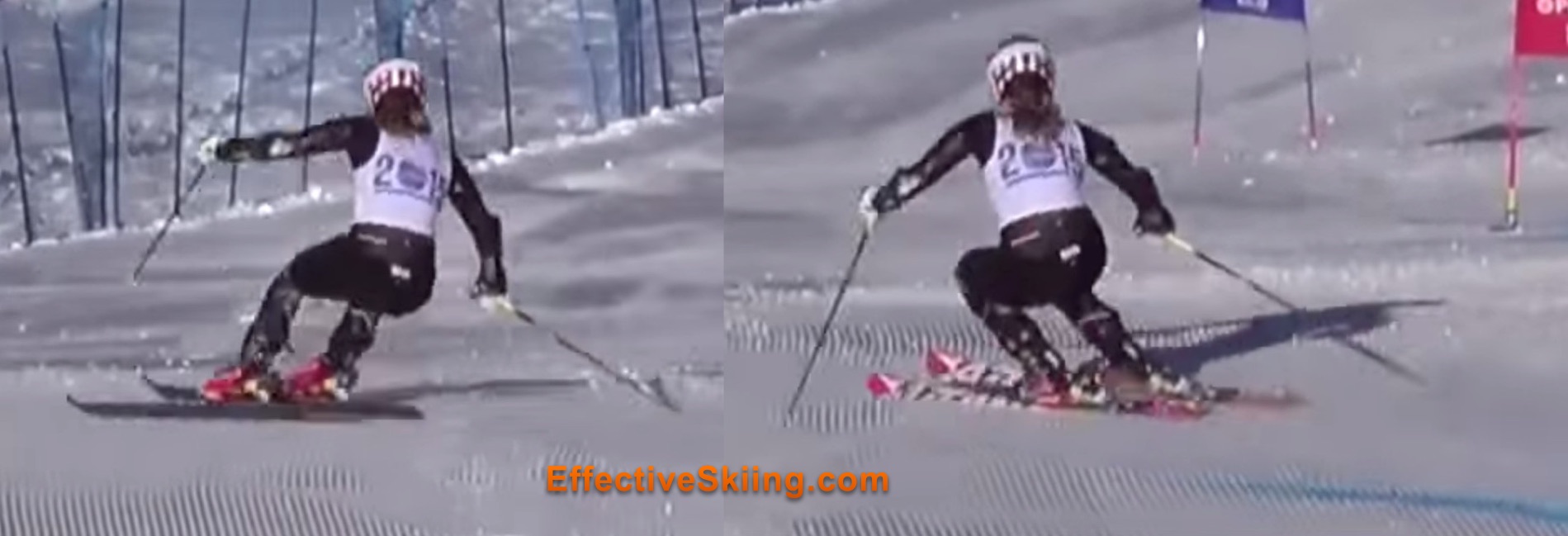 Weight transferWeight transfer is a critical aspect of skiing, simply because we have to transfer weight from one outside ski to another outside ski, as we keep turning across
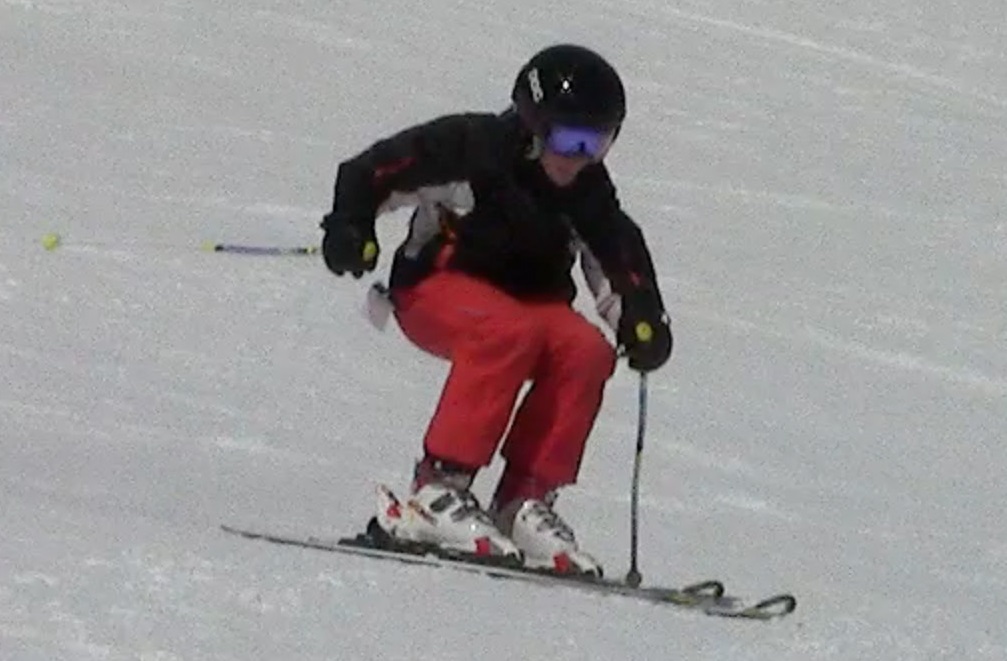 The transition between turns in alpine skiingThe transition in alpine skiing. Types of transitions and how to work on ski transitions.
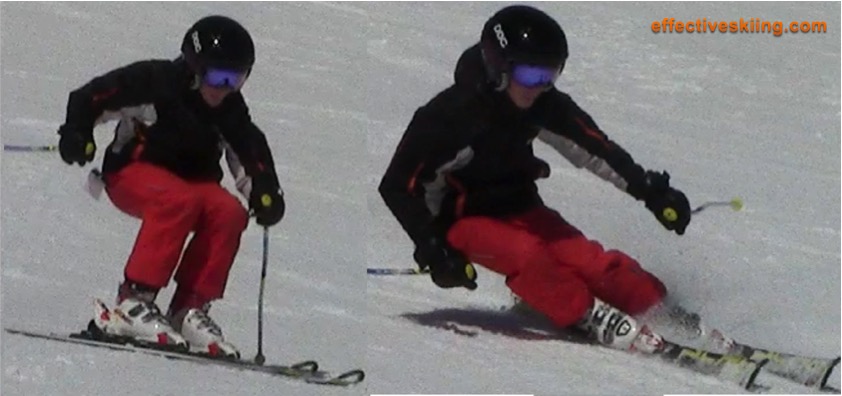 Skiing - a philosophy of movementSome instruction and coaching organizations are not movement-oriented but instead are skill-oriented^9. These look at all possible movements, from all joints an
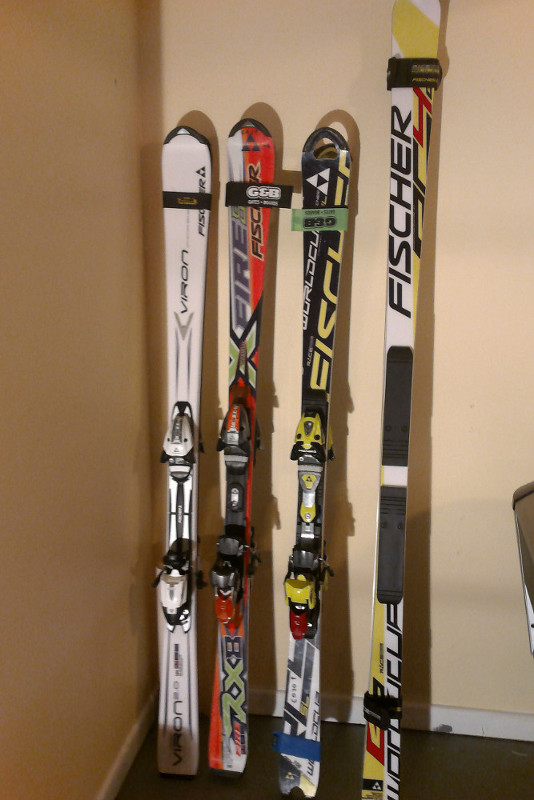 SidecutOn-piste skis have an hourglass shape, the sidecut: wider tips and tails and narrower in the middle, underfoot.
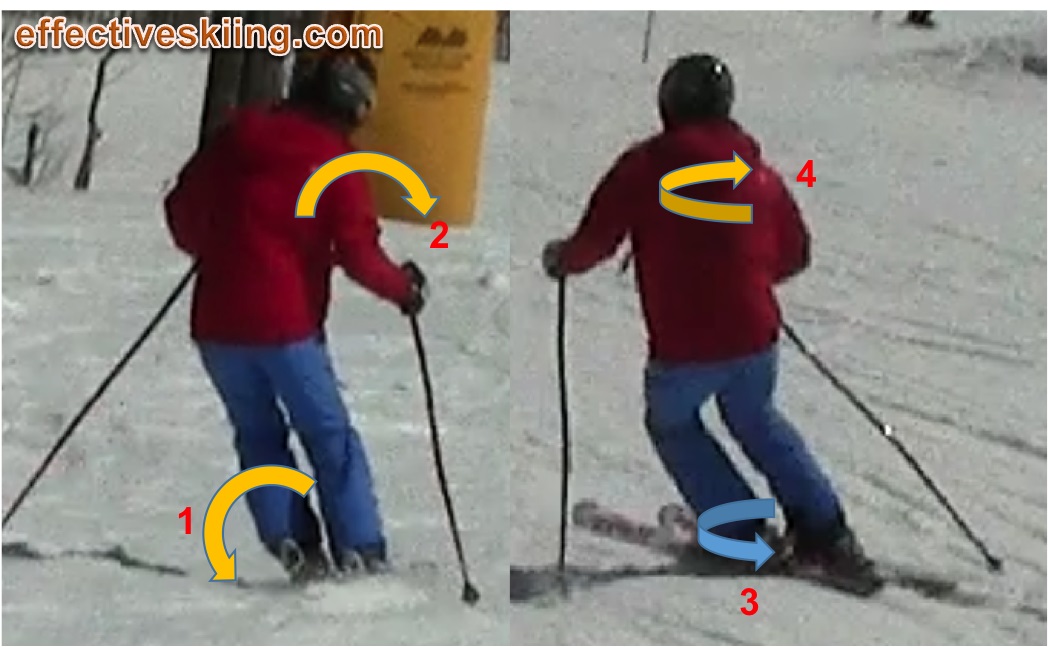 SeparationSeparation is the fundamental principle of skiing: the one of separating the movements and actions of the upper body from the movements and actions of the lower
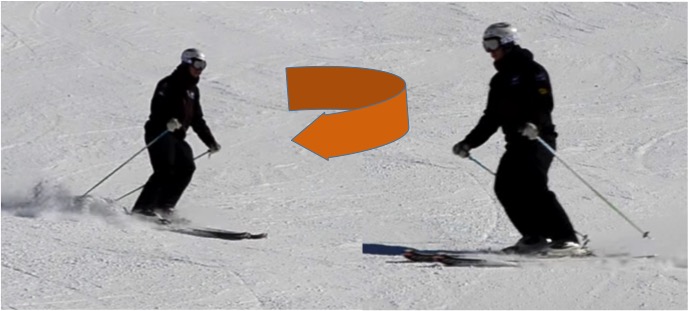 RotationRotation is the opposite of opposite::Coiling, opposite::Counteraction and opposite::Separation and it means that one is allowing upper body to follow and turn
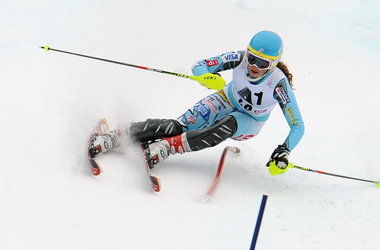 PressureApplying pressure to the skis is what causes them to bend and turn and is responsible for great skiing. Avoiding pressure for the most part, on the other hand i
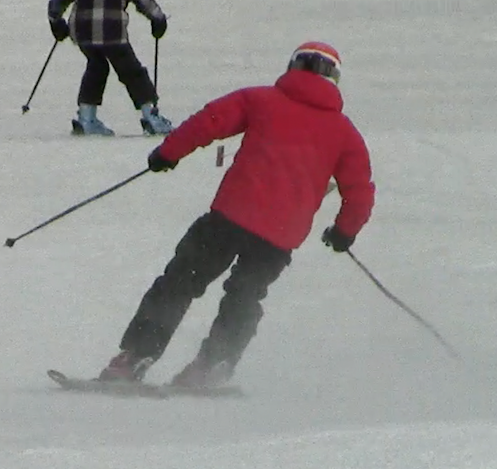 Inclination vs angulationIf you pop tall out of the previous turn, even if you are able to create a top of the new turn like below, you are inclining into the new turn and then have to
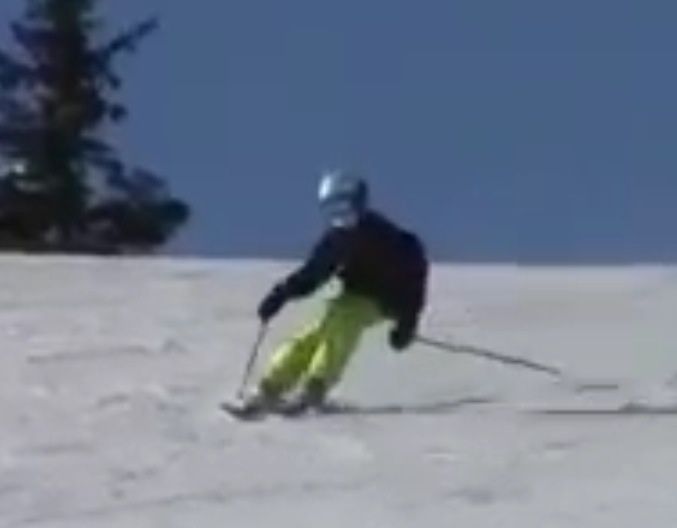 Hip dumpExpert skiers Tipping tip the skis on edge from the feet and ankles - many skiers though have a tendency to stick the hips out, drop them into the turn and help
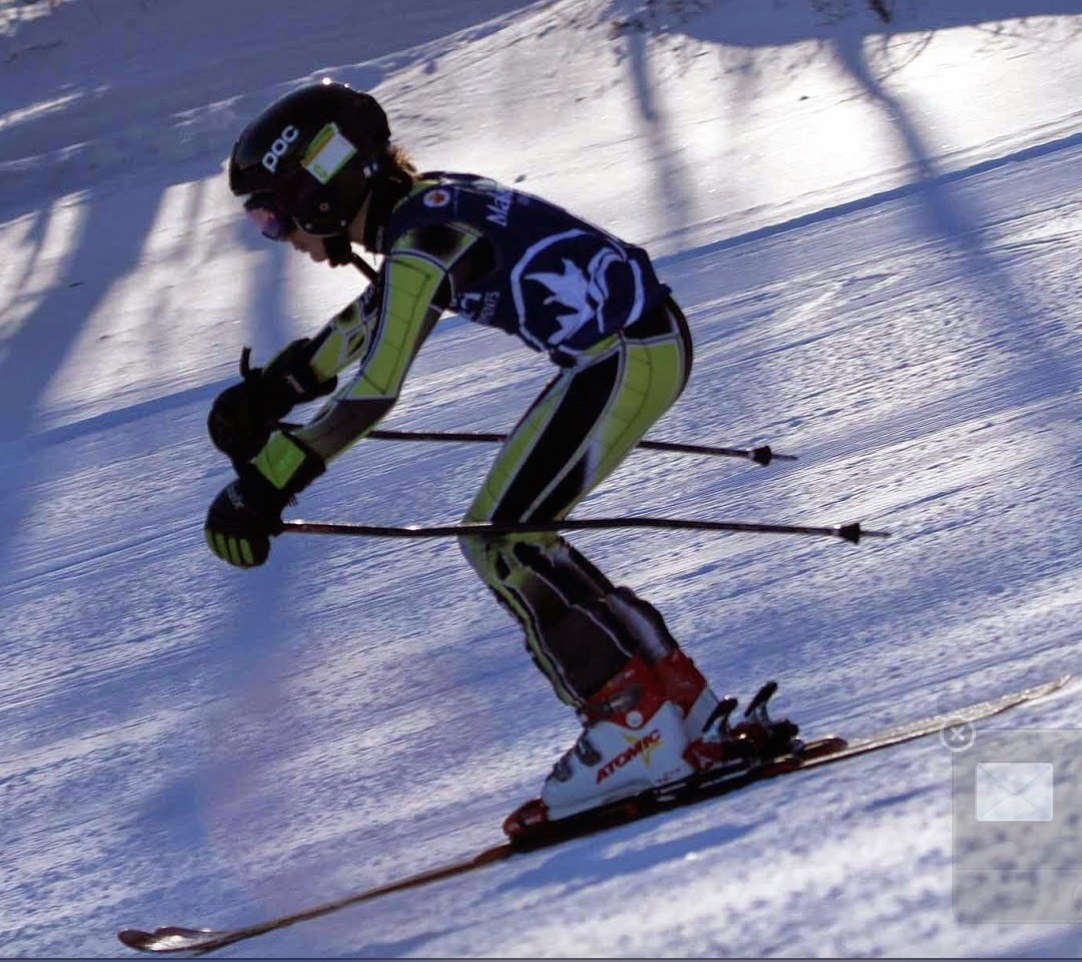 Fore-aftFore/aft balance and control makes for great fluid skiing, in dynamic balance and adaptable to all conditions, with instant line and turn shape control and more
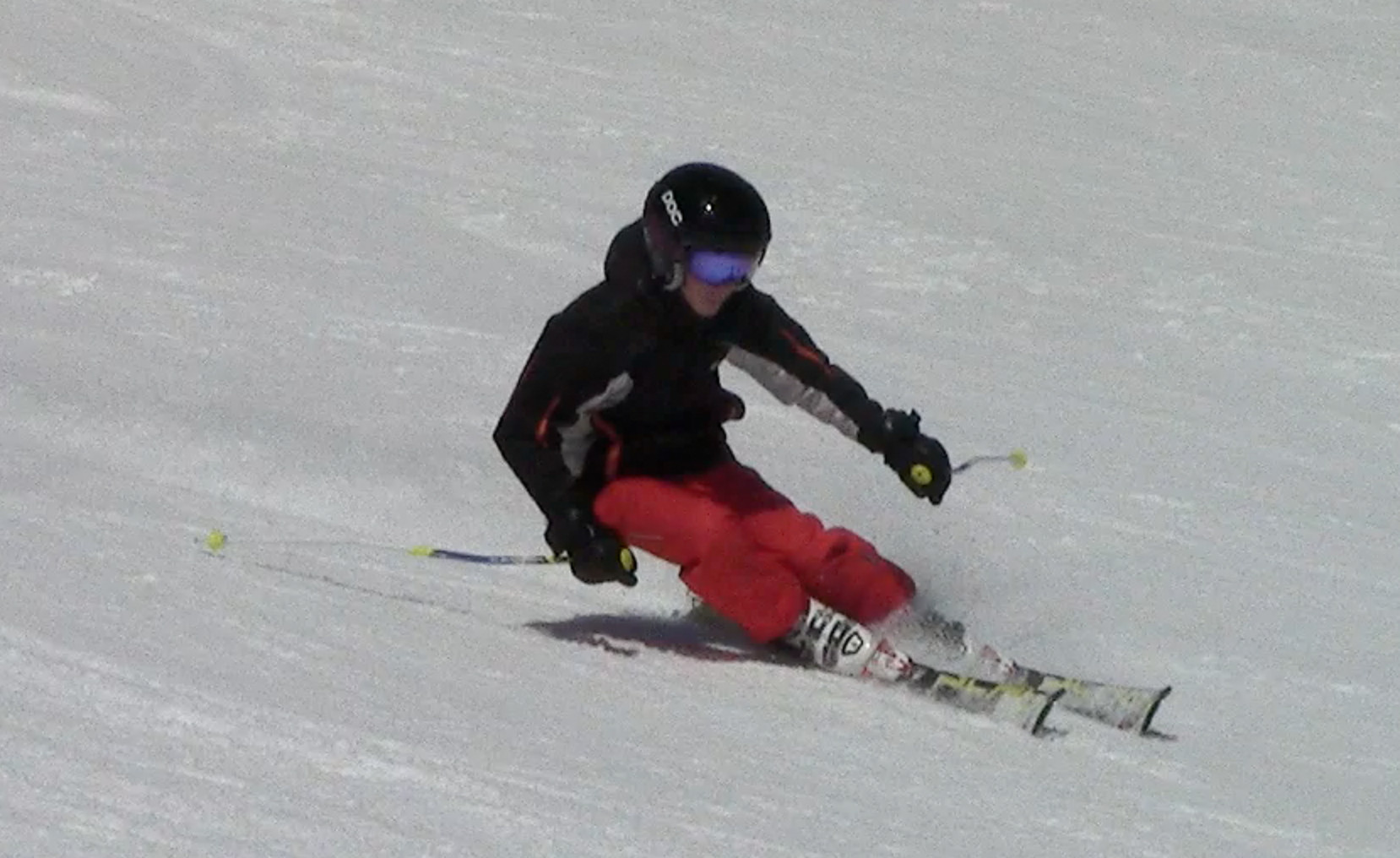 AngulationAngulation refers to the lateral movements of creating angles at the ankles, knees, hips and spine^1, but it is commonly used to reference hip angulation. Its p
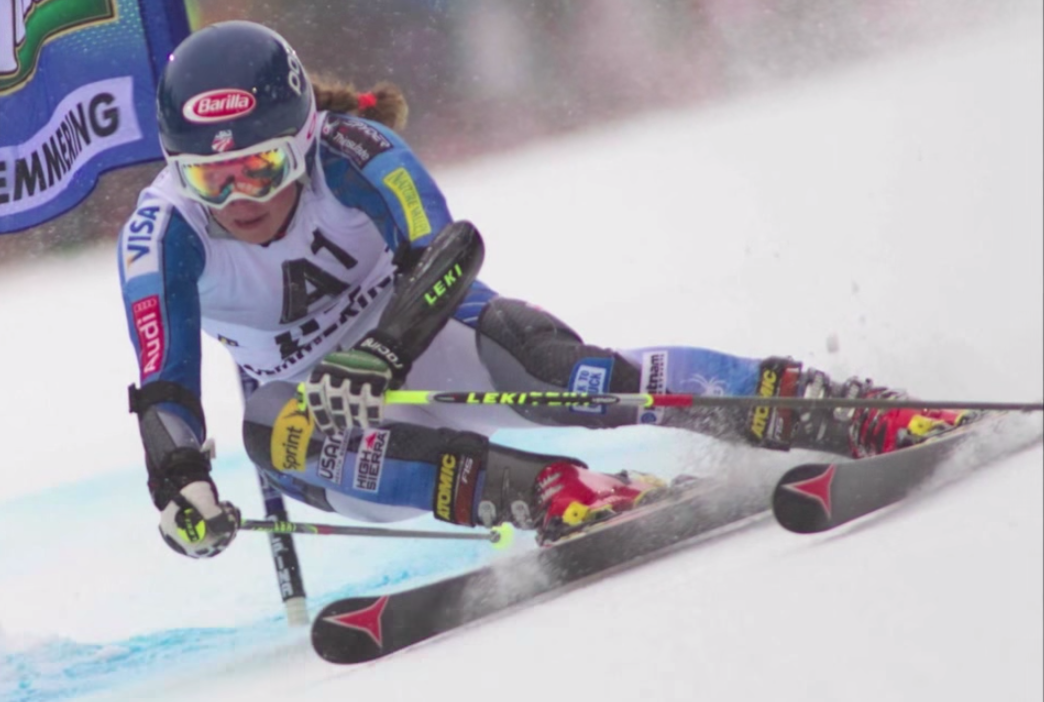 Tip leadThe inside ski tends to get forward through the turn and end a little forward of the other one - also referred to as lead change as the new inside ski takes the
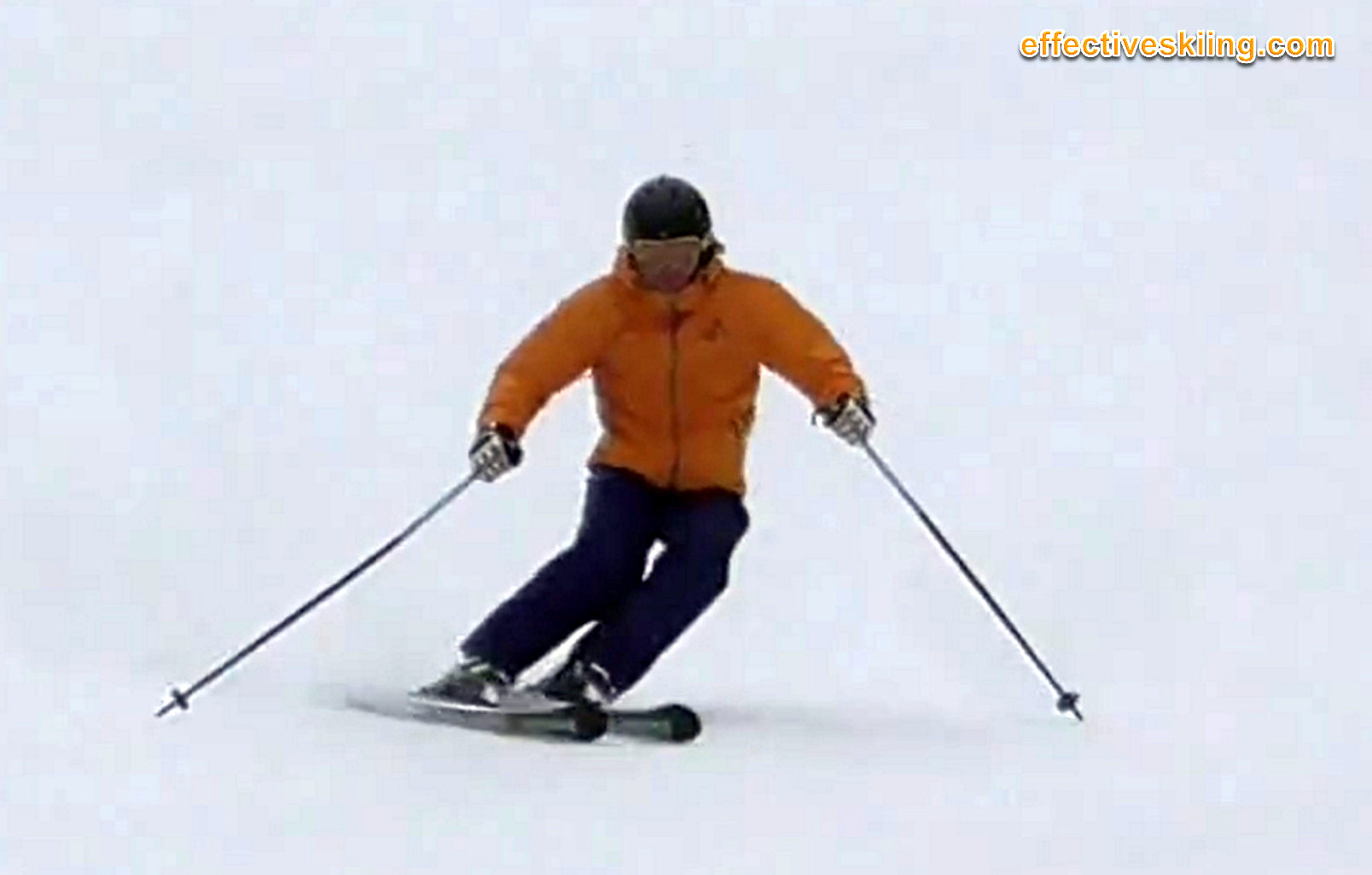 Femur rotationThe femurs rotate in the hip sockets, especially as the skis turn while the body turns less. Femur rotation is critical to movement in general and creating Sepa
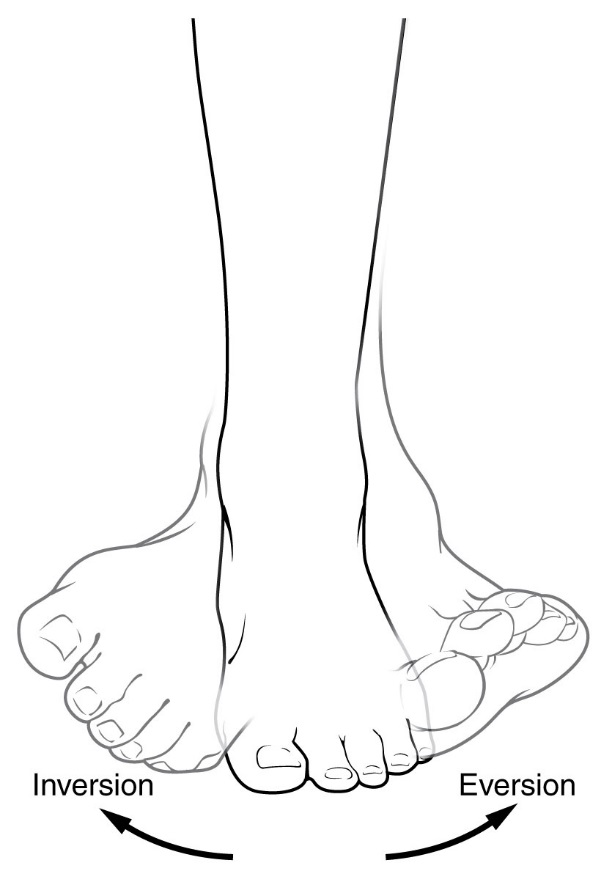 Inversion and eversion in expert skiingThe best way to Tipping tip the skis on edge is via the lower foot and ankle, via inversion/eversion ( commonly referred to as Foot Tipping ):
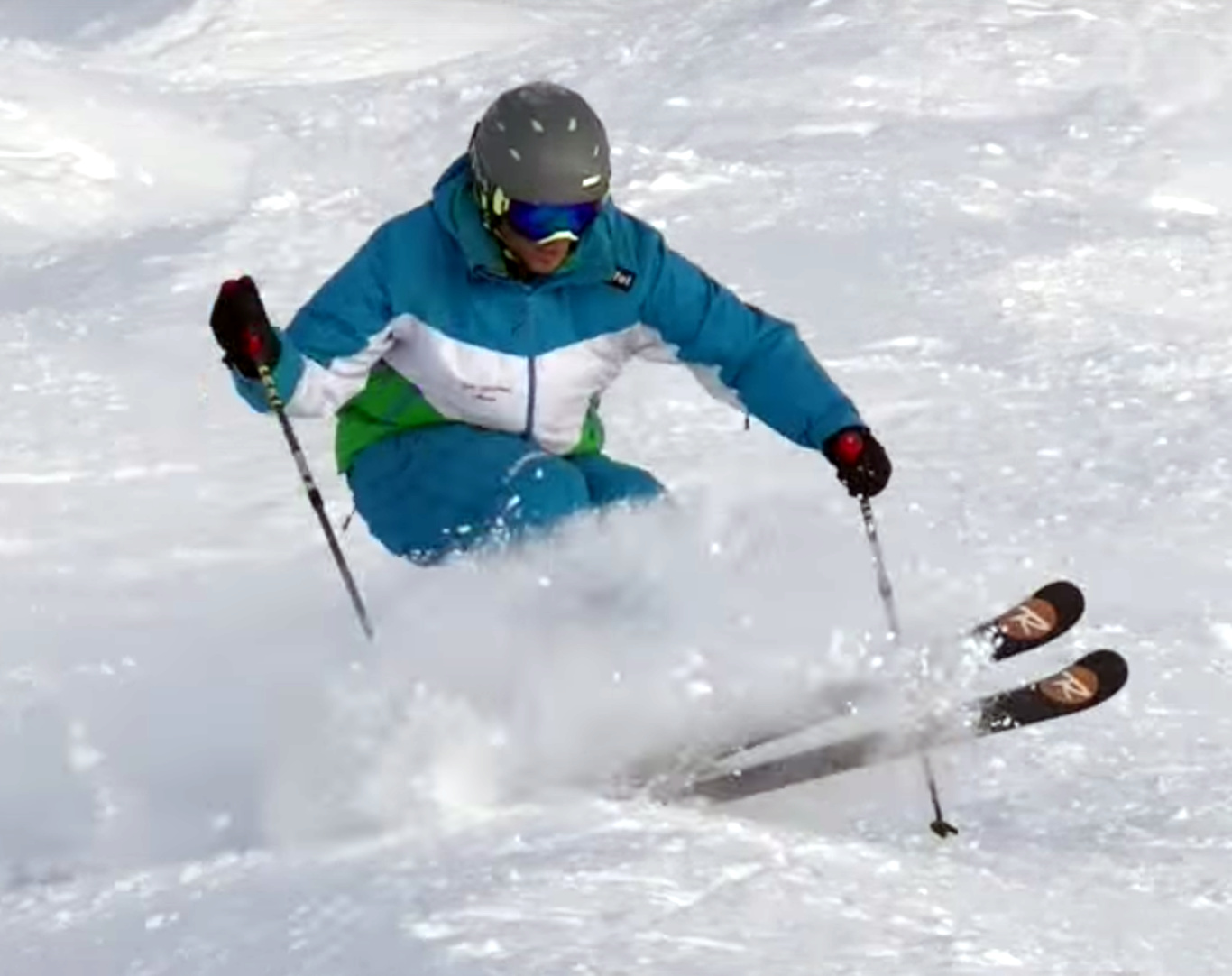 Blocking pole plantThe blocking pole plant is a specific pole plant to control (or block) the rotation of the upper body, controlling the Angular momentum. It is especially usefulTopplingToppling is one way to describe the way we create a turn, popularized by Tom Gellie. The idea is based on using gravity and inertia to help move you efficiently
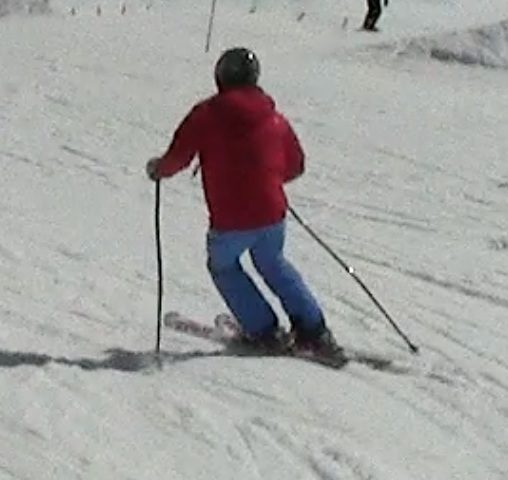 The wallThe wall is a rule of thumb used^1 by the USSA to guide how much separation we should create in the average Giant Slalom turn, throughout the turn and the princSteeringSteering a turn means many things to many skiers and you will likely hear it used in many contexts, but generally, steering refers to making an active effort toSteering and coilingUsing an action/reaction framework, a rotation effort of the feet is created against the momentum of the upper body while the countering of the upper body is cr
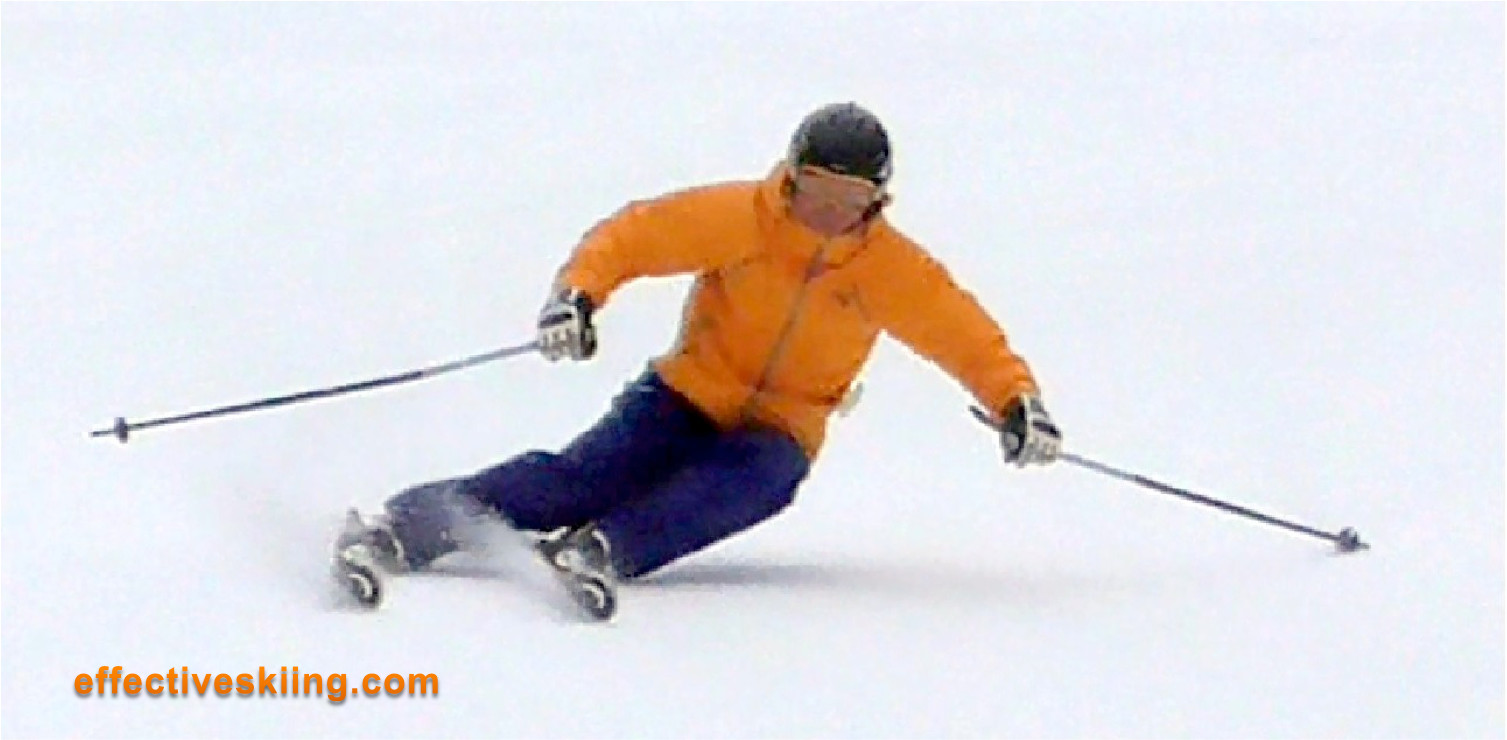 Speed controlSpeed control is the name of the game in skiing It is one of the basic skills and the confidence generator. High or low performance, speed must be controlled an
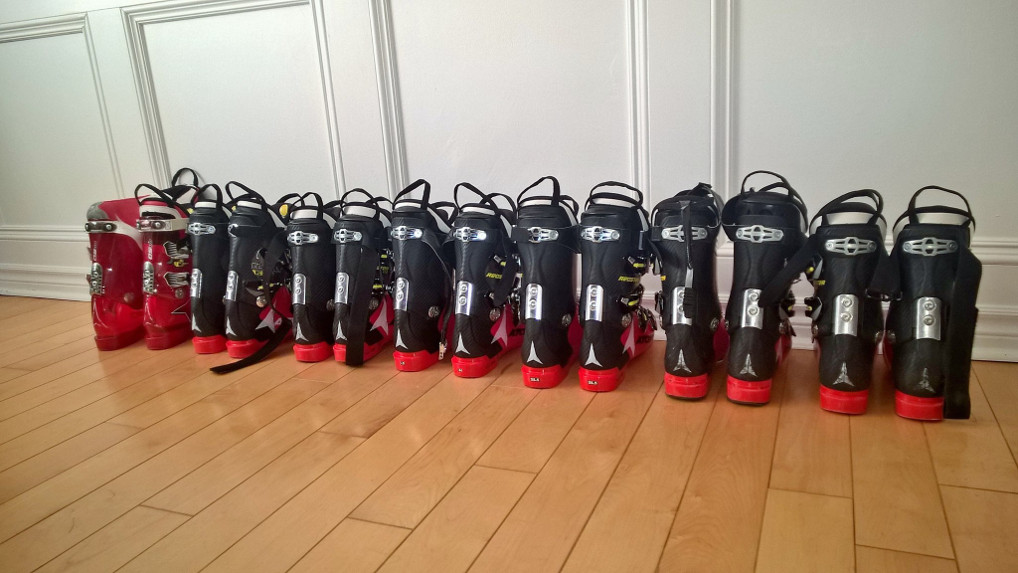 Ski boot setupThe boots are by far the most important piece of equipment you'll ever own. Ski boot setup is often thought of as an art and, although you will be assured of th
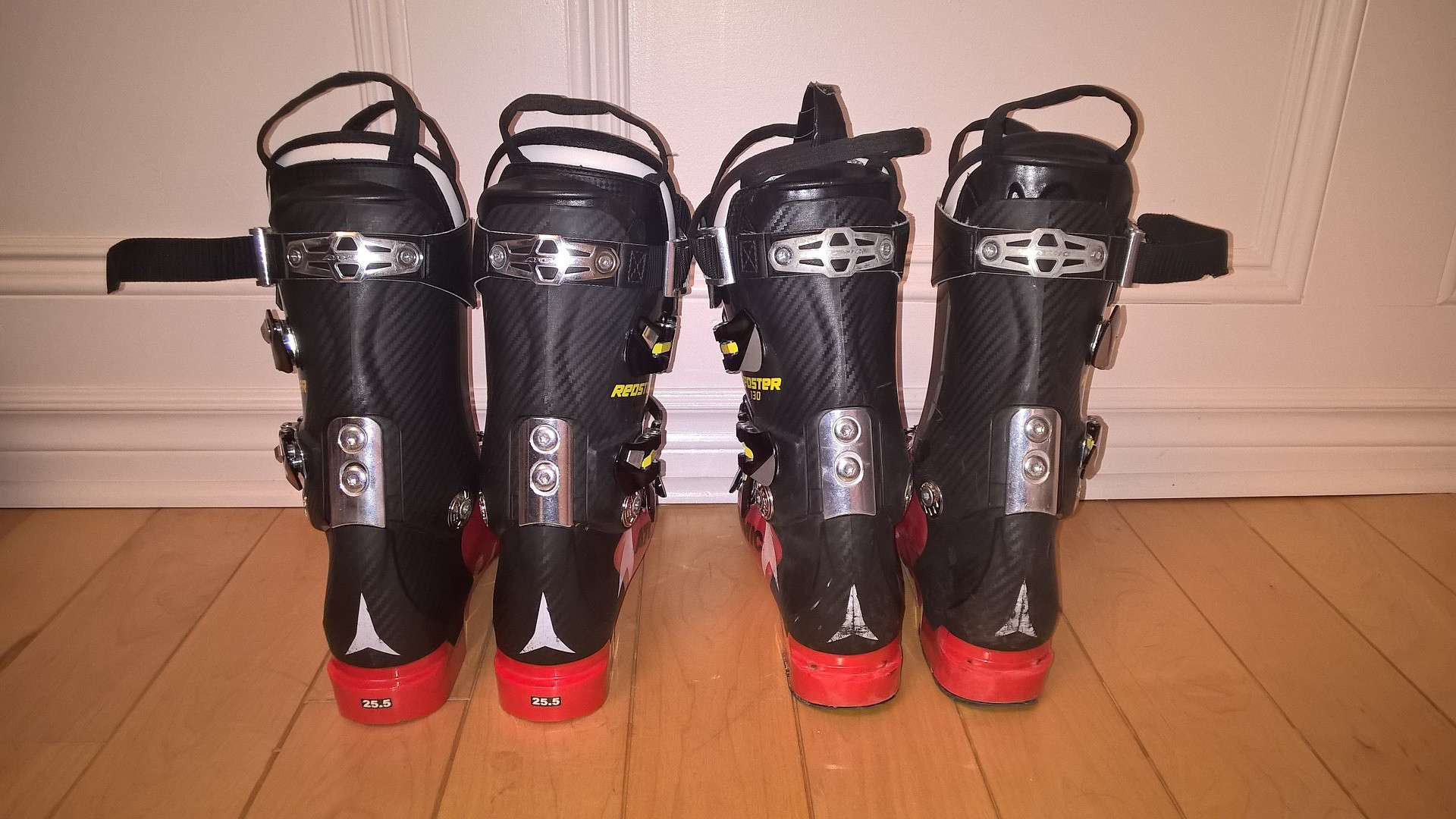 Ski boot cuff alignmentLooking at setting up the ski boots from a lateral alignment perspective, the first thing to look at is the cuff alignment. The cuff alignment can have a large
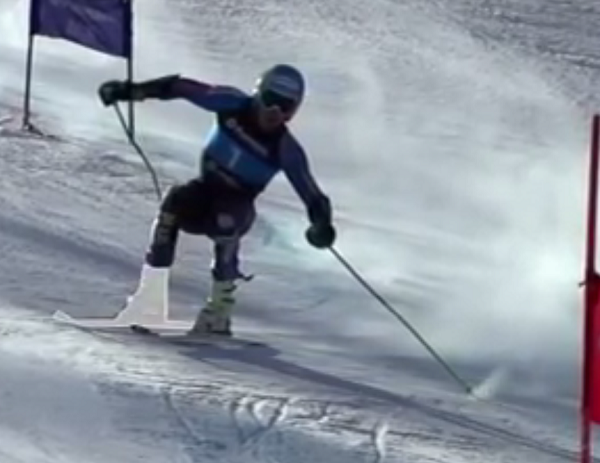 ReleaseThe release and transfer are arguably the most important parts of the turn - as they will set up all the elements for the next turn as well. The purpose of the
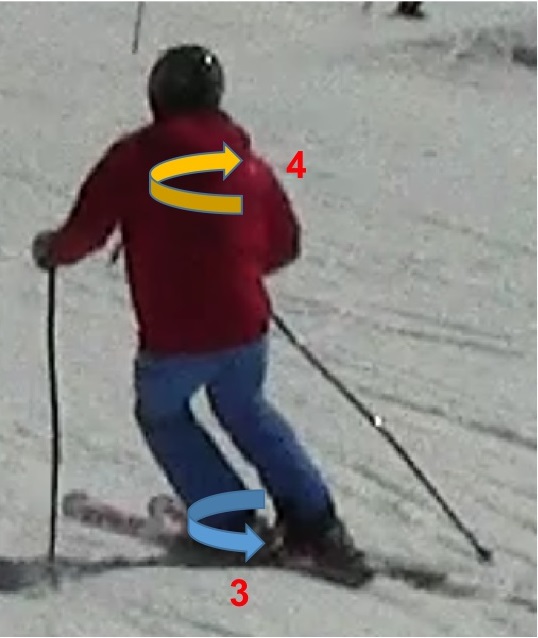 PivotingPivoting is perhaps the most over-used term in ski instruction. It means pretty much anything, depending on who is using it and what context it is being used in
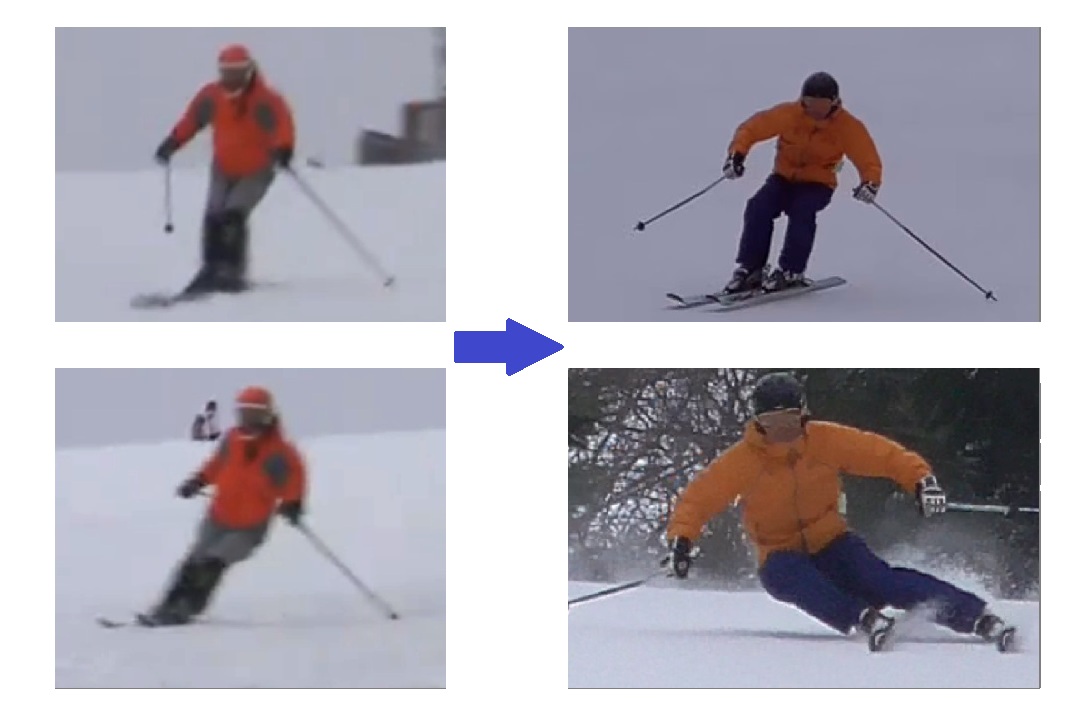 MOREWhen learning new movements in skiing, our brains are generally on the defensive and exaggerate all sensory inputs. We need to exaggerate our movements to compeForwardSkiers are in a constant struggle to "get forward", but what does it mean to be forward?
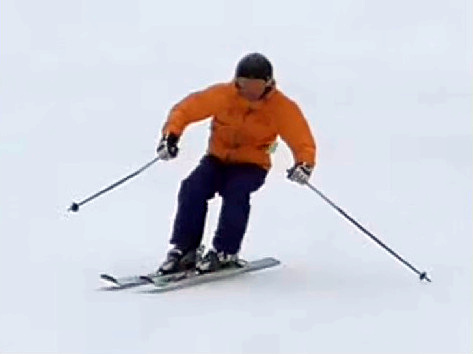 FloatingIn high performance skiing, there is a state of "floating" between turns. The energies from the turn can be harnessed to create a state of weightlessness, where
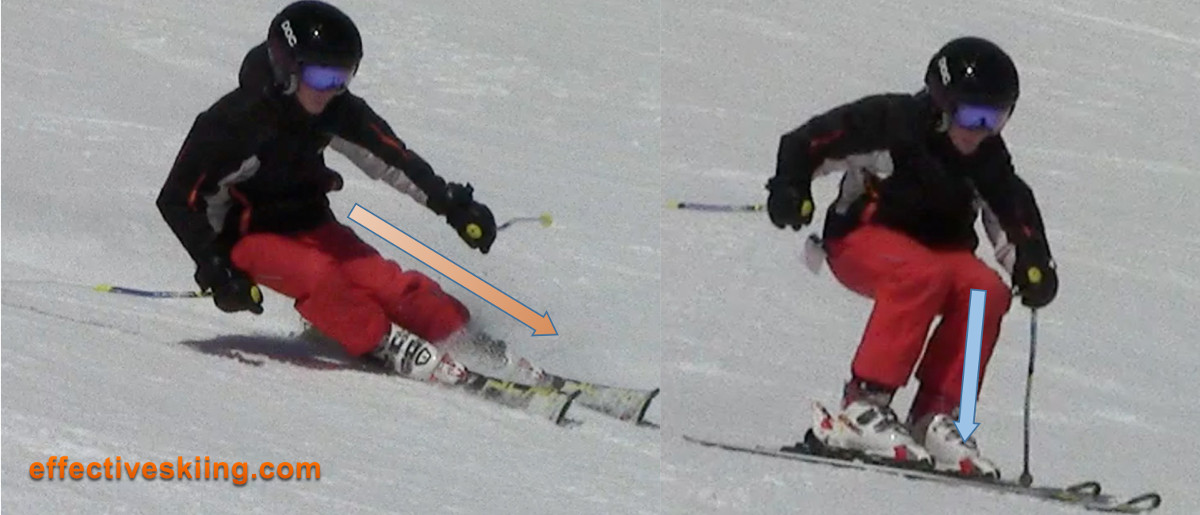 FlexingFlexing and extending of joints is what enables us to move and stay in balance. The most important flexing is that of the ankles, knees and hips, all fundamentaFlexing and extendingFlexing and extending of joints are how we move and stay in balance. Traditionally seen as just a means to control pressure, that's not the entire story - here'Flexed releaseFlexing and shortening the outside leg in order to release the ski, also referred to as "flexion release", "flex to release", "retraction" or "down-unweighting"
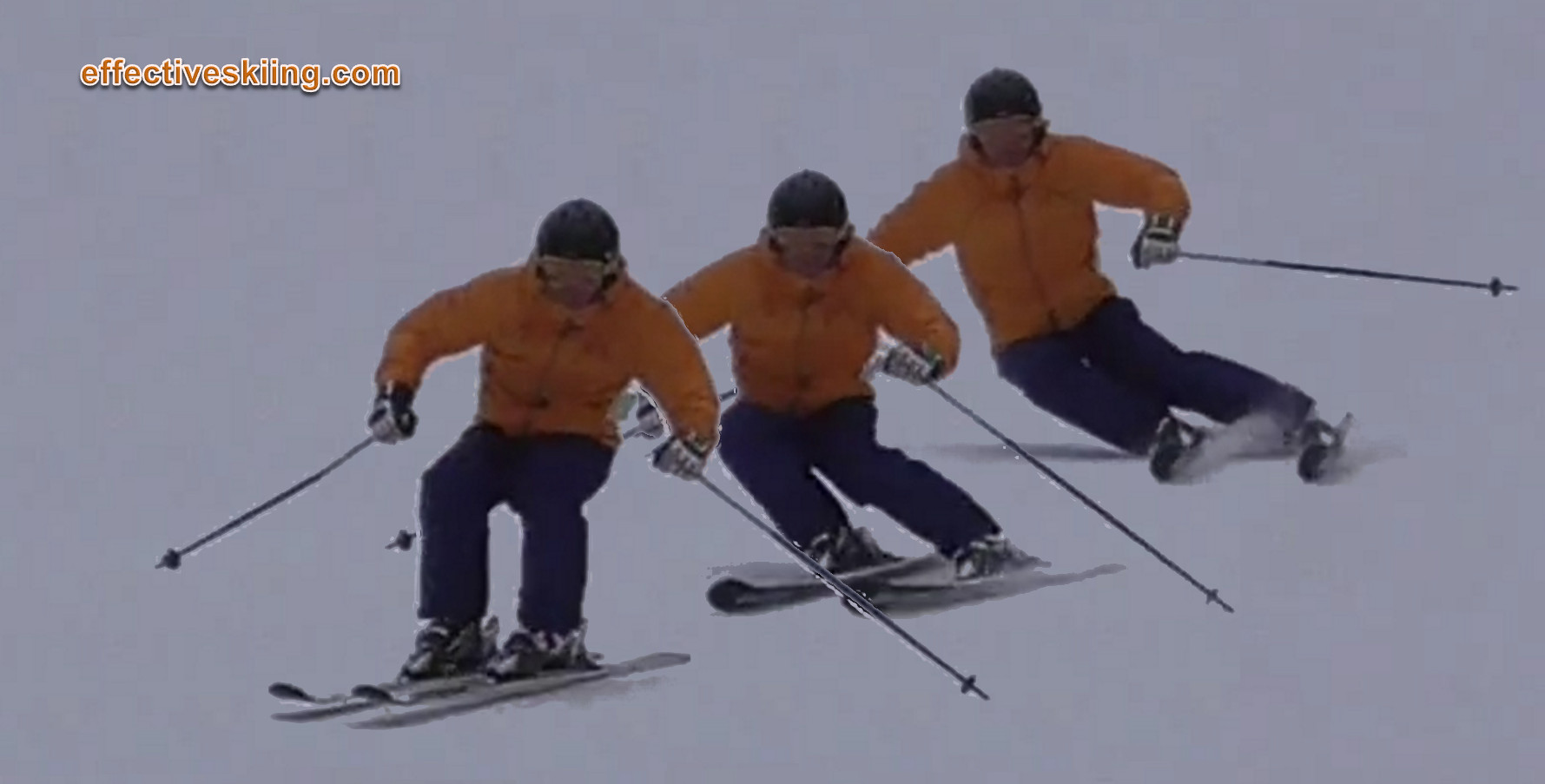 Expert skiingEverybody keeps looking for simplifications and unification... well, it is true: it is tempting to try and define expert skiing in very simple and straightforwaEssentialsThe Essentials of Skiing is a great book on skiing, by Harald Harb, capturing the essential components of great skiing:CounteractionWhile the skis are turning because of the other movements and interaction with the snow, counteracting is the active rotation of the torso contrary to the way t
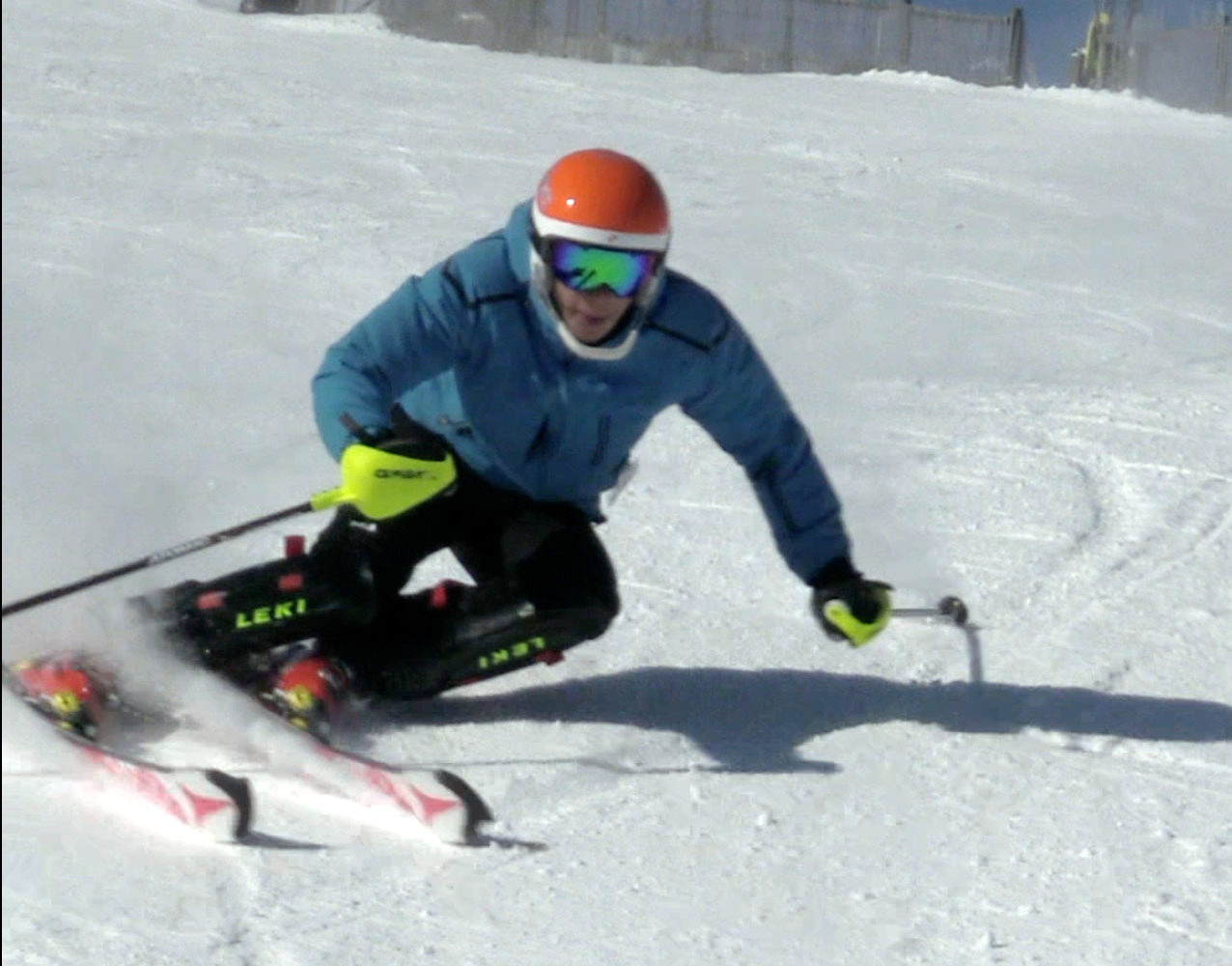 CarvingLearn what carving is and how to carve the skis.Brushed carvingBrushed carving describes turns which are not quite carved, but where the skier avoids big movements that disrupt balance and control and make the tails of the
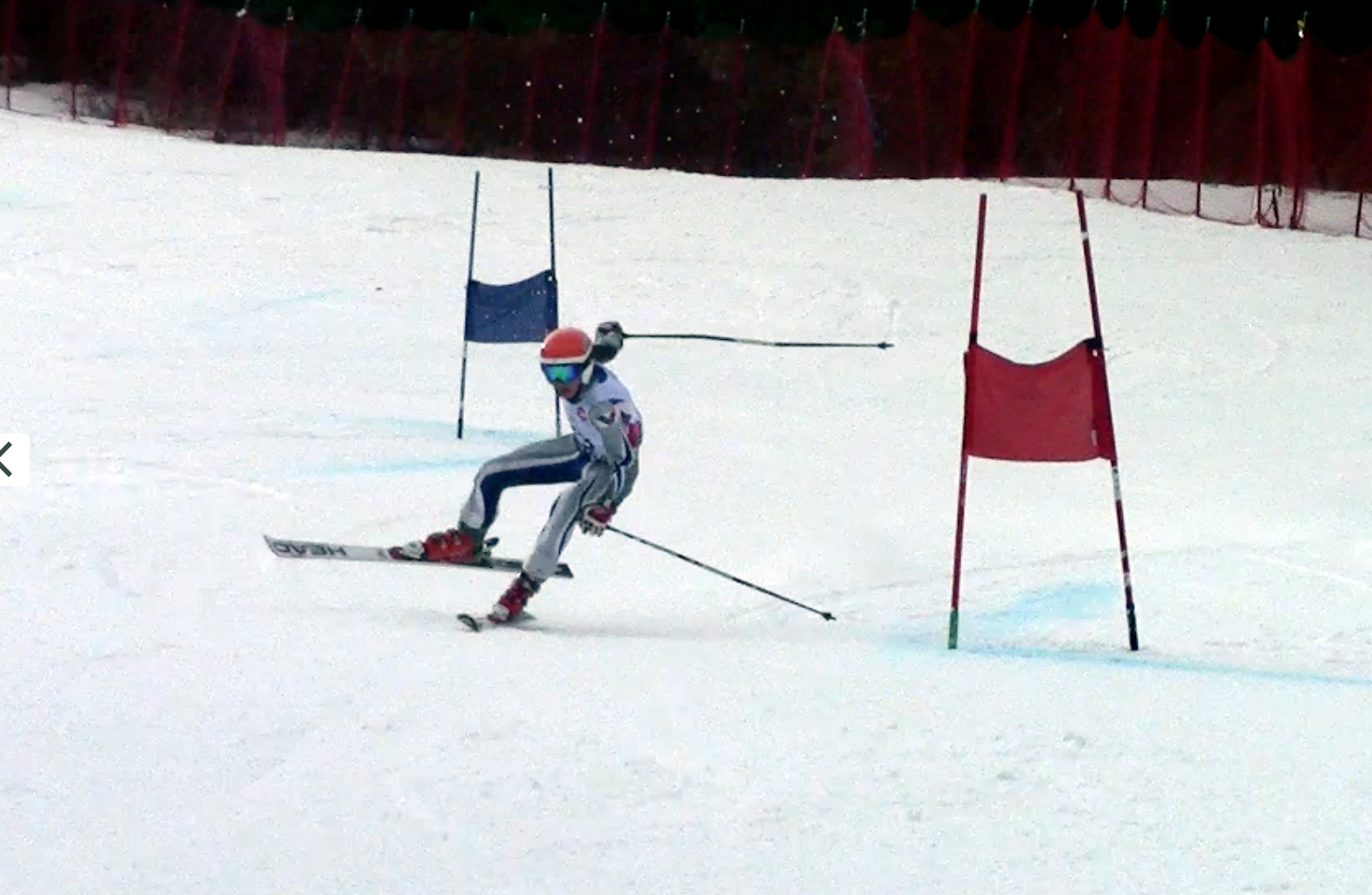 BalanceA sense of balance must be developed above all other skills, for great skiing to be possible. In dynamic skiing however, we talk about stability with mobility,AlignmentTo stay in balance, we need to be aligned with (or against) the forces acting on our body. This continuously requires movements like Counterbalancing and CoilincounteractingWeighted releaseThe weighted release^1 is a particular way to Release the skis, where some weight is maintained on the old outside ski through the release and transition and soVisualizationVisualization is one of the most important psychological skills of a ski racer. The racer is imagining a good performance, from either an internal or external pTurning with the upper bodyThis is one of the major problems facing beginning skiers - turning with the upper body. Here is an example of turning with the upper body - he's leading the tu
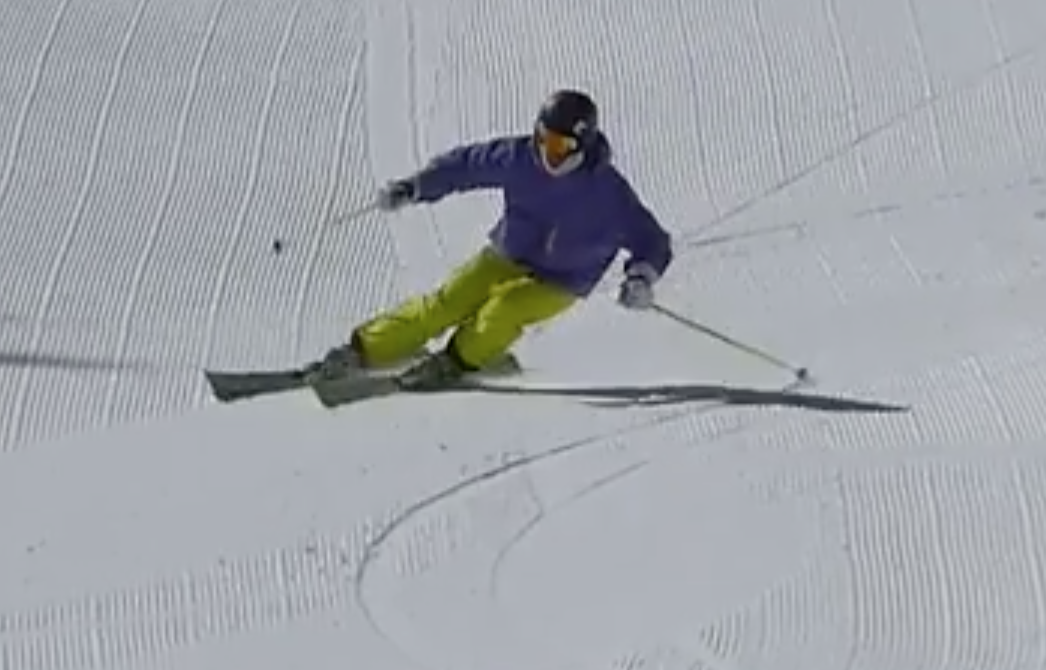 Tips evenYou can often hear this yelled by race coaches: "keep the tips even"^1. It is a powerful external cue. It is good for Fore-aft and Tipping and it requires FlexiTaking videoHere are some guidelines for taking video for ski movement analysis:
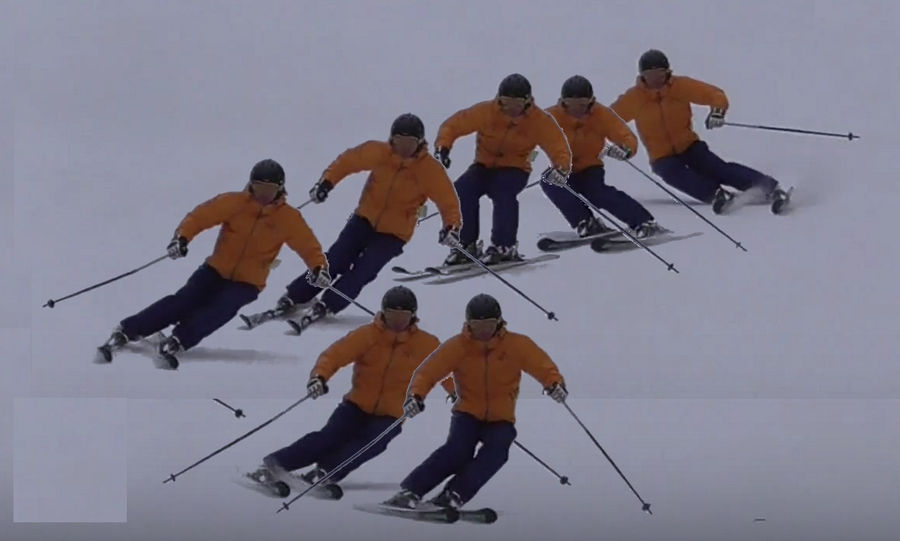 TacticsTactics refers to a general category of "soft skills", like the choice of line through a mogul field, control of the speed, timing, changing turn shape to avoid
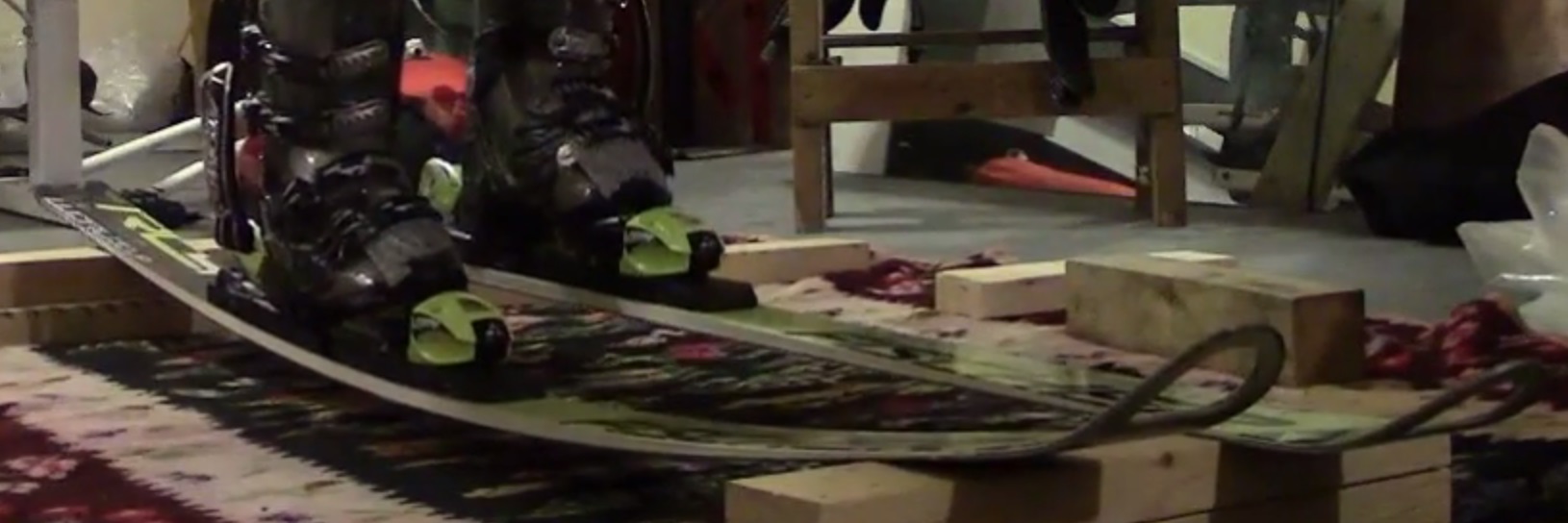 Sweet spotSkis have a sweet spot - this is the best place for the skier to apply pressure to get a great response from the ski. It usually is determined by the constructiSurvival ReactionsSurvival Reactions are subconcious reactions to perceived dangers, reactions we have usually little control of. "Fight or flight" kind of thing: they pop into oStivotSometimes on a steep pitch, a racer cannot carve a clean arc and needs to reduce speed or modify the arc and in this case one of the techniques used is the stivStanceStance refers to the way we stand on the skis and a good stance on skis is critical for Balance and performance. Stance is not a static notion, because our rela
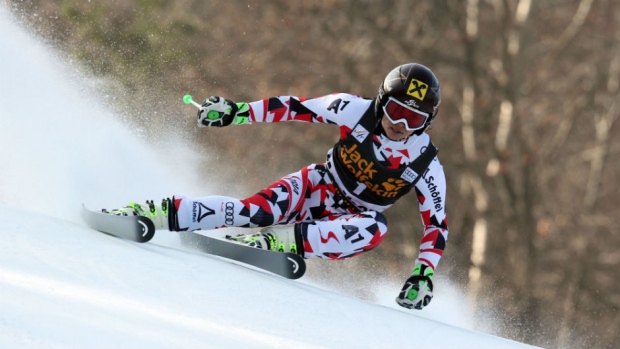 StackedIt is more effective when the body is "stacked" and aligned against the forces of the turn, using the skeleton more than the muscles to support the weight/press
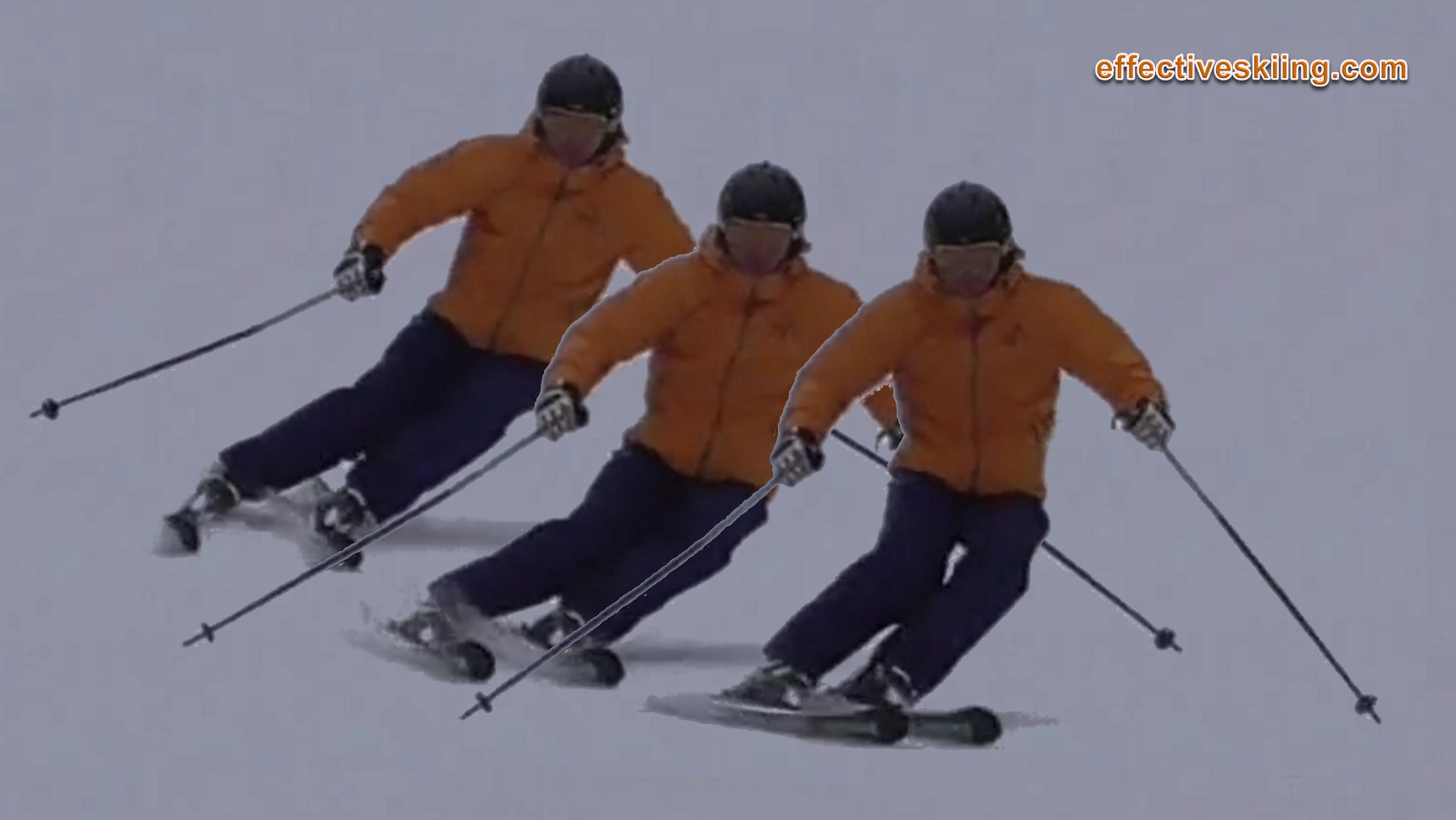 Stability with mobilityIn skiing we look for stability, but not in the sense of a sumo wrestler. Skiing is more like a dance and we also look for mobility. In fact, not only should st
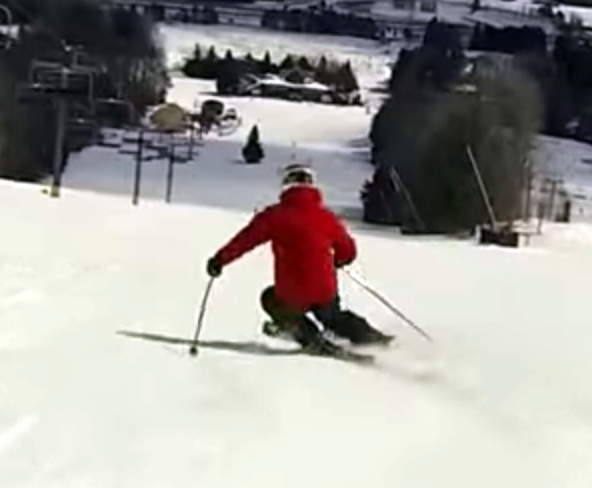 SquareYou'll sometimes hear this notion of being "square" to the skis. What it means is that the hips and shoulders follow the boots/skis and are on top, without any
 Spiral LearningLearning complex concepts and movements starts slowly, with a simple perspective and then cycle through the same notions, revisiting them and refining them at h
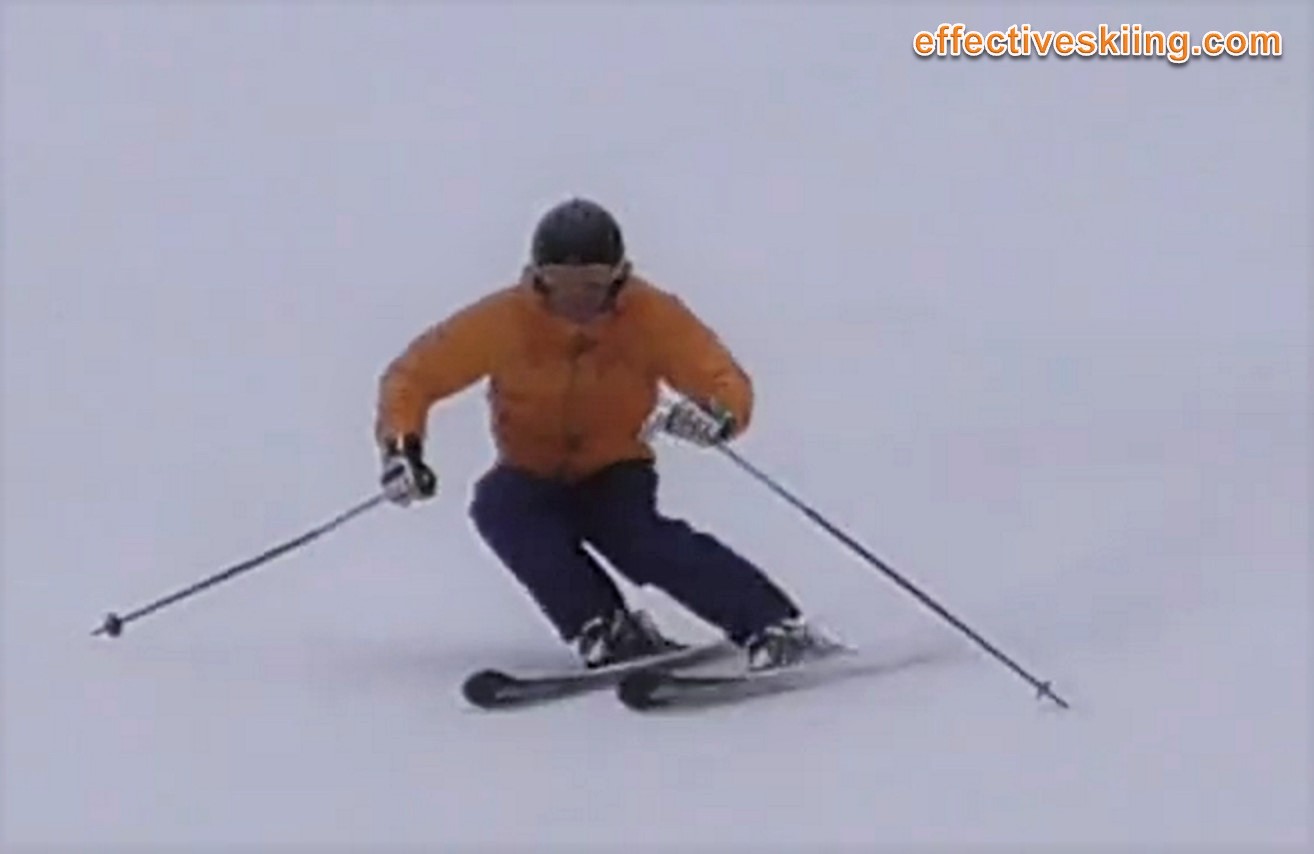 Snow sprayThe snow spray from a ski is an external cue, one that always tells the truth about Fore-aft and Pressure i.e. how pressure is distributed: on which ski and eve
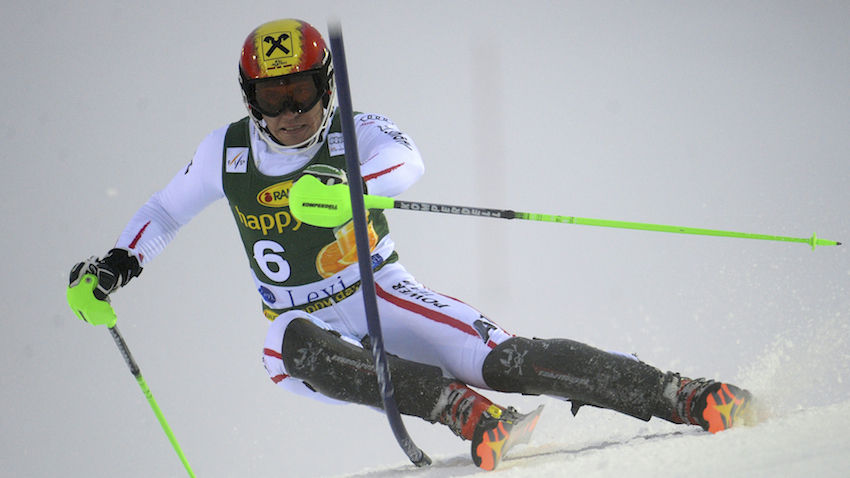
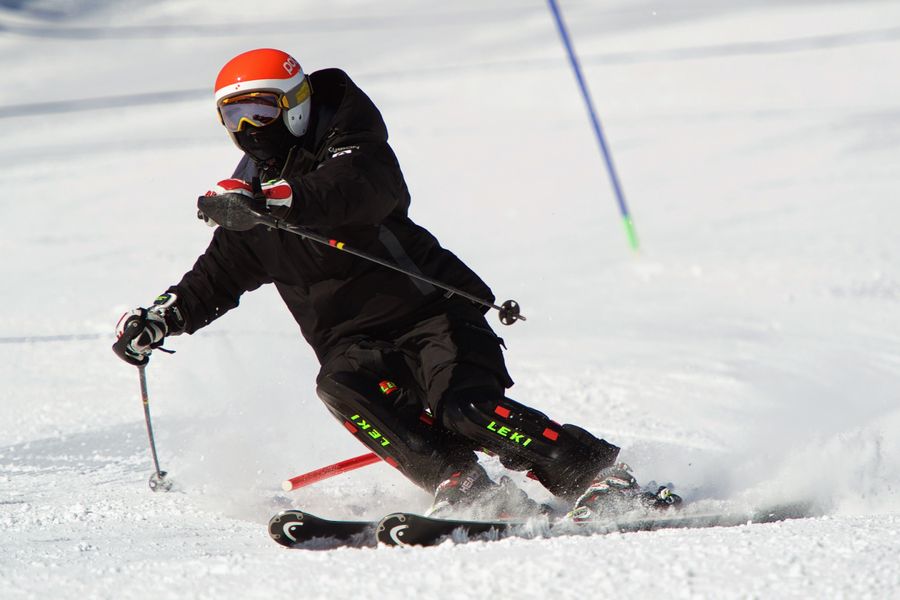 SlalomSlalom is the turniest of all ski races.
 Ski FitnessWe need to be fit to ski - the more performance we're looking for, the more athletic skiing becomes. At the higher levels, skiing is one of the most demanding s
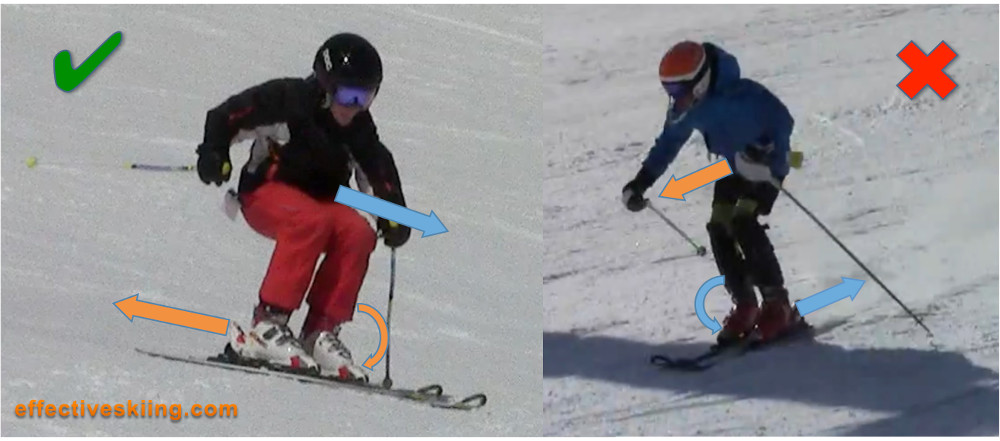 Shin pressureA common cue in skiing is "shin pressure", referring to feeling pressure between the shin and the cuff of the boots - associated with "being forward". AlthoughRetraction releaseThe retraction release is similar to the Flexed release - sometimes seen as an extreme case of the flexed release, where we not only relax the outside leg, but
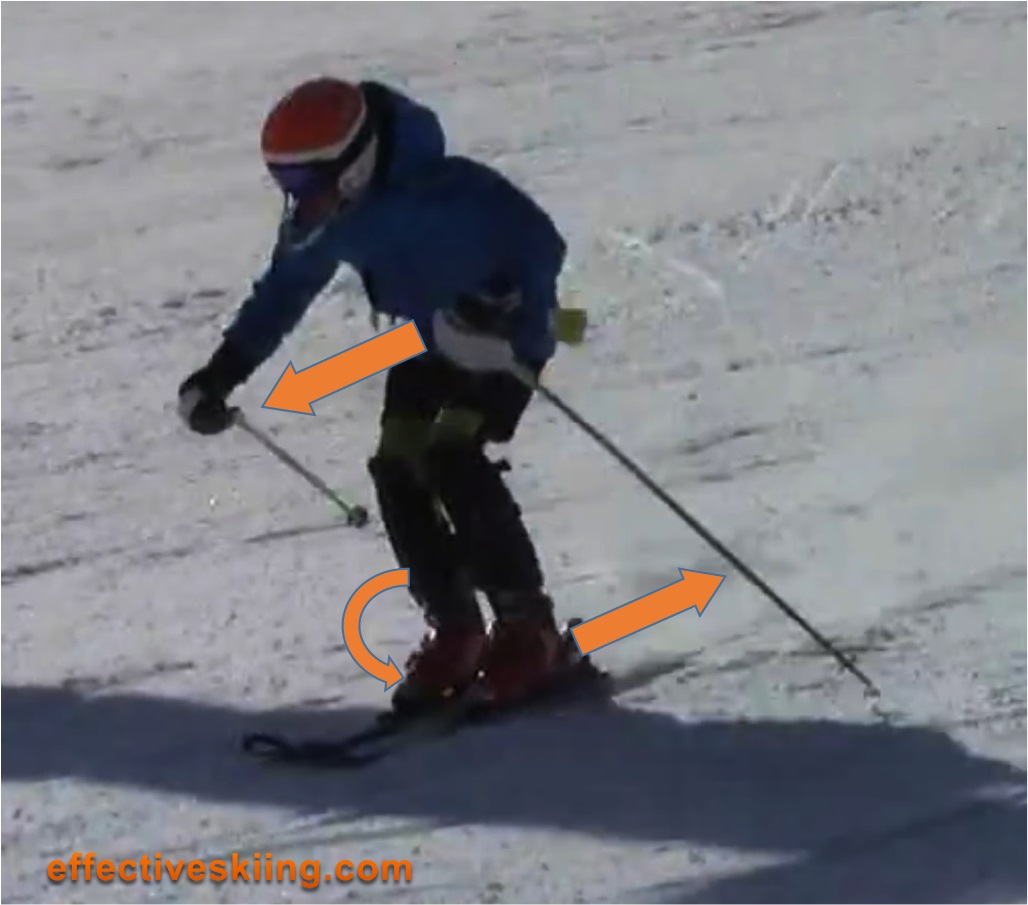 RecenteringAt the end of the turn, the skis tend to "get ahead" of the body and we need to "catch up to them". Recentering refers to getting back forward on the skis, in t
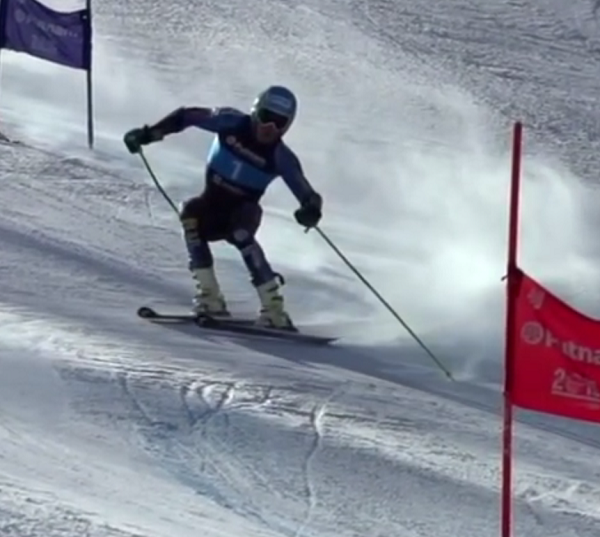 Phases of the turnIn skiing, there are many systems that describe the "perfect" turn, each trying to convey it's own image and message.Park and rideParking and riding refers to a static skiing, where the skier develops all the angles, in the lower and upper body, at the beginning of the turn and then just s
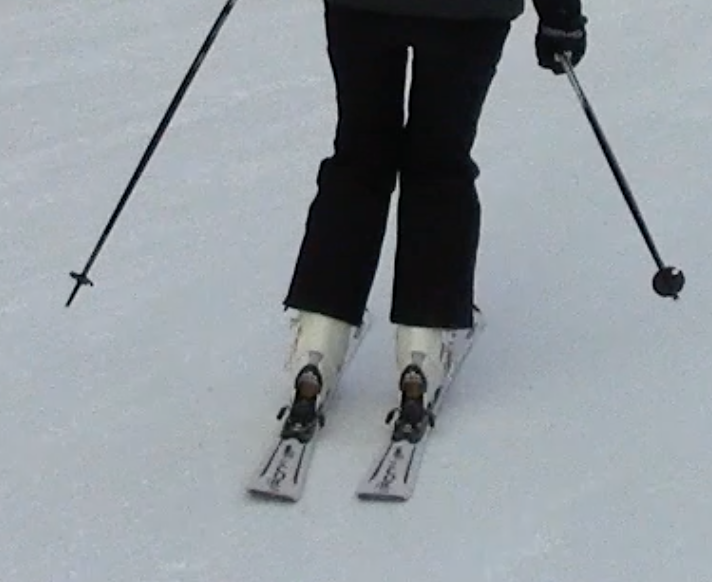 Parallel shinsMaintaining parallel shins is important not only because it looks better than A-frame but because it implies both skis are Tipping tipped at the same angle.OversteeringMovementsMovements are very important for skiing and ski instruction because this is what we do: we move While some talk about skills and other concepts, in the end skieInternal cuesIn contrast to the External cues, the internal cues are those that focus attention within the body, on a body part and how to move it or how it feels. They rely
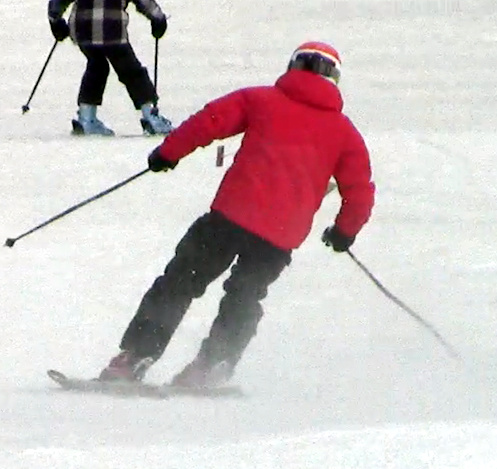 InclinationInclination refers to "inclination of COM" and it really means moving the hips inside the turn as the skis get on edge, and the lower body looks "inclined" intoImpulseOne of the biomechanical principles of skiing^1 (as well as other action sports) is the notion of impulse: an object will continue on its current trajectory, wiHow wide is hip widthThis is one bit of ski instruction that actually means different things to different people. Most would think that the boots should be about one foot apart, i.eHigh-CThe top part of a C-shaped arc, after skis flat to the fall line. Sometimes referred to as the "initiation phase", including some pivoting and steering, but whe
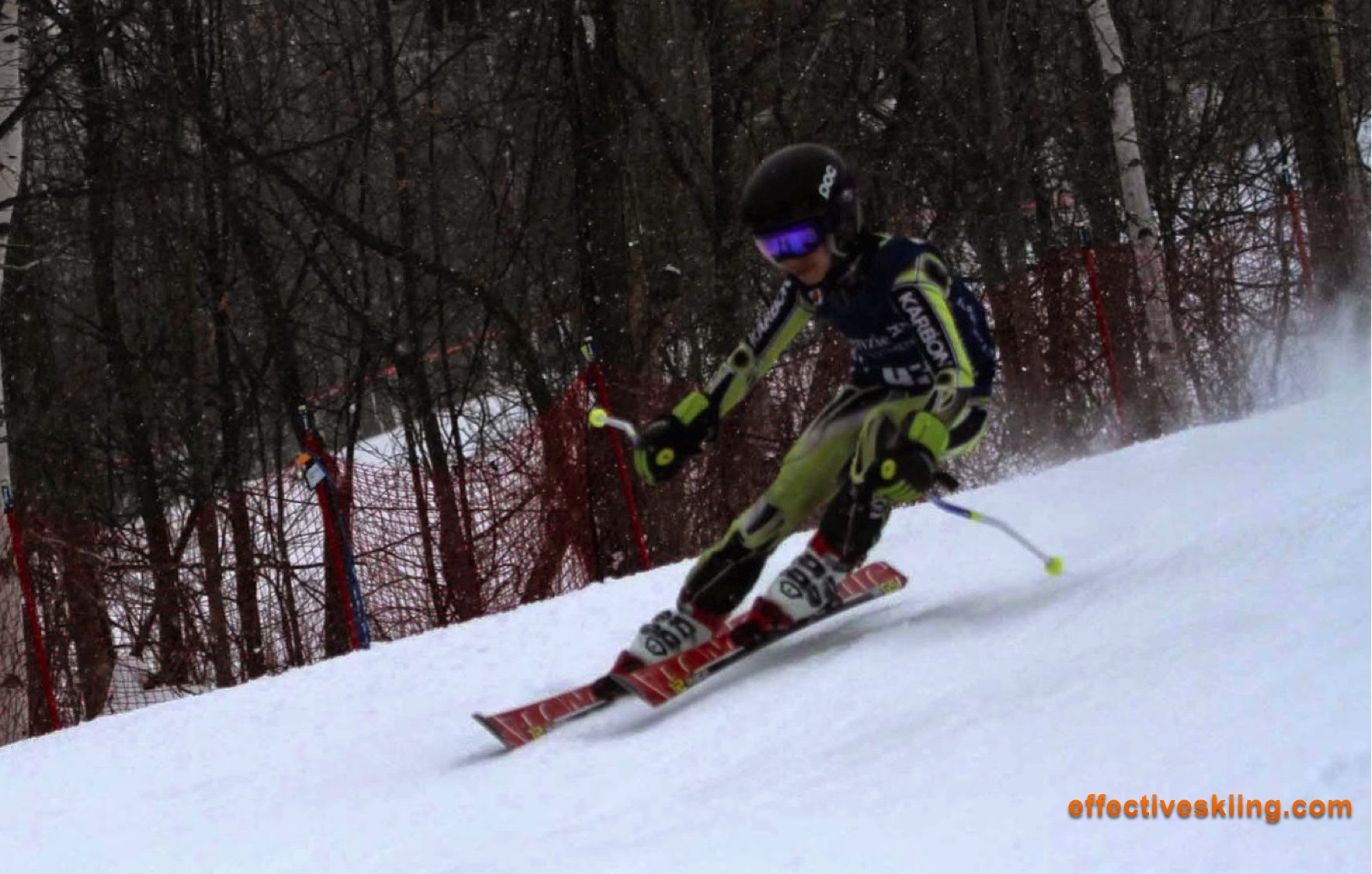 Get over the outside skiThis expression refers to the general need, in high-performance skiing and carving, to get aligned over the outside ski. You may hear this a lot in racing circlFeathering the edgesRefers to an ability for fine-control of the Tipping and edging, to engage the edges more or less and create the desired turn shape, whether carving or not.
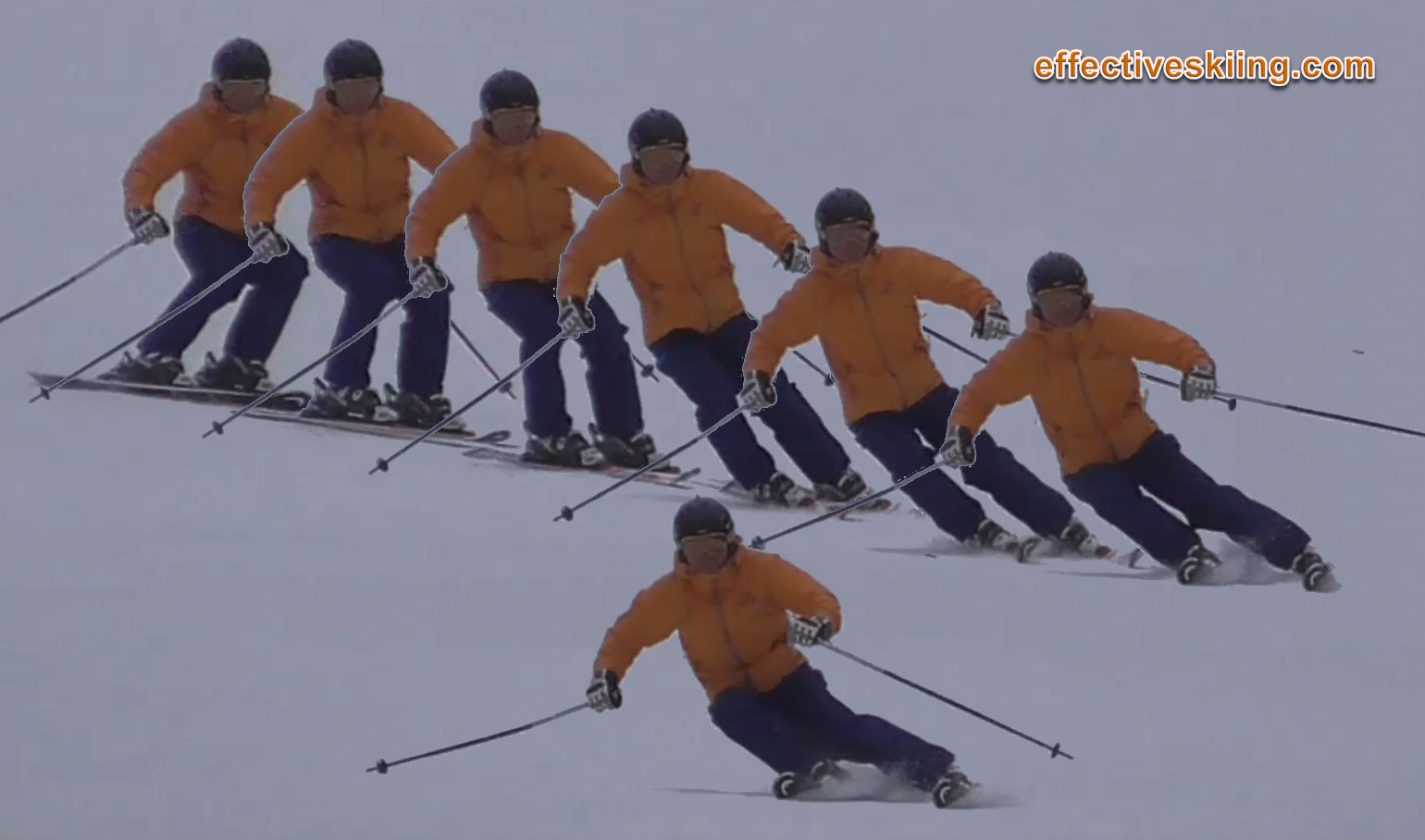 Fall lineThe fall line is a line straight down the hill, pointing towards the direction that a ball would take if let loose. It is used also to denote the middle of theExternal cues vs internal cues in skiingFocusing the attention within the body or away of the body is the difference between using internal cues versus external cues. They each have advantages and disExternal cuesExternal cues are those cues that direct attention outside of the body. You can see them or feel them (e.g. touch the outside boot) or just attempt doing (pushEdge of abilityWe improve at the edge of ability... if you are able to find the limits of your ability and play there, and try to push through, then improvements are much quicEarly releaseThe early Release is really an early transfer, as we transfer to the old inside ski early, while it is still on its uphill edges. This is one of the typical higEEPPTTEEPPTT is the CSCF framework for evaluating and addressing skier performance.Dynamic balanceIn skiing and action sports, Balance is not a static notion, as it would be balancing on top of a ball, but a very much dynamic notion. In fact, we maintain dynDown-unweighting and Up-unweightingTwo very different ways to unweight the skis, defined in terms of how the body's mass is Impulse impulsed: up or down.
 Dorsiflexion and plantarflexionTwo useful movements of the ankle, commonly refered to "opening" and "closing" the ankle:CounterrotationCounterrotation is mis-used quite a bit. It really refers to making the skis turn one way by rotating the upper body the other way^1, as a pivoting mechanism. I
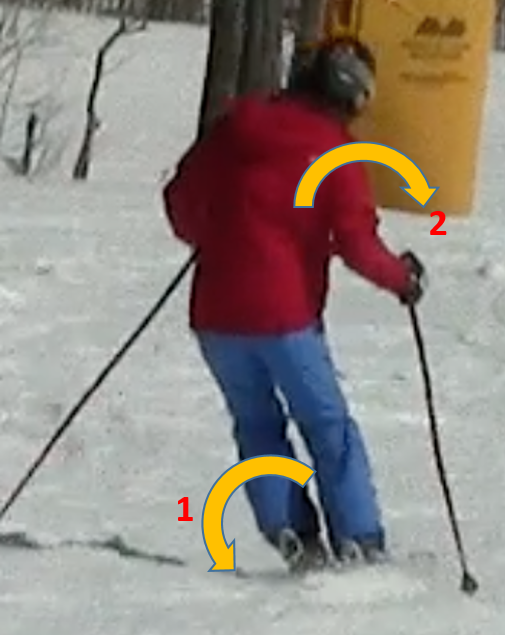 CounterbalancingOne of the Essentials of skiing, counterbalancing (or CB for short) is a specific form of lateral angulation, preferably including the hip, to complement the TiCoilingAmong the few related terms that refer to the rotational Separation of the lower and upper body, like counter and Counteraction, coiling implies a strong rotatiCalm upper bodyOften the phrase "maintain a calm upper body" is thrown about by coaches and instructors and certainly visible in all Expert skiing:Be uncomfortableIf you are trying a new movement or trying to increase a range of movement and you feel comfortable while working on it, you are not achieving much Our brains aAngular momentumIn physics, angular momentum is "the quantity of rotation of a body, which is the product of its moment of inertia and its angular velocity", see Angular momentAction and reactionAction and reaction is a fundamental principle of physics, playing a big role in skiing, in the movements that we do.A-frameA-frame is basically lacking parallel shins throughout most of the turn. The issue is really that the skis are not at the same angle - the inside ski is general