Topics
#technique
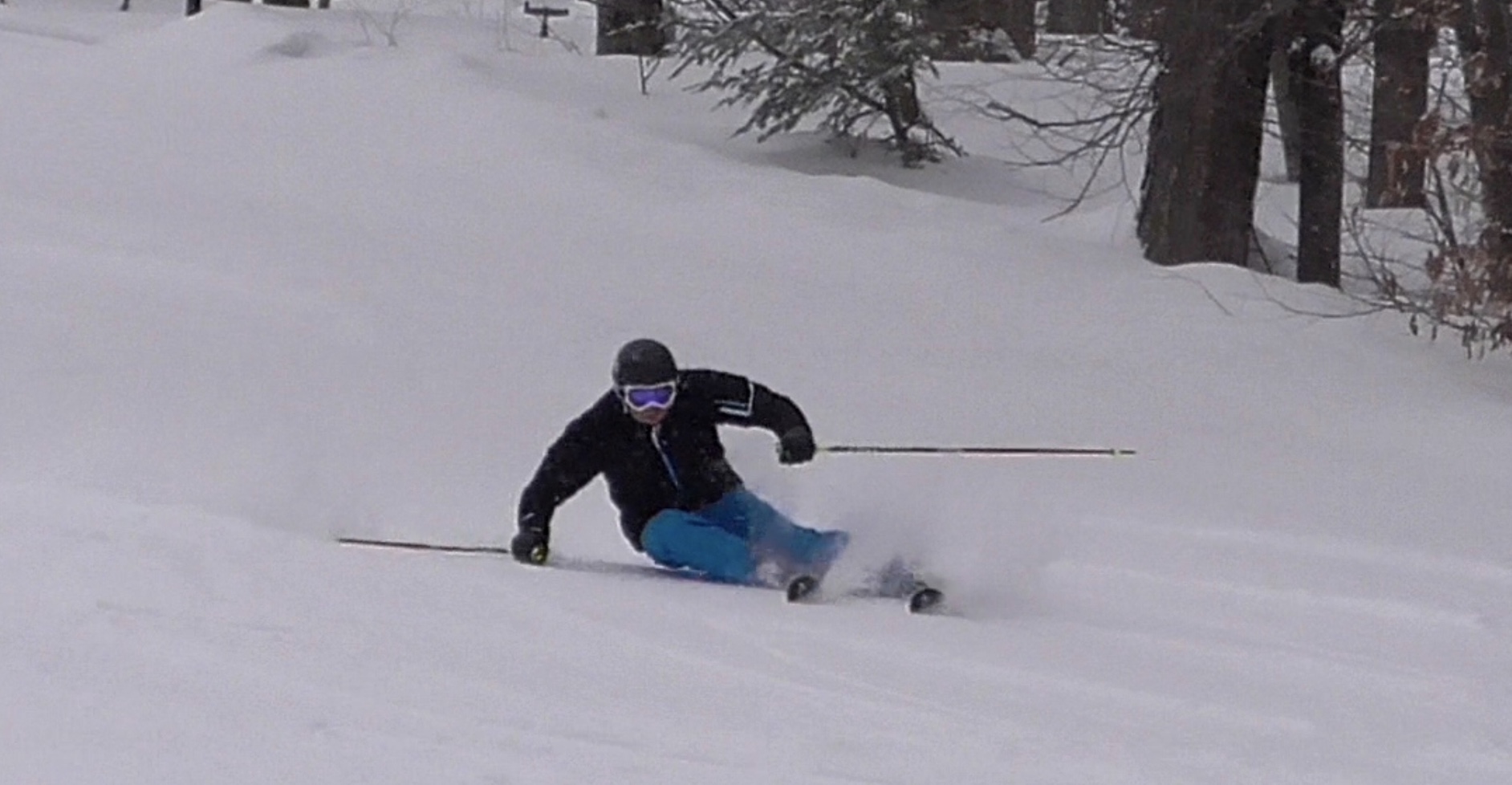 What Does It Take to Ski Like the Best?Article by Greg Rhoads (a.k.a. HeluvaSkier)
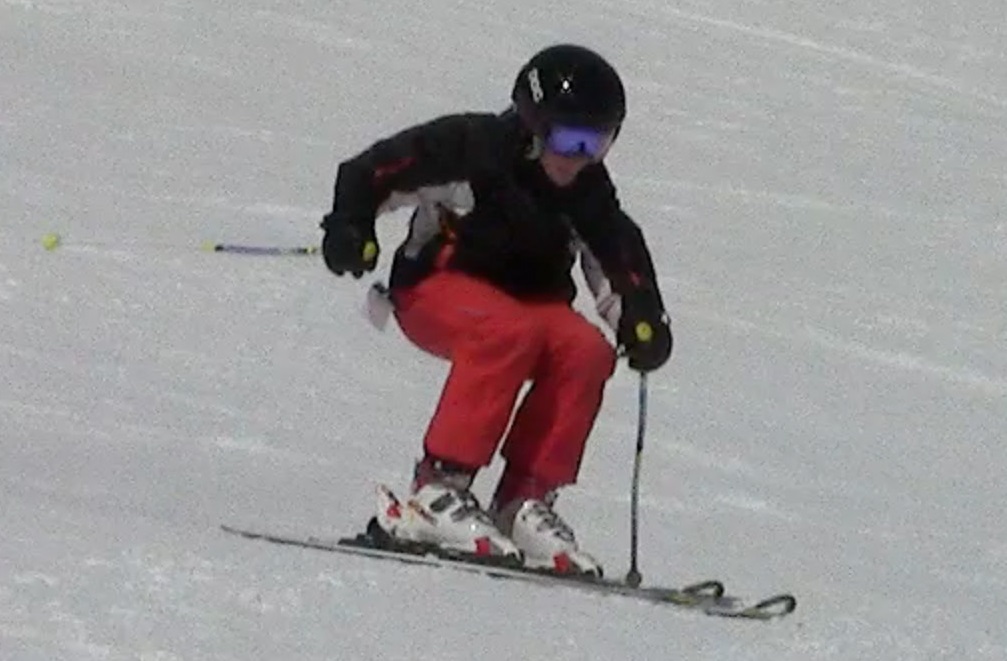 Sitting on a toiletWhat does sitting on a toilet have to do with skiing, you may obviously wonder - unless this is a life skills blog...?
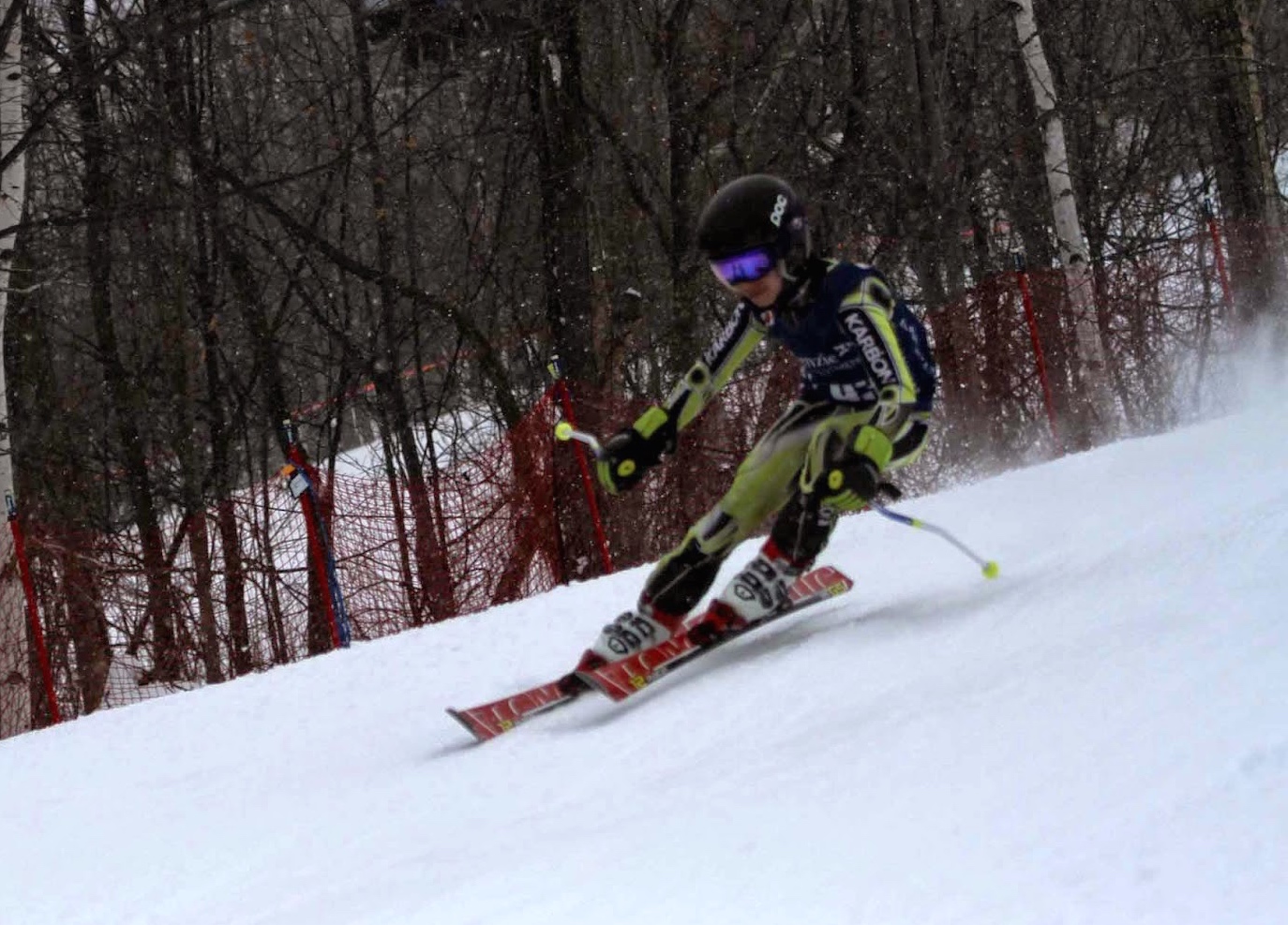 Get on that outside ski"If there is one secret to ski racing and performance skiing of any kind, it is: GET OVER THAT OUTSIDE SKI Let's take a look at all…"
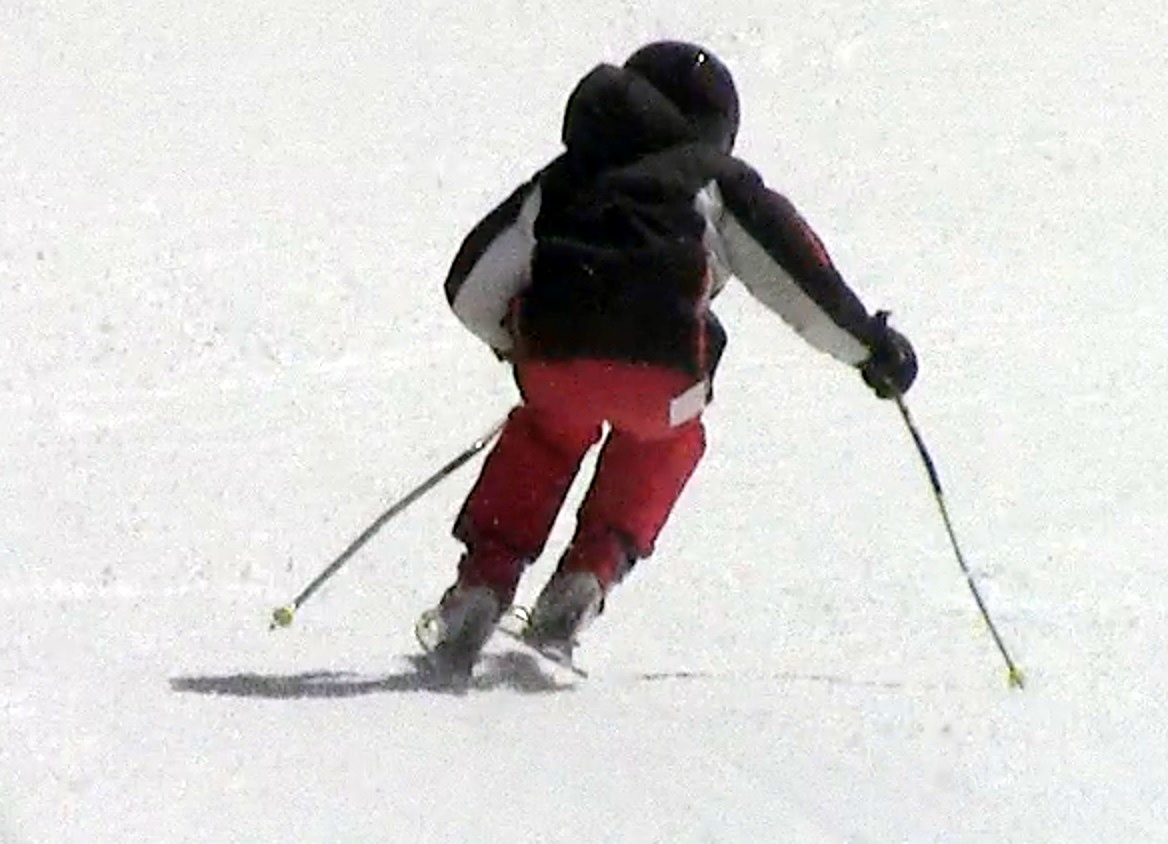 TippingTipping is actively rolling the feet from one side to the other to make the skis roll on edge^8 - the first primary movement in the Essentials framework, direct
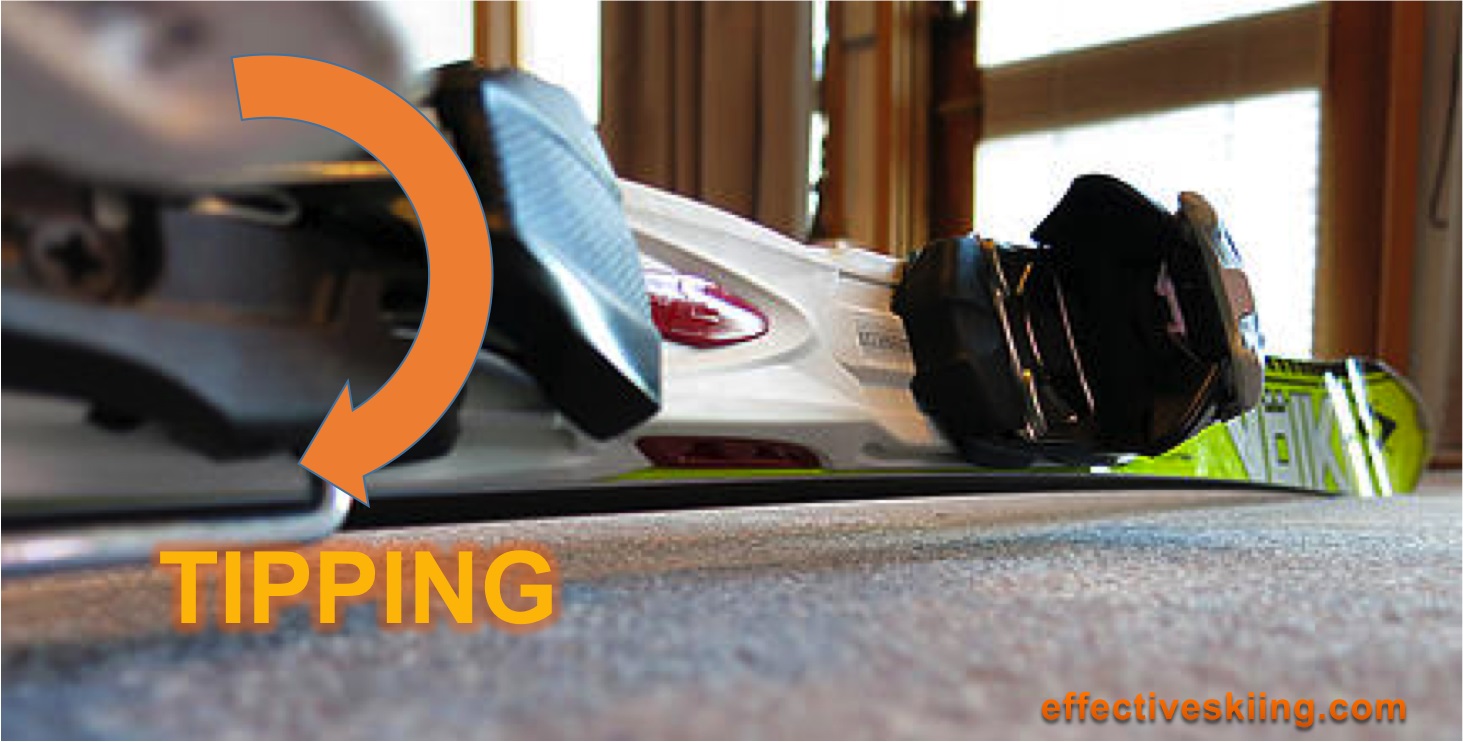 Foot TippingFoot tipping is the action of rolling the skis on edge with the feet. It is the most effective way to make the skis turn, because of the Sidecut and its interac
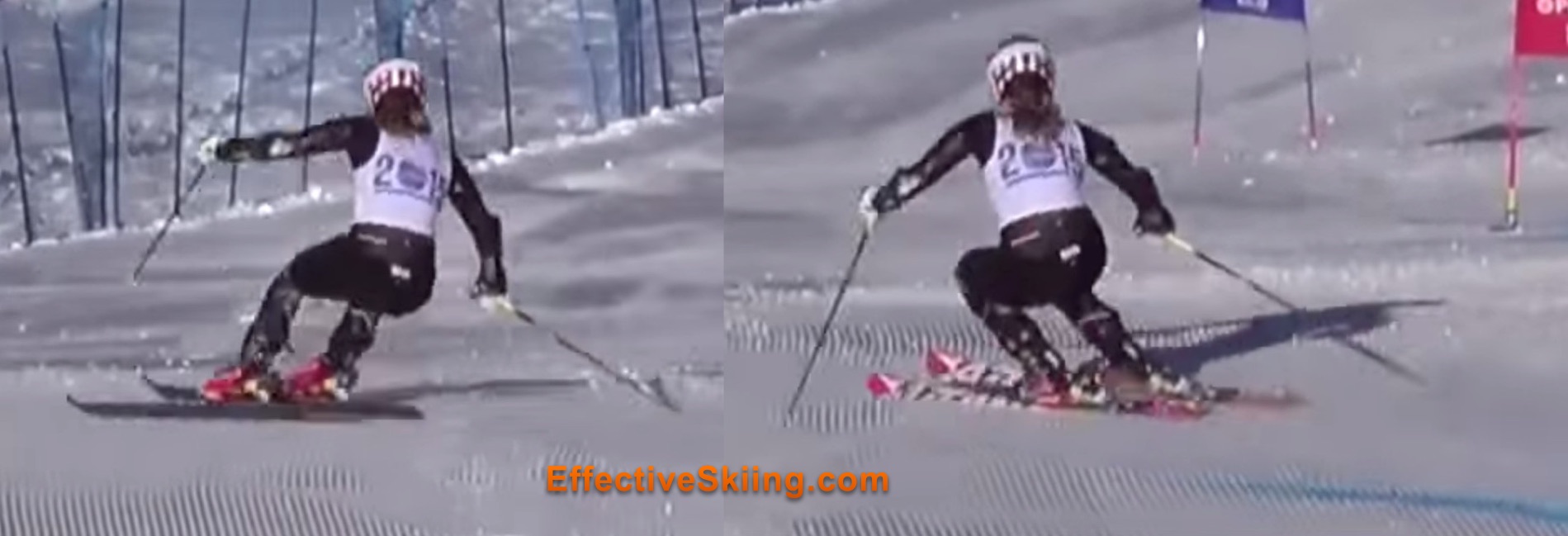 Weight transferWeight transfer is a critical aspect of skiing, simply because we have to transfer weight from one outside ski to another outside ski, as we keep turning acrossThe transition between turns in alpine skiingThe transition in alpine skiing. Types of transitions and how to work on ski transitions.
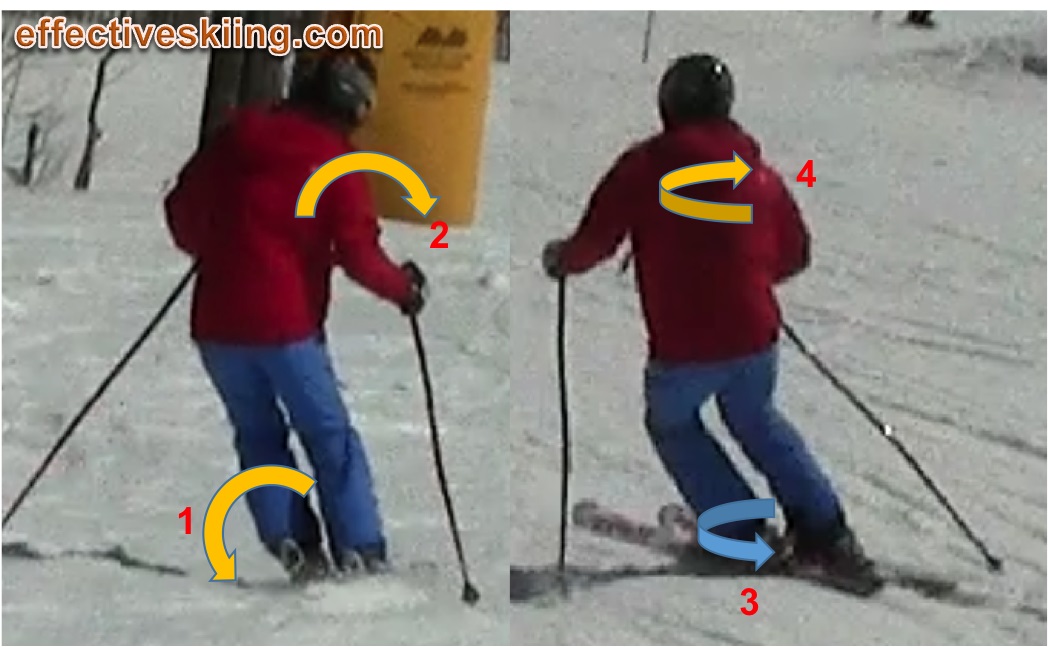 SeparationSeparation is the fundamental principle of skiing: the one of separating the movements and actions of the upper body from the movements and actions of the lower
 PressureApplying pressure to the skis is what causes them to bend and turn and is responsible for great skiing. Avoiding pressure for the most part, on the other hand i
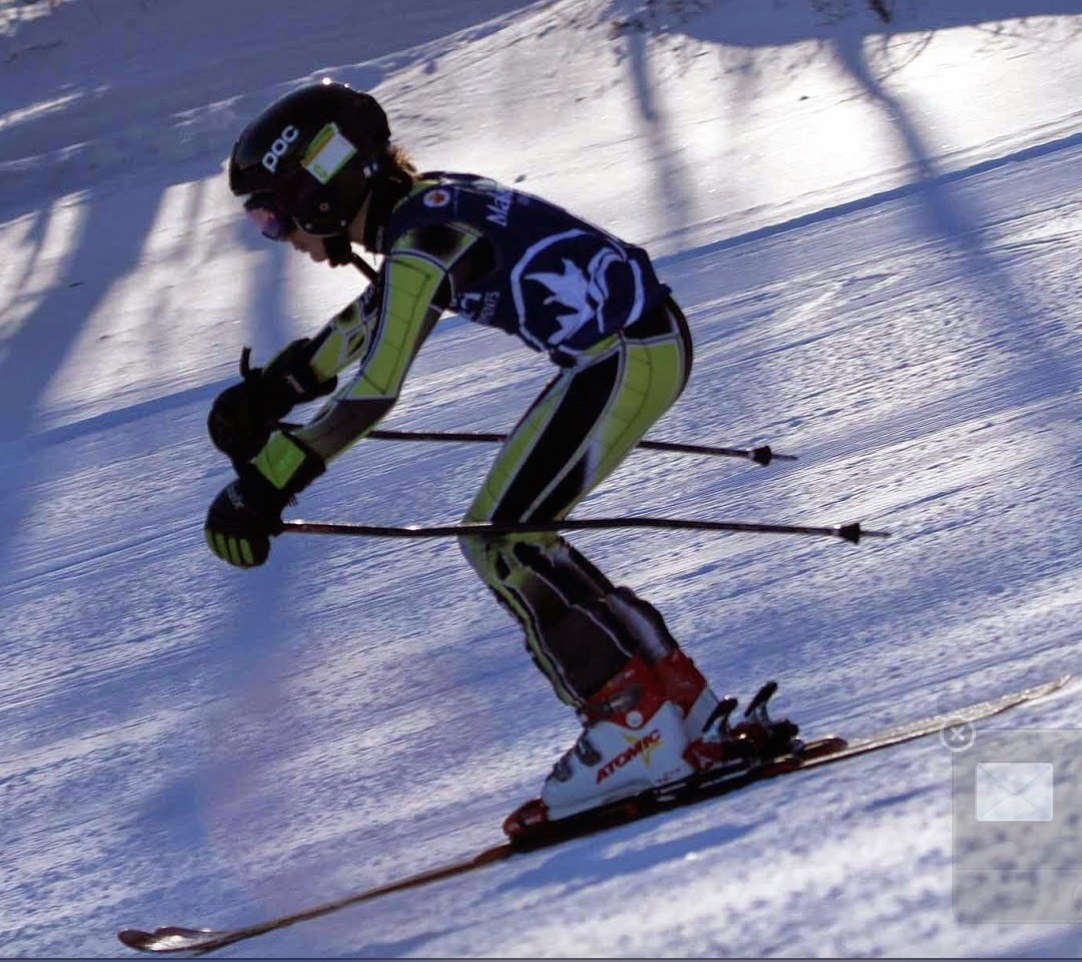 Fore-aftFore/aft balance and control makes for great fluid skiing, in dynamic balance and adaptable to all conditions, with instant line and turn shape control and more
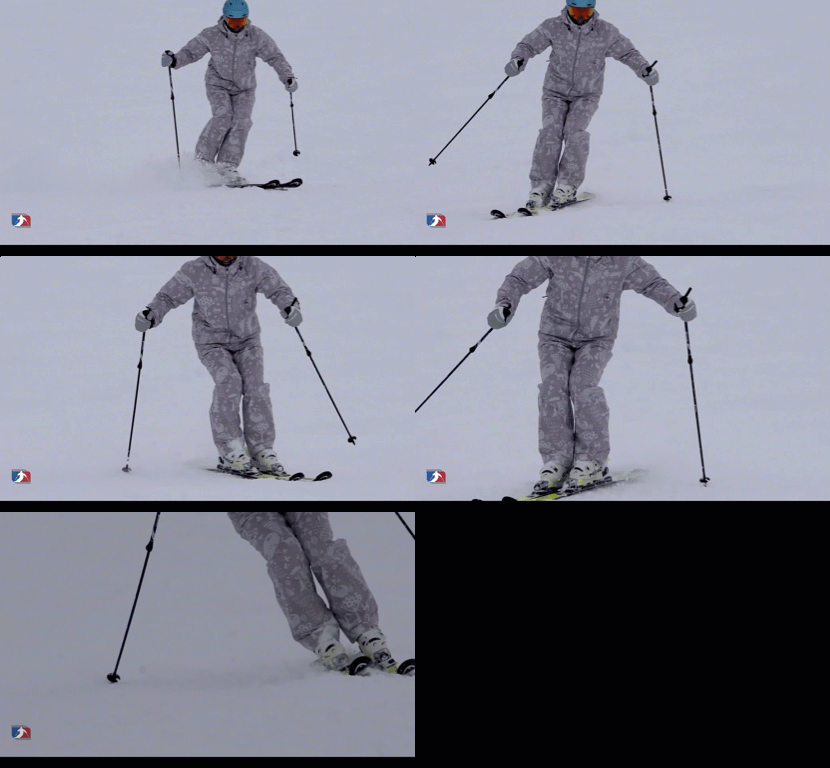 Carving and upper-lower body anchoringTalking about Separation of the upper and lower body, specifically the "rotational separation", a big difference between several approaches to skiing and respec
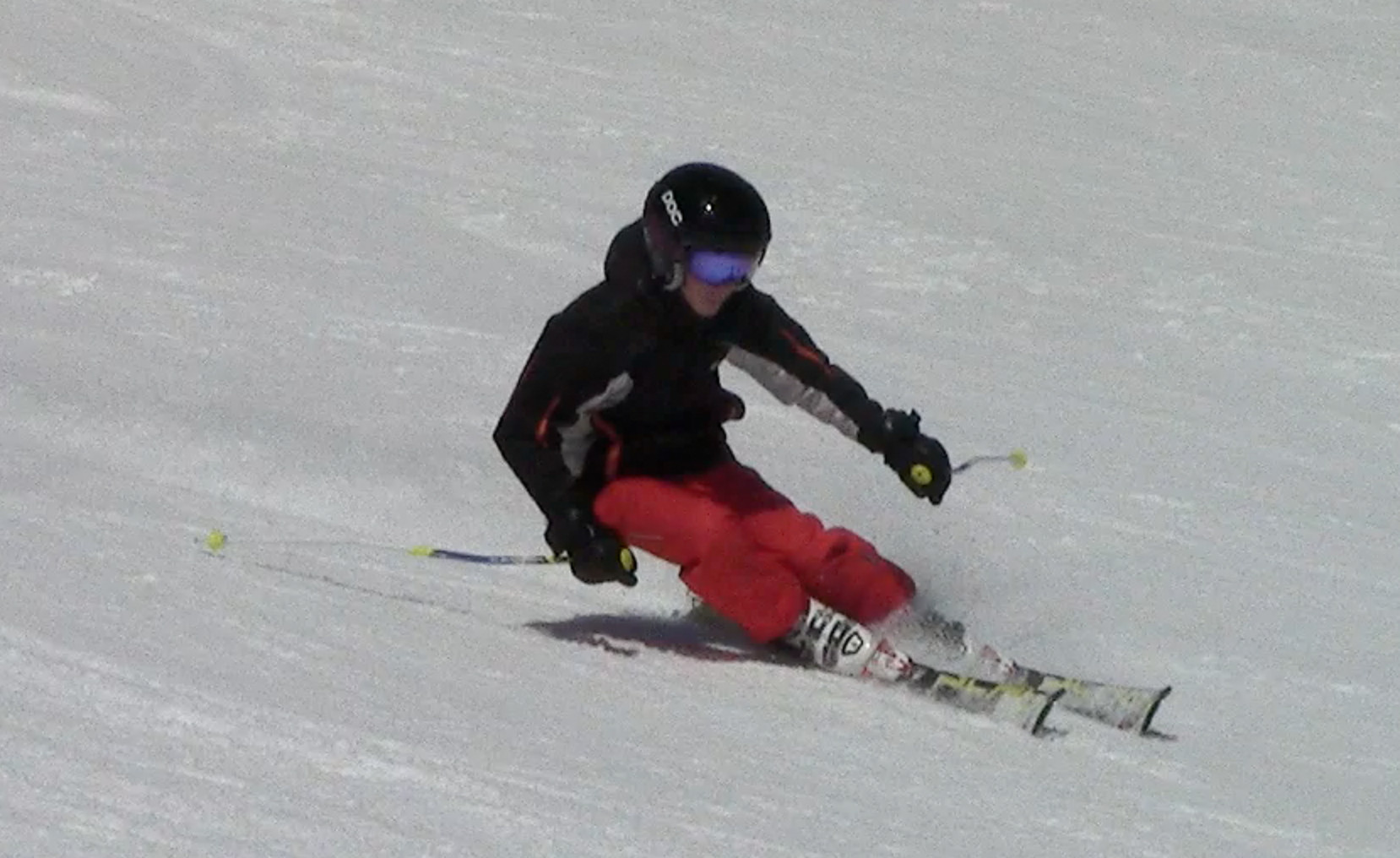 AngulationAngulation refers to the lateral movements of creating angles at the ankles, knees, hips and spine^1, but it is commonly used to reference hip angulation. Its p
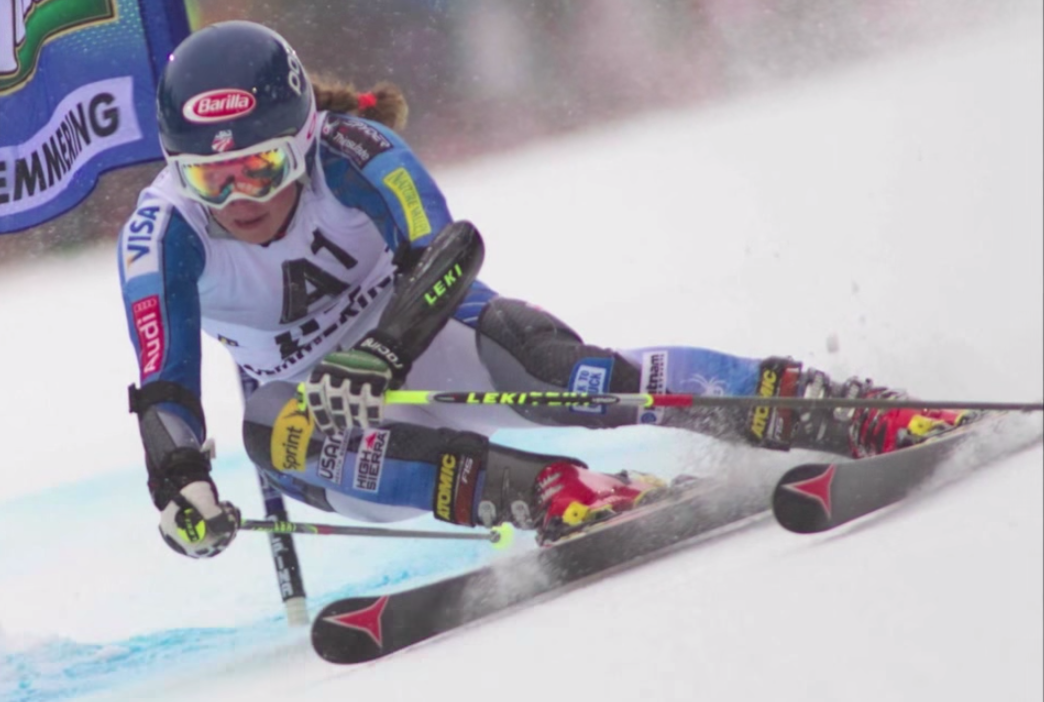 Tip leadThe inside ski tends to get forward through the turn and end a little forward of the other one - also referred to as lead change as the new inside ski takes the
 Quick ski technique improvementWhile we avoid the "ski tip" approach and instead would ask you to go through the full progression, here's a preview, a quick thing that you can do today, to imClick your heelsHere's an advanced drill that I believe is quite effective at removing the dreaded shuffle, the dreaded Hip dump, A-frames and other bad habits like an extra wiBalance workout sessionBalance is the most important of the skills for great skiing and perhaps the least purposefully practiced on a daily basis, since coaches tend to get caught upExpert Skiing BlogLearn ski racing and ski technique. Articles about coaching, drills, ski tuning, learning how to ski; reviews of books and ski DVDs.Bending the skisLet's take an in-depth look at bending the skis, the why and the how of the bending and how that is useful.Skiing on lightbulbsLet's bring focus again on one of the fundamentals of expert carving: Early pressure... or in fact lack thereof and give you some ideas to work on that.The PenguinHere's a really cool advanced drill to help increase the ski edge angles that is often called "the Penguin".
 Inefficient mental modelsSince we're talking about mental models for alpine ski racing, let's take a look at some of the most common inefficient models, thoughts and ideas. By now, you
 What is effective skiingWith over 400 talks, drills, sessions and topics on great skiing, this website was born from our desire to filter, organize and bring to you the best bits of skWe ski with the feet and anklesMy Tipping in balance post triggered some controversy as to do we Tipping tip the skis on edge from the ankles or the knees (i.e. knee angulation). This is indeTo pivot or not to pivotThere's a lot of discussion around pivoting, steering and around the technique of the stivot or the stivie sometimes seen on the World Cup, which Ted Ligety exp
 The finest points of ski techniqueThe next installment of GS ski technique analysis started with The techniques of the Giant Slalom turn analysis of a GS turn and The fine points of ski techniquSteeringSteering a turn means many things to many skiers and you will likely hear it used in many contexts, but generally, steering refers to making an active effort to
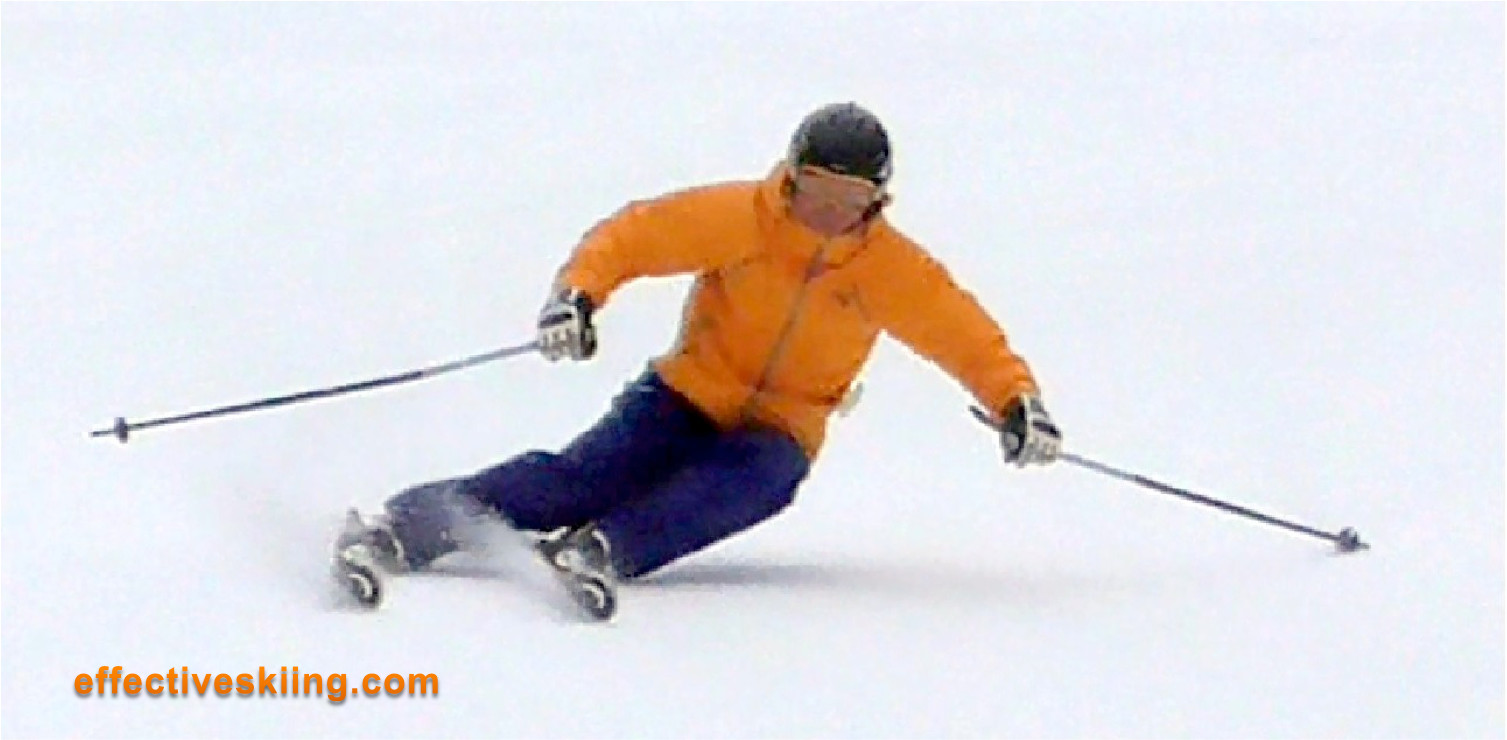 Speed controlSpeed control is the name of the game in skiing It is one of the basic skills and the confidence generator. High or low performance, speed must be controlled an
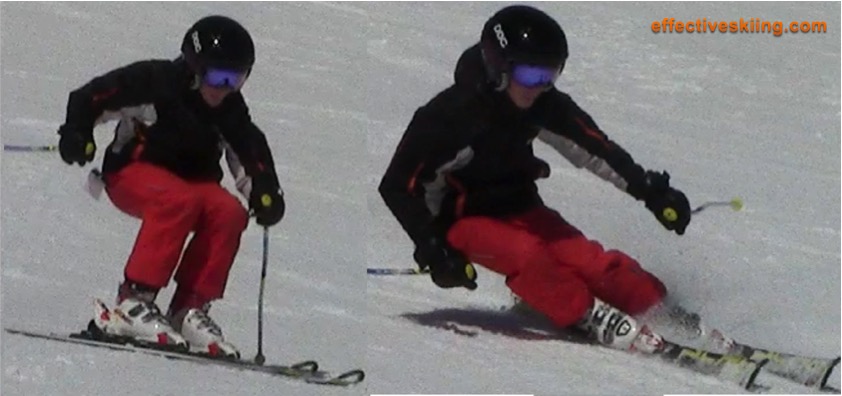 Skiing - the wide stance debuggedA wide stance on skis is less mobile while a narrow stance is less stable - or is it? Which ski stance to use when - read below.
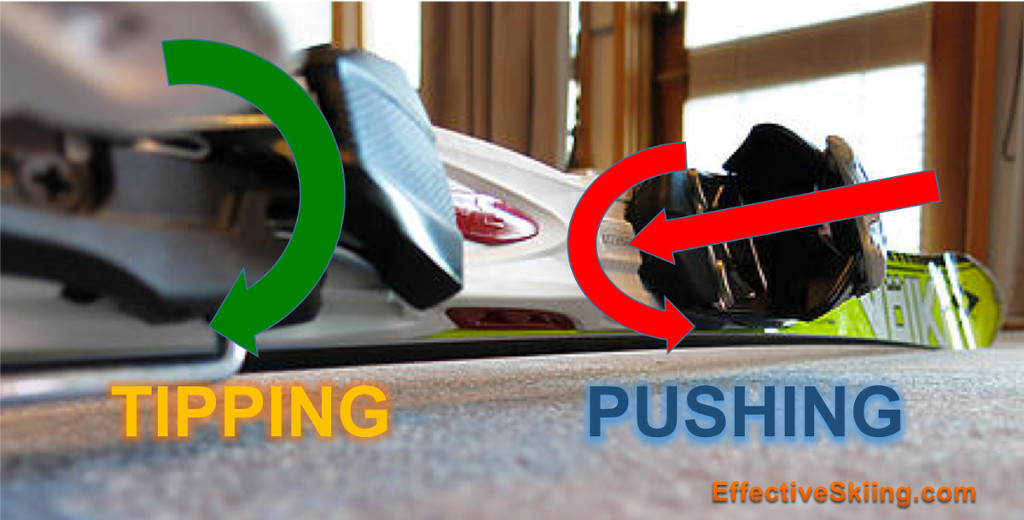 Resisting the pressurePart of the Projected productions - How to Ski series, "Resistance" is an episode from JF Beaulieu, on resisting the pressure building up underfoot, so that you
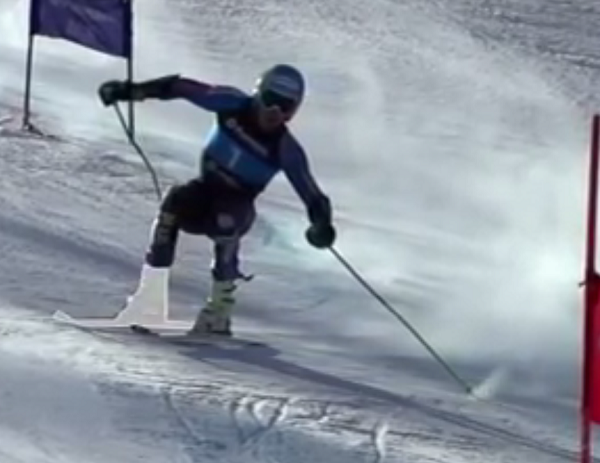 ReleaseThe release and transfer are arguably the most important parts of the turn - as they will set up all the elements for the next turn as well. The purpose of the
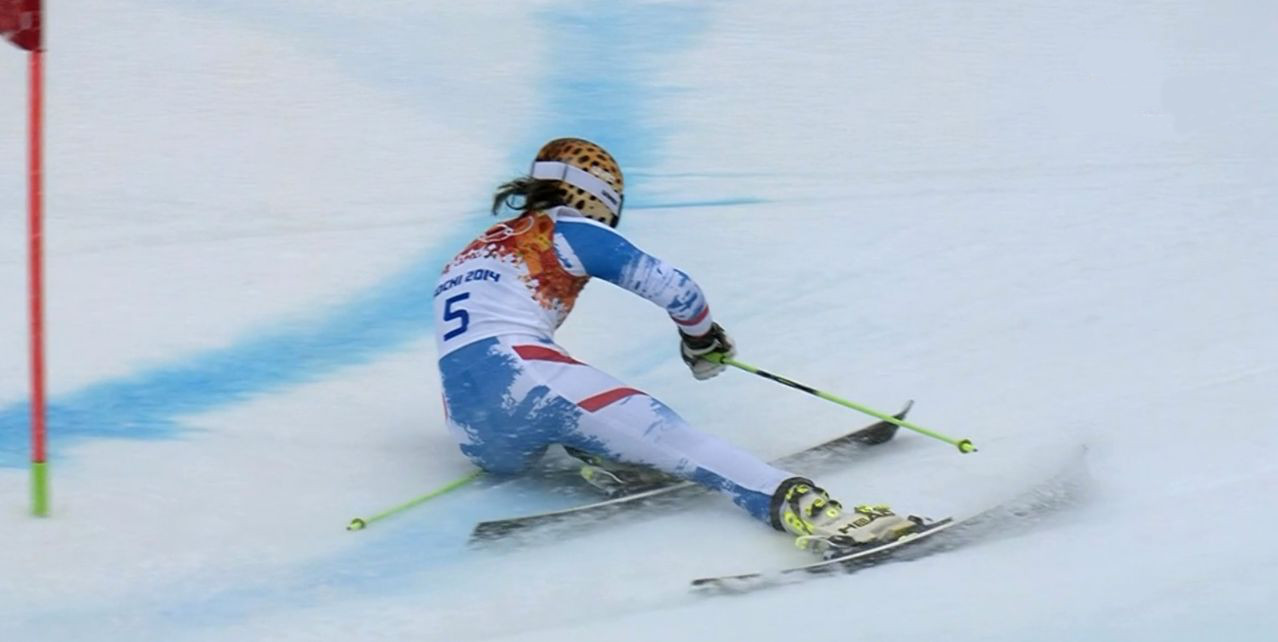 Pushing the outside ski forwardI hear this coaching cue every now and then and we should take a few minutes and think about it, because it may not help create the best mental models for your
 No such thing as an athletic stance in skiingYup - guaranteed to make you look - this assertion goes against a lot of current thinking in ski coaching and ski racing, doesn't it: how can you not think skii
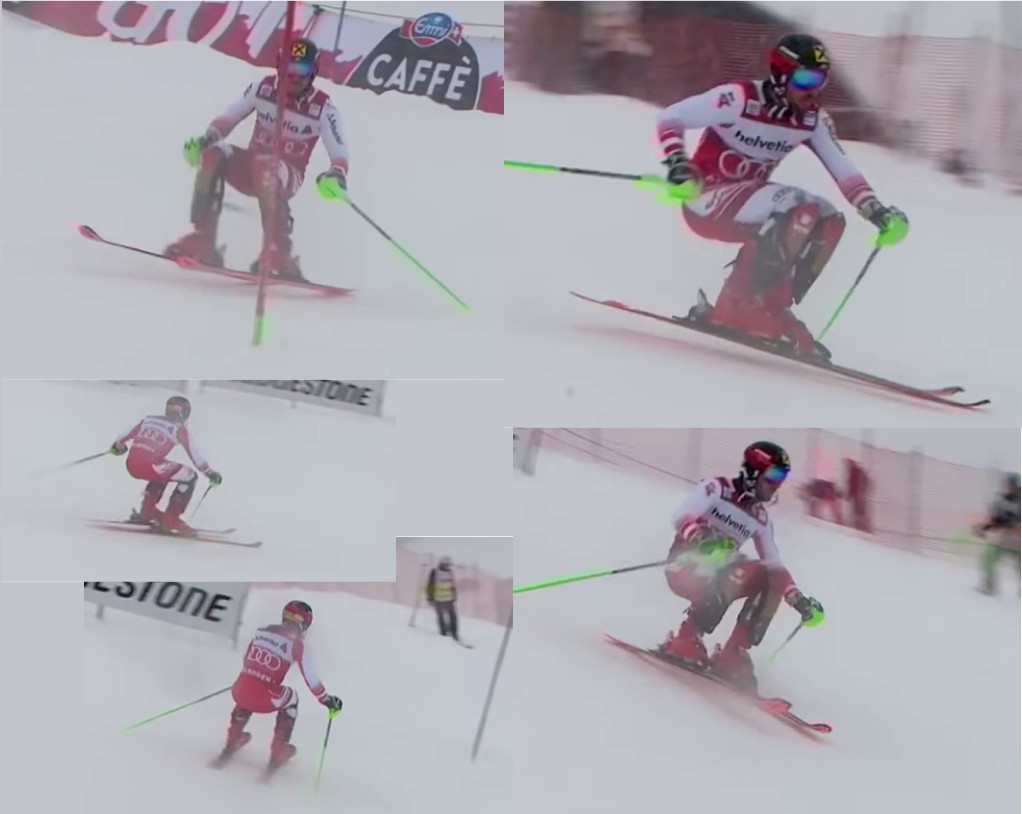 Low in transitionIt seems that some skiers and even pros don't really understand the essence of modern ski technique and can't see what is going on at the highest levels of the
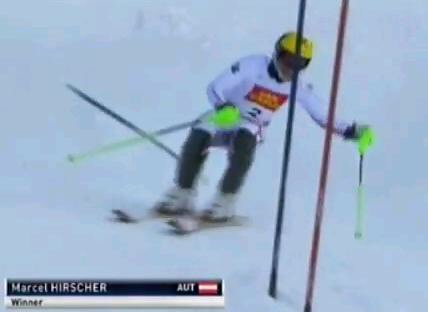 Low and forwardExpert skiing can be a little counter-intuitive. Expert skiers are not just "regular skiers that carve better" but they usually ski with different movements. On
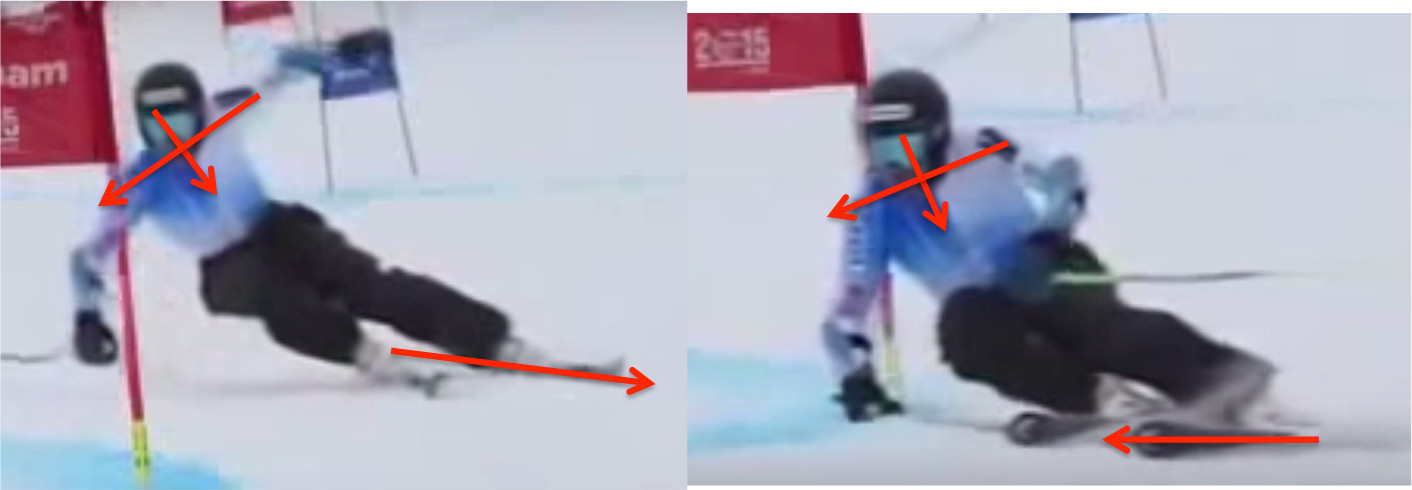 How much counter is goodLet's take a look at some common cues for how much counter (Coiling or Counteraction) is good and how much is too much.
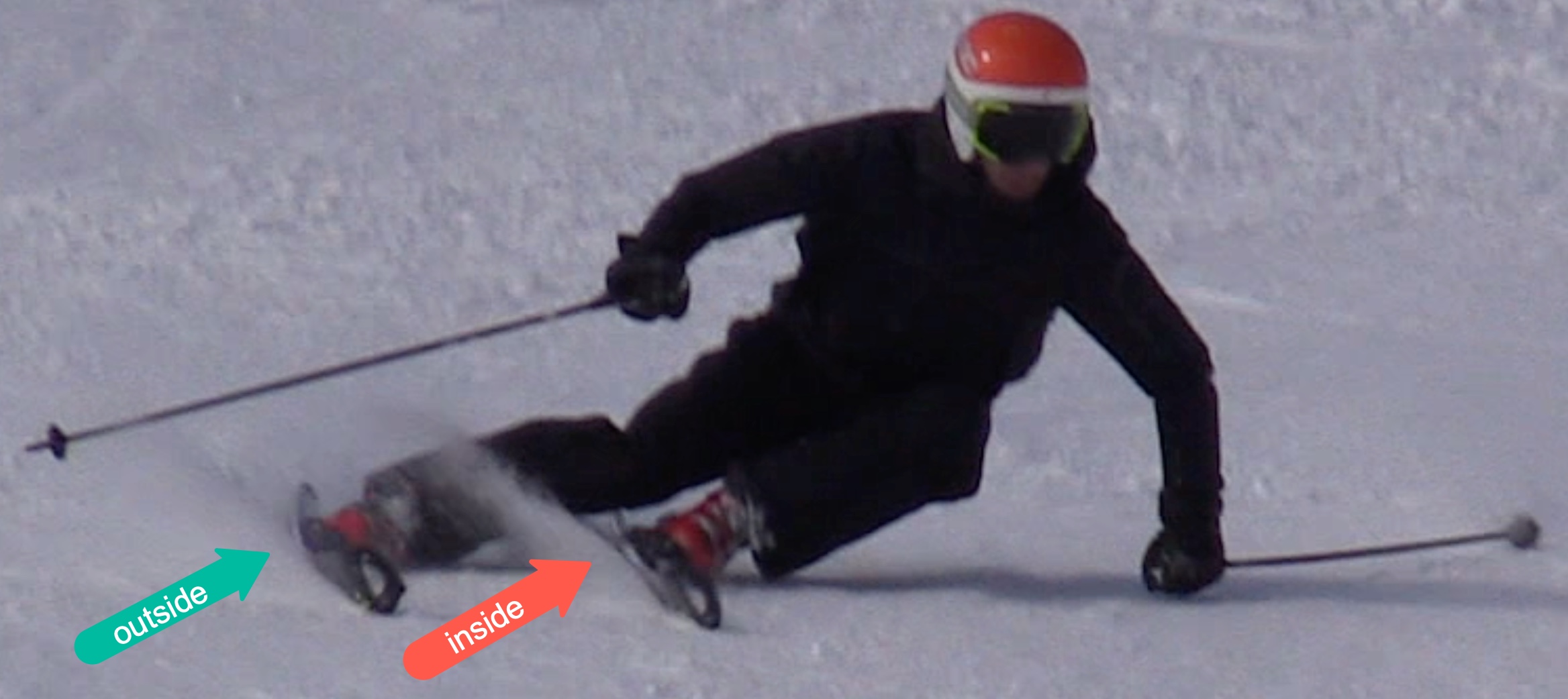 Focusing on the Inside SkiHere's a more complete review of how important the inside ski is for performance skiing.
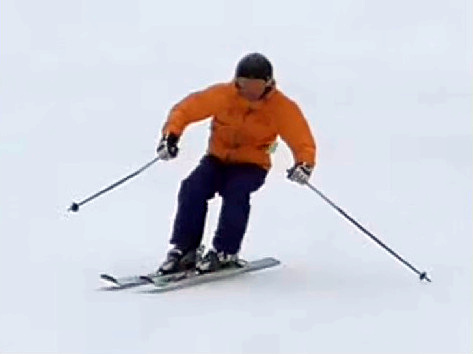 FloatingIn high performance skiing, there is a state of "floating" between turns. The energies from the turn can be harnessed to create a state of weightlessness, where
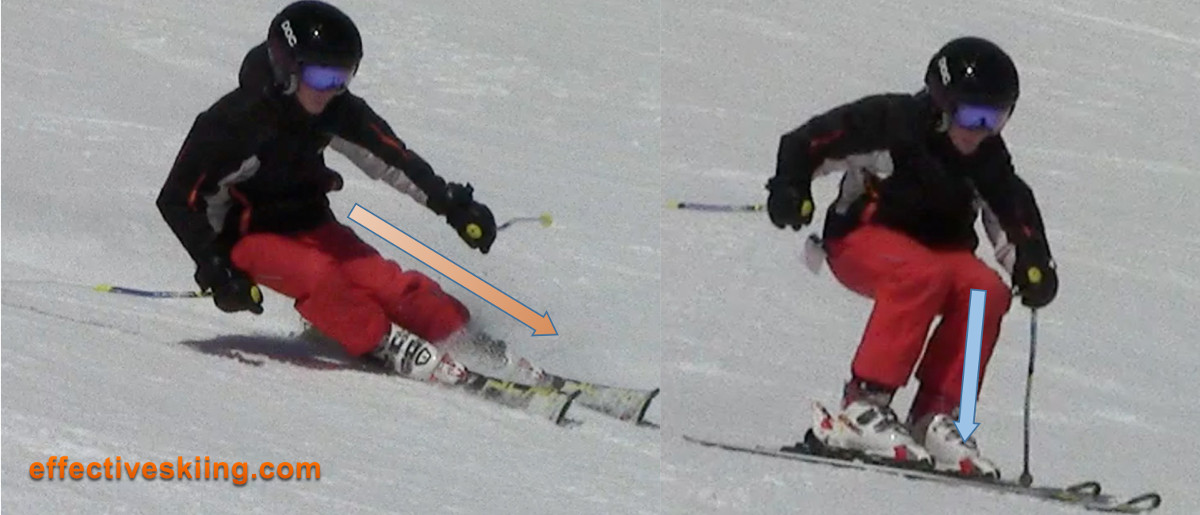 FlexingFlexing and extending of joints is what enables us to move and stay in balance. The most important flexing is that of the ankles, knees and hips, all fundamentaFlexed releaseFlexing and shortening the outside leg in order to release the ski, also referred to as "flexion release", "flex to release", "retraction" or "down-unweighting"Extension kills tippingIn the bucket of most misunderstood concepts of high-performance skiing, extension and pushing are right up there... let's clear some aspects surrounding these
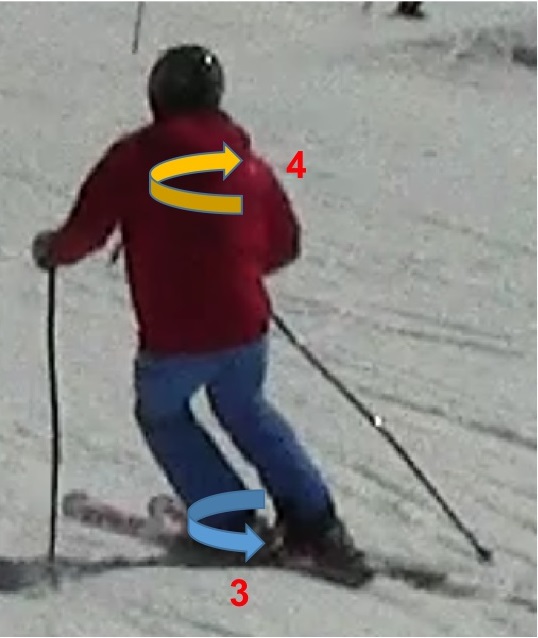 CounteractionWhile the skis are turning because of the other movements and interaction with the snow, counteracting is the active rotation of the torso contrary to the way t
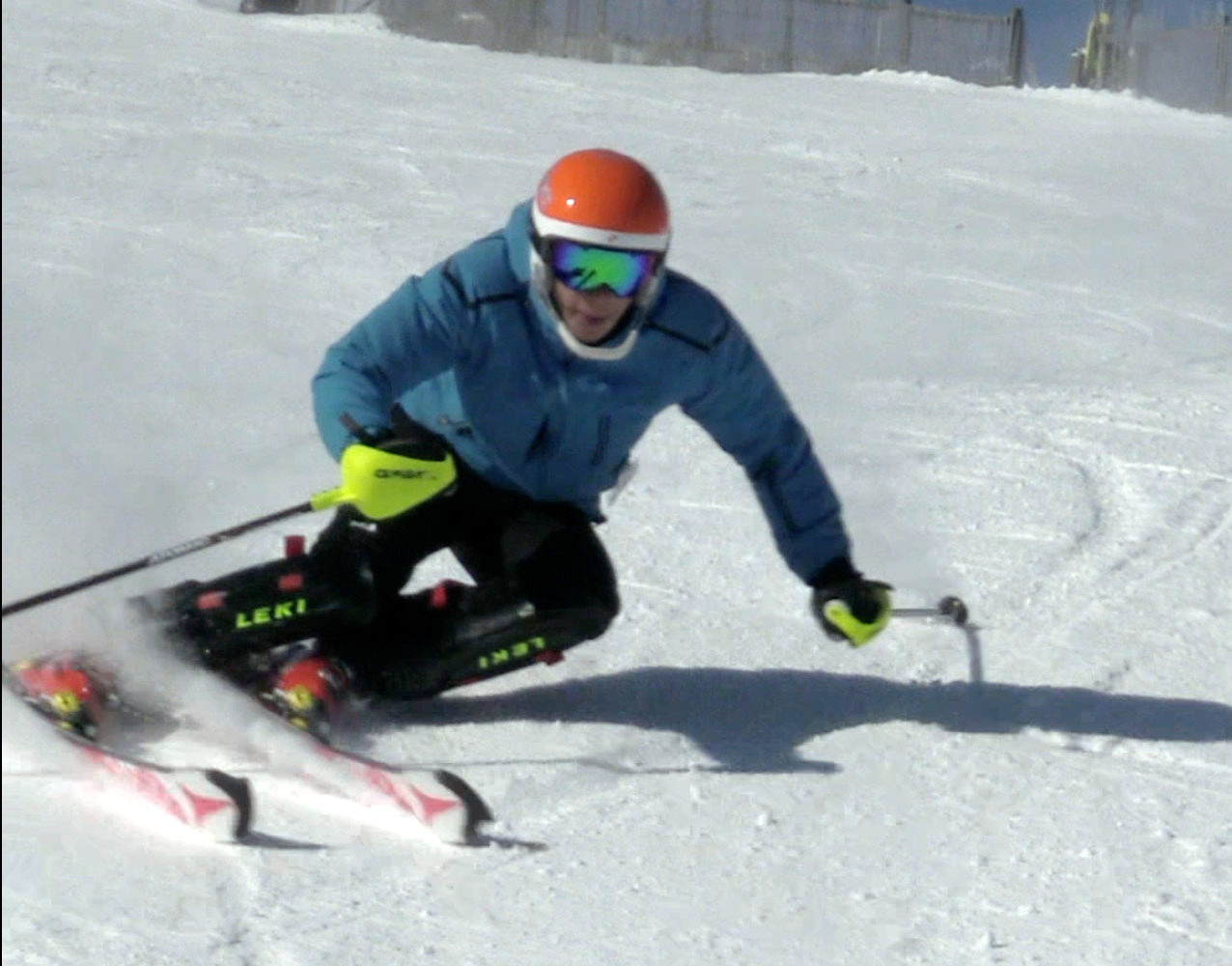 CarvingLearn what carving is and how to carve the skis.
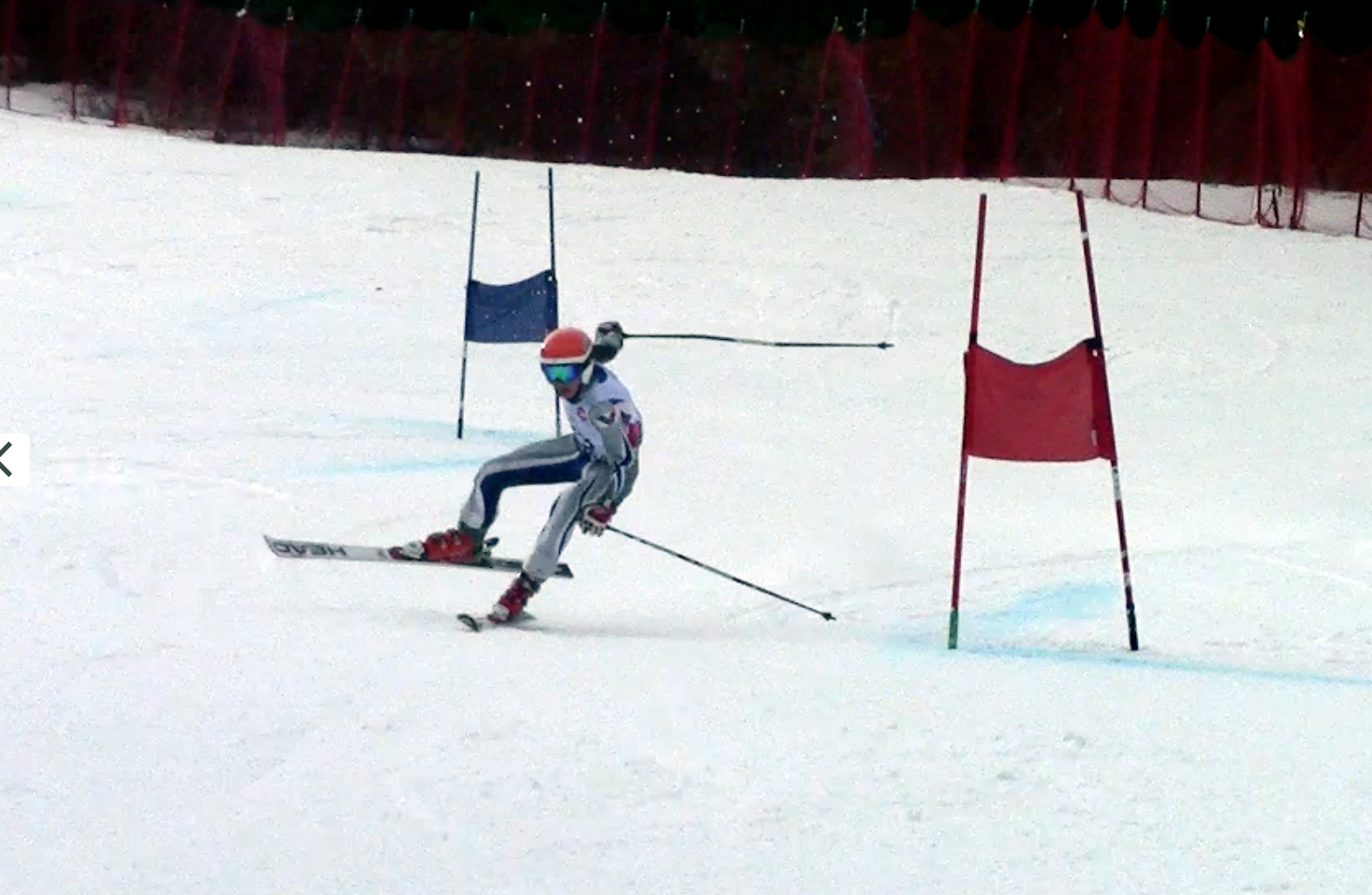 BalanceA sense of balance must be developed above all other skills, for great skiing to be possible. In dynamic skiing however, we talk about stability with mobility,AlignmentTo stay in balance, we need to be aligned with (or against) the forces acting on our body. This continuously requires movements like Counterbalancing and CoilinTypes of turns and tacticsSure, there's carving your skis and then if you can't, there's steering the skis around the turn, but is that all there is? As we think about this and break it
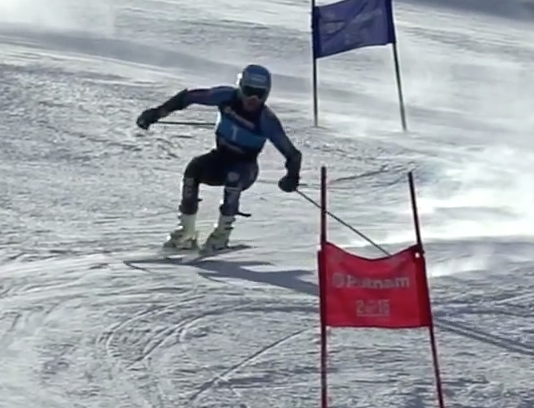 To float or not to floatWhen we look at high level skiers and racers, we tend to see a very light and low transition, a state of "floating" between turns.:Tipping in balanceWe don't turn the skis... rather, we make the skis turn, by tipping them on edge while staying in balance.The transitions of Giant SlalomNothing is more important than the way you finish and the way you start the turn.The techniques of the Giant Slalom turnIt's best to put all that technical talk in perspective and see how it all comes together in a proper ski turn. Some of the basic technique elements include FleThe fine points of ski techniqueGoing back to my The techniques of the Giant Slalom turn analysis of a GS turn, I left out some of the finer or more advanced points of ski technique and just fThe 100 Dollars Attention BudgetKeith Code in the awesome book A Twist of the Wrist talks about the attention span and how important it is to avoid spending your attention on things that are i
 Ted and the Inside SkiI had a few questions on the Focusing on the Inside Ski post, so here is some help with visuals for the topics covered there. I found some awesome frames of oneStance and balanceEstablishing a dynamic stance and balancing on the outside ski are fundamental skills for skiing anything anywhere. Here is a coaching plan for that.Soft skills versus hard skills and becoming a better skierIn the awesome training book The Little Book of Talent, the notions of hard skills versus soft skills are contrasted.Rolling the ankles and good skiinghttps://forum.pugski.com/posts/140133/
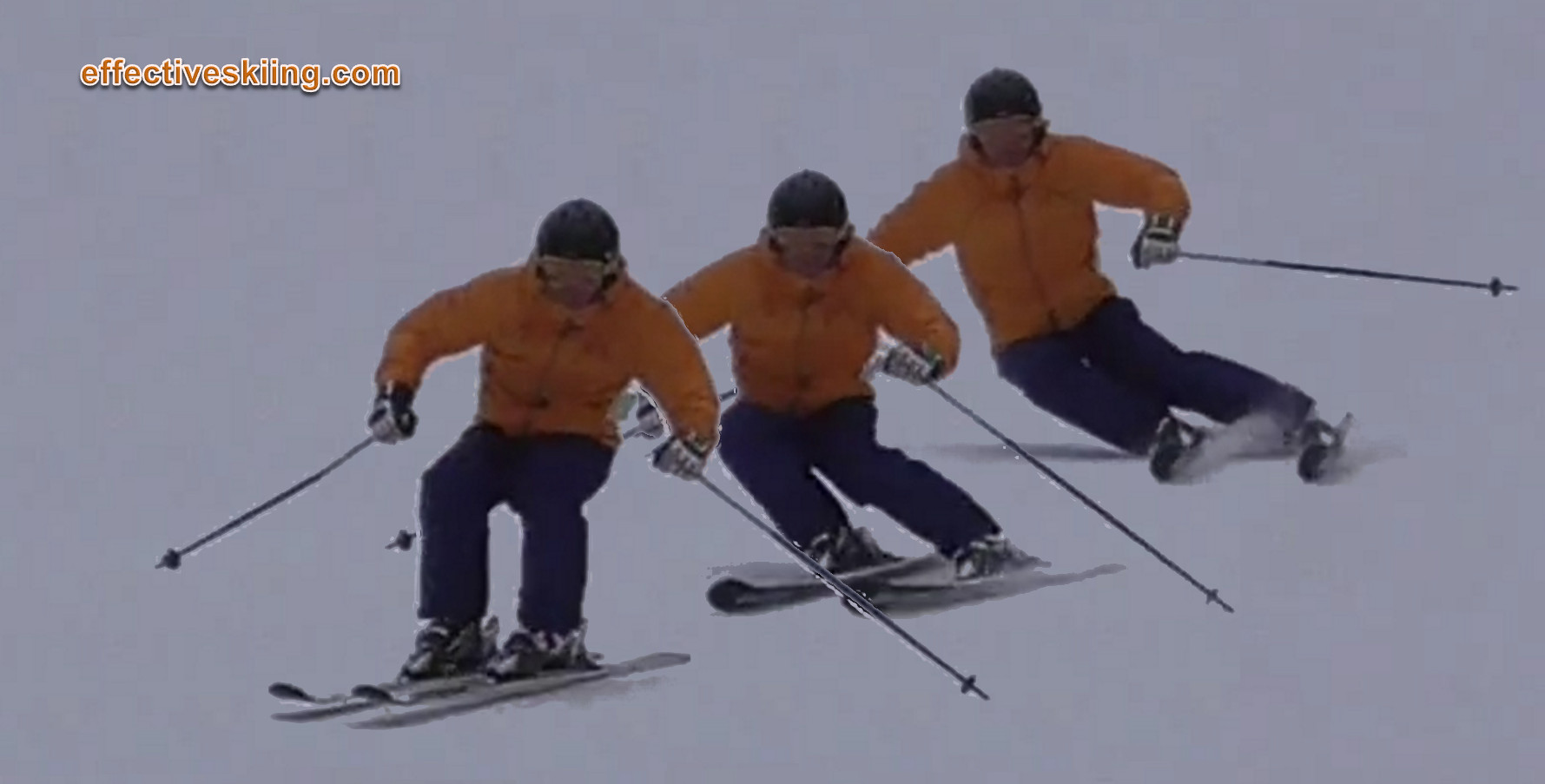 Retraction releaseThe retraction release is similar to the Flexed release - sometimes seen as an extreme case of the flexed release, where we not only relax the outside leg, but
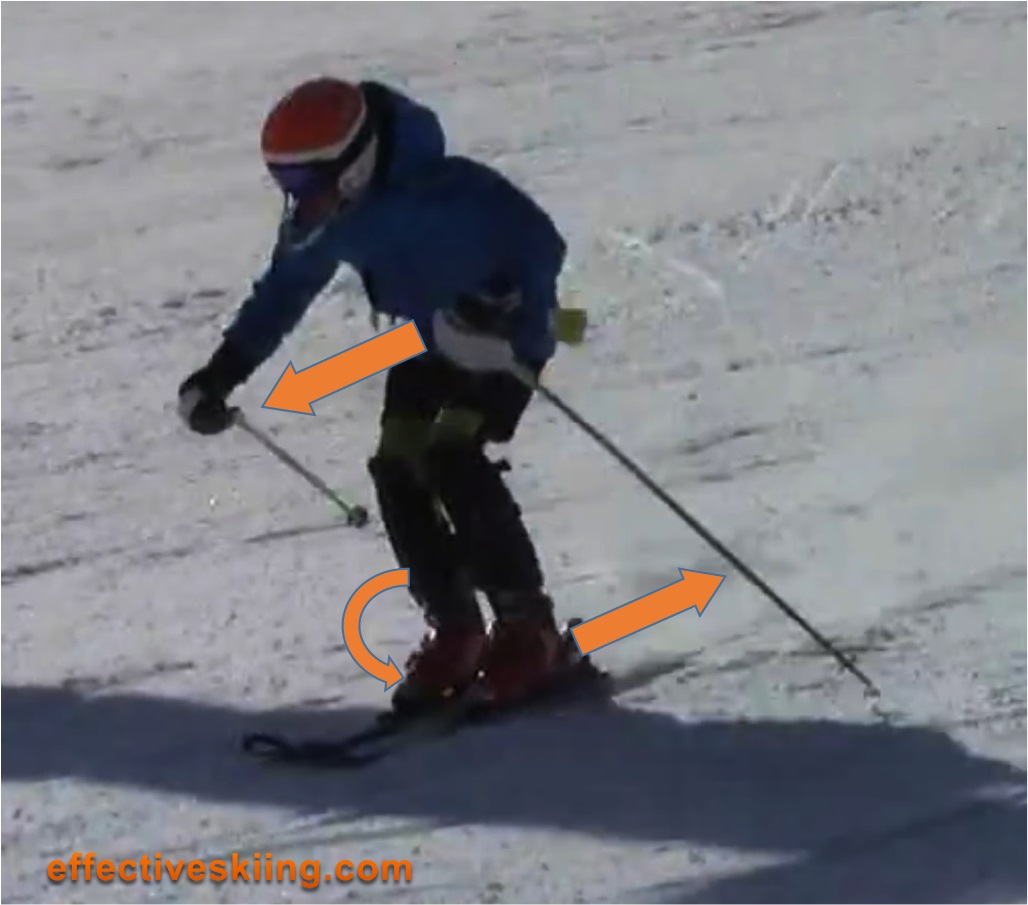 RecenteringAt the end of the turn, the skis tend to "get ahead" of the body and we need to "catch up to them". Recentering refers to getting back forward on the skis, in tPromoting new movement patternsYou cannot improve without changing something and the most important thing to change in skiing, to advance to expert are the movement patterns.Platform, balance and movementHow to balance on the skis while carving.Outside ski vs Downhill skiI noticed some coaches and racers use the term downhill ski – it should actually be outside ski – I thought initially that it was just my interpretation, but IMapping the most important elements of expert skiingI've spent a lot of time these past few years, reading, thinking, learning and analyzing performance skiing and I grouped the most important elements of expertHigh-CThe top part of a C-shaped arc, after skis flat to the fall line. Sometimes referred to as the "initiation phase", including some pivoting and steering, but wheElements of good skiingOne trait of a "master coach" is the ability of decomposing the sport down to a set of basic elements (skills or movements), then naming these to ease communicaEarly releaseThe early Release is really an early transfer, as we transfer to the old inside ski early, while it is still on its uphill edges. This is one of the typical hig
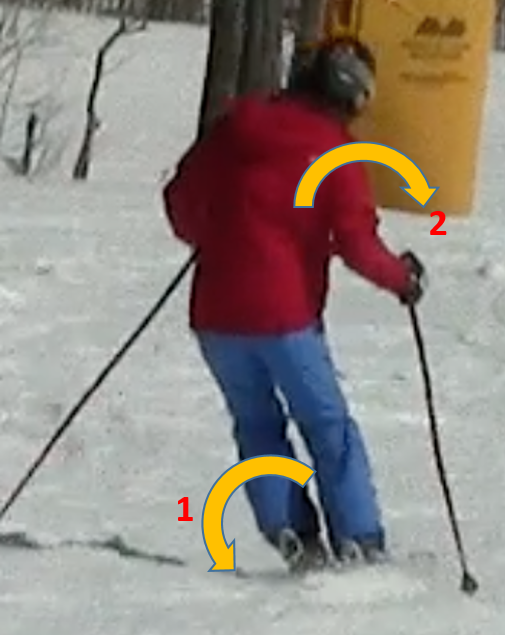 CounterbalancingOne of the Essentials of skiing, counterbalancing (or CB for short) is a specific form of lateral angulation, preferably including the hip, to complement the TiCoilingAmong the few related terms that refer to the rotational Separation of the lower and upper body, like counter and Counteraction, coiling implies a strong rotatiBrilliant Skiing Every Day - reviewThis is a great book from Weems Westfeldt at http://www.edgechange.com , on skiing, focused more on how to approach skiing and learning but with very good techn
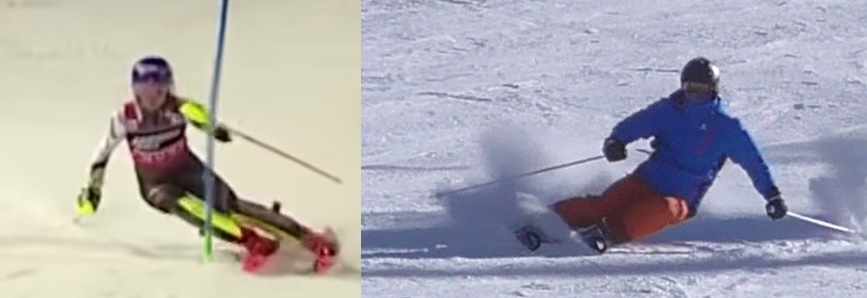 Analyzing high performance skiingCreated a f-book post earlier with this comparison of two skiers (one great, one not so much) with the purpose of looking at the differences and trying to figur