Topics
#fundamental
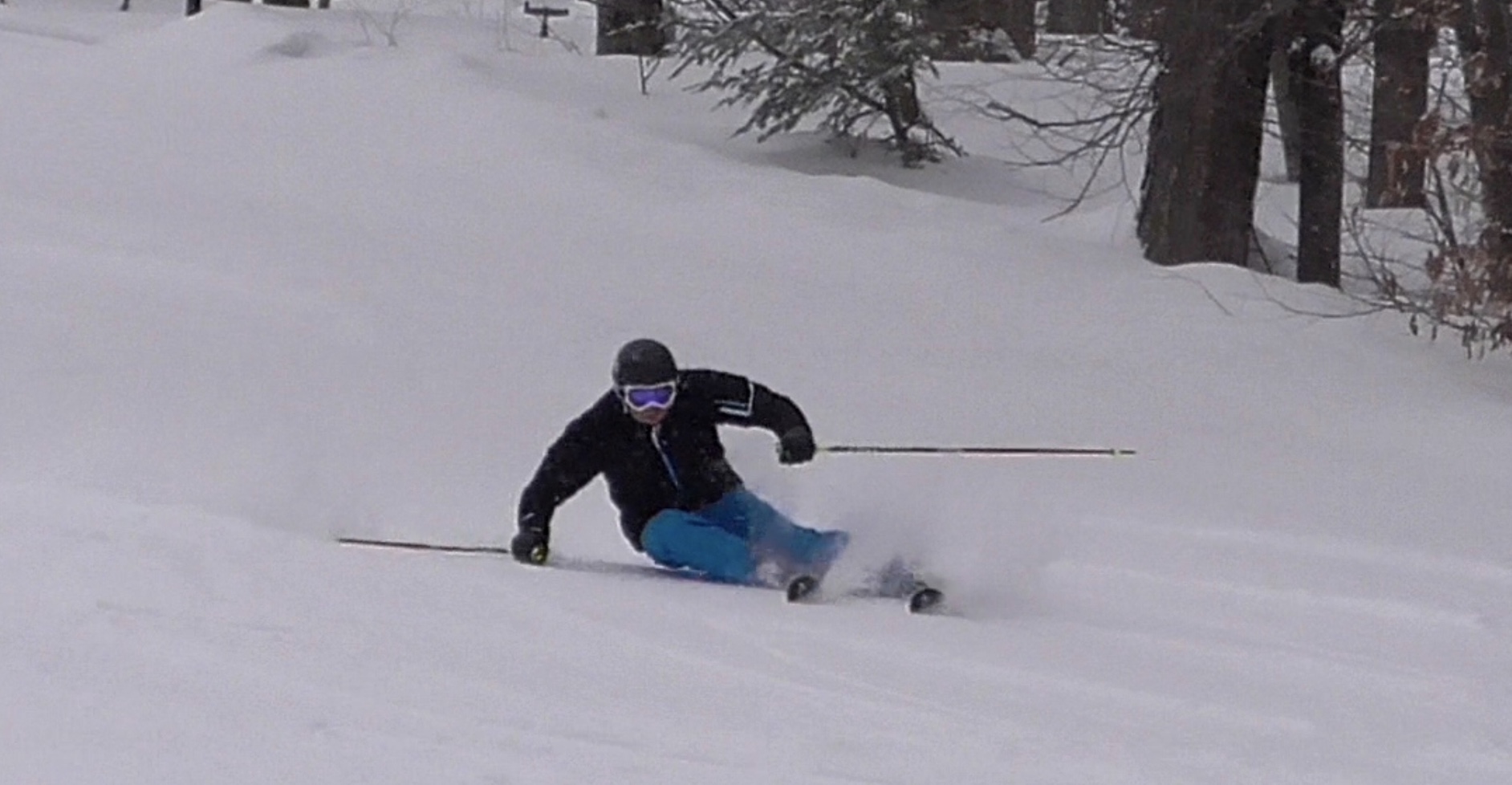 What Does It Take to Ski Like the Best?Article by Greg Rhoads (a.k.a. HeluvaSkier)
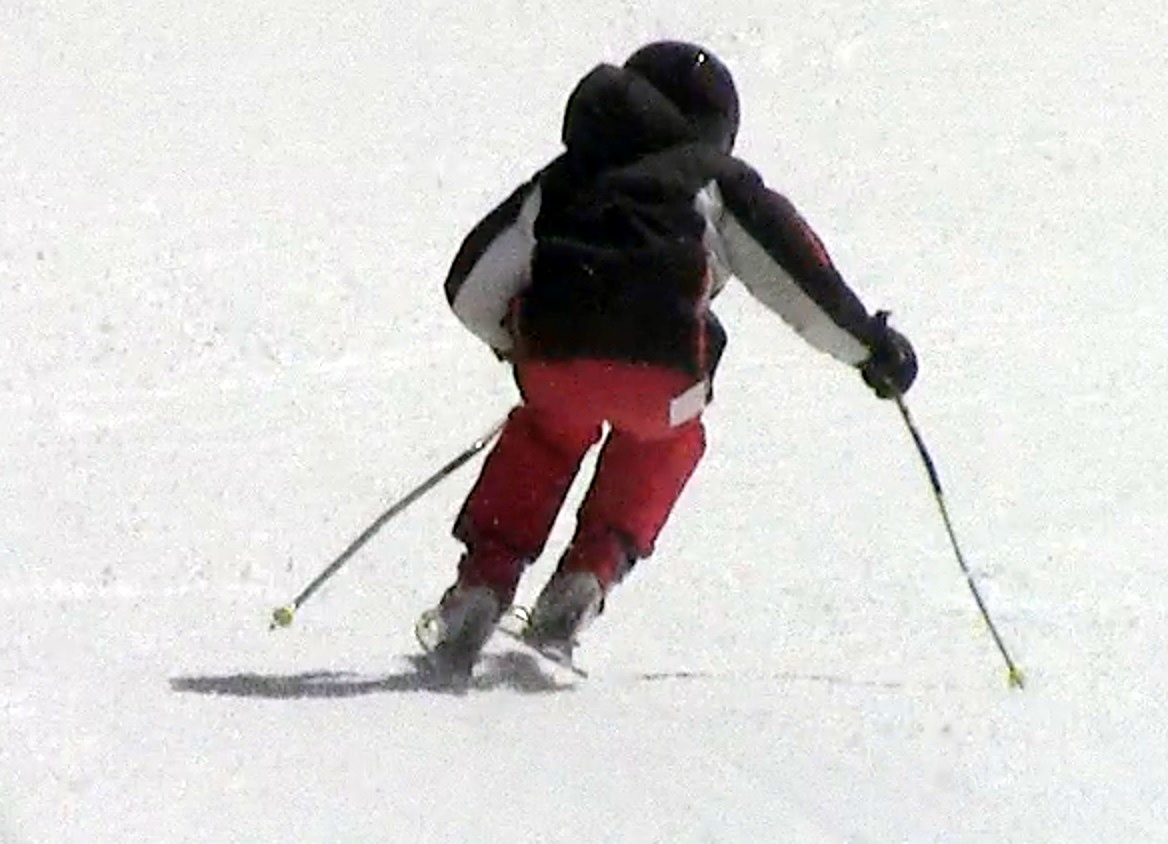 TippingTipping is actively rolling the feet from one side to the other to make the skis roll on edge^8 - the first primary movement in the Essentials framework, direct
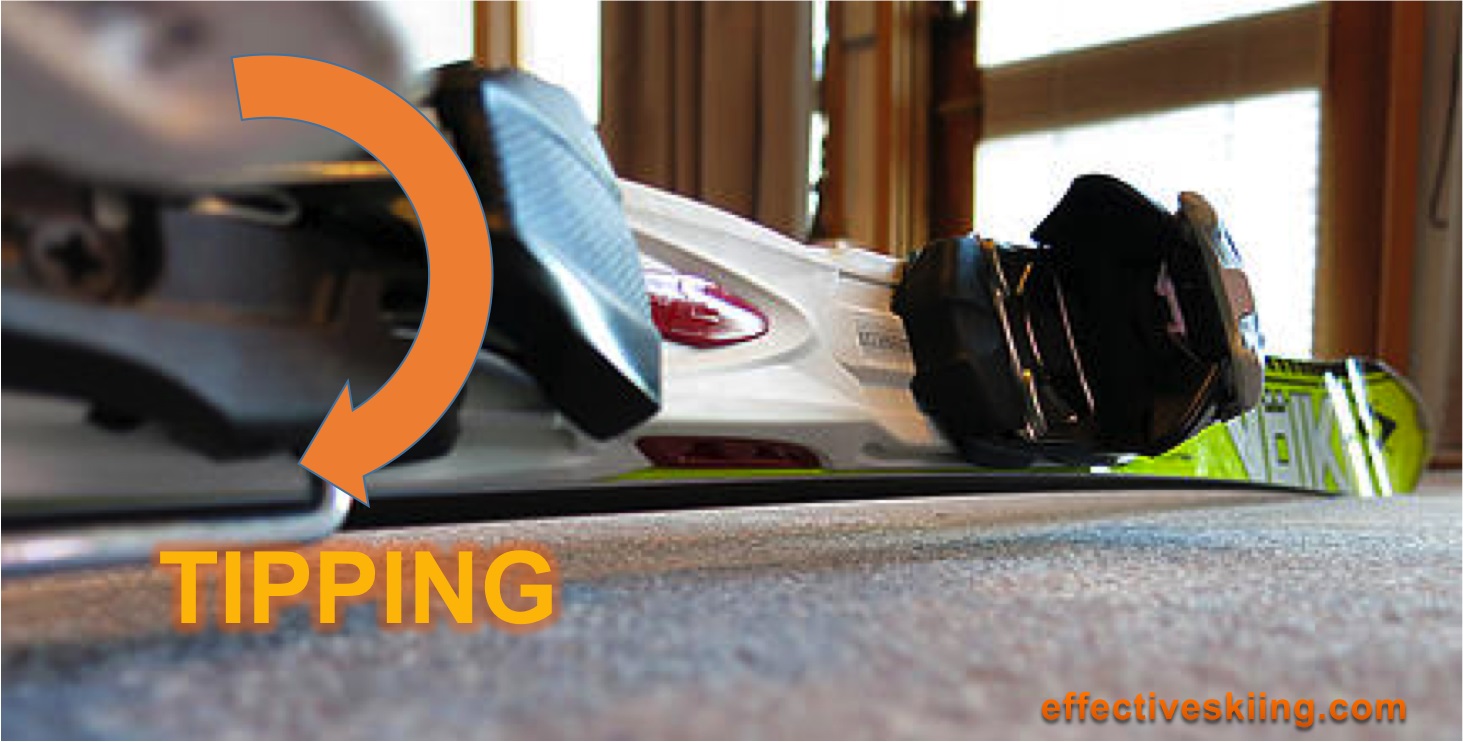 Foot TippingFoot tipping is the action of rolling the skis on edge with the feet. It is the most effective way to make the skis turn, because of the Sidecut and its interac
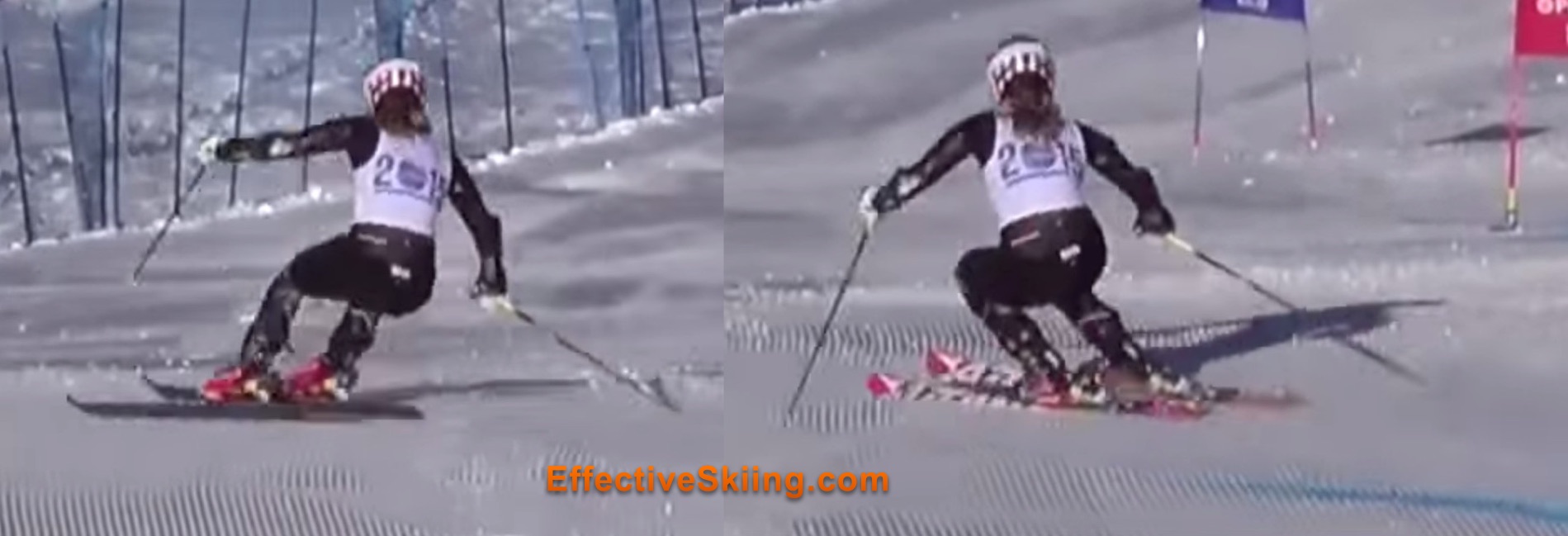 Weight transferWeight transfer is a critical aspect of skiing, simply because we have to transfer weight from one outside ski to another outside ski, as we keep turning across
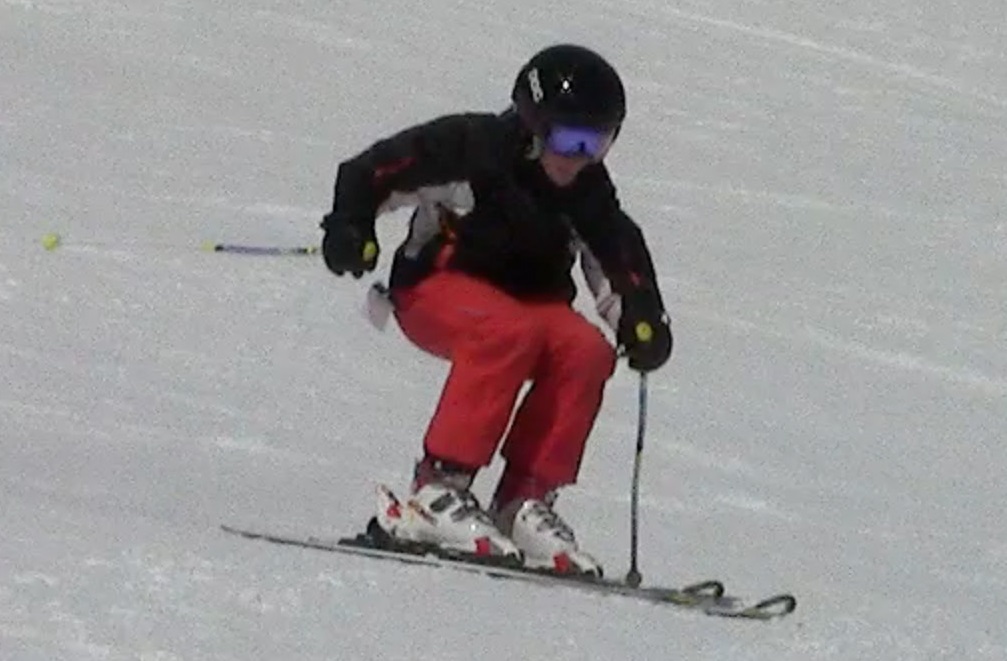 The transition between turns in alpine skiingThe transition in alpine skiing. Types of transitions and how to work on ski transitions.
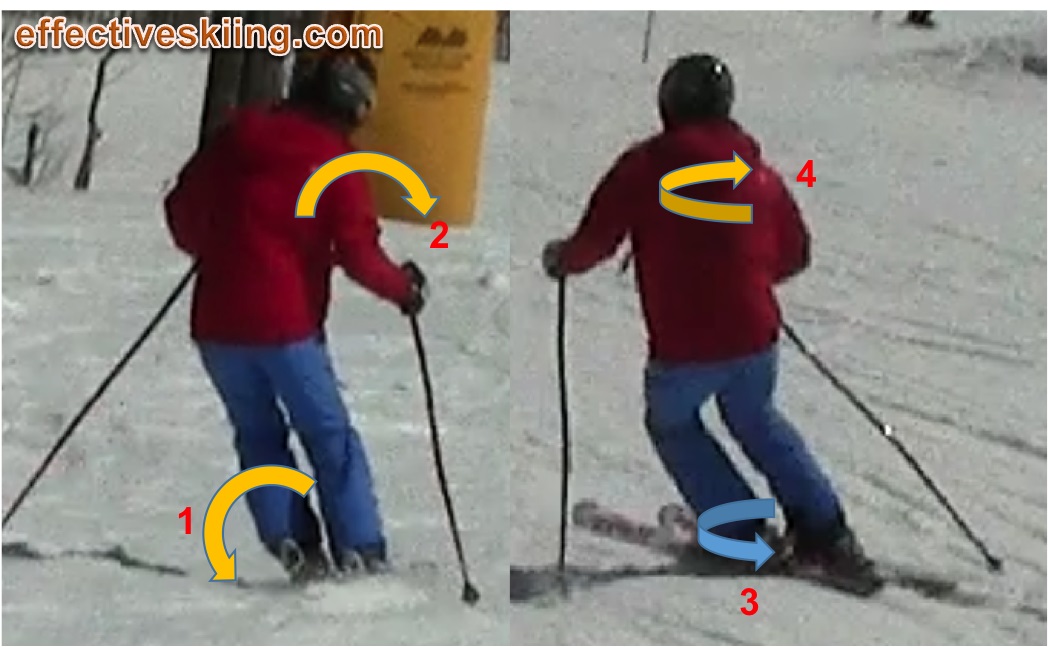 SeparationSeparation is the fundamental principle of skiing: the one of separating the movements and actions of the upper body from the movements and actions of the lower
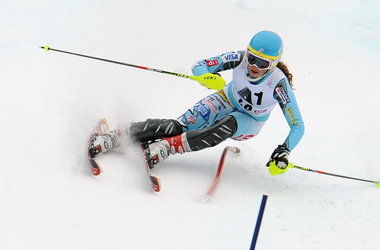 PressureApplying pressure to the skis is what causes them to bend and turn and is responsible for great skiing. Avoiding pressure for the most part, on the other hand i
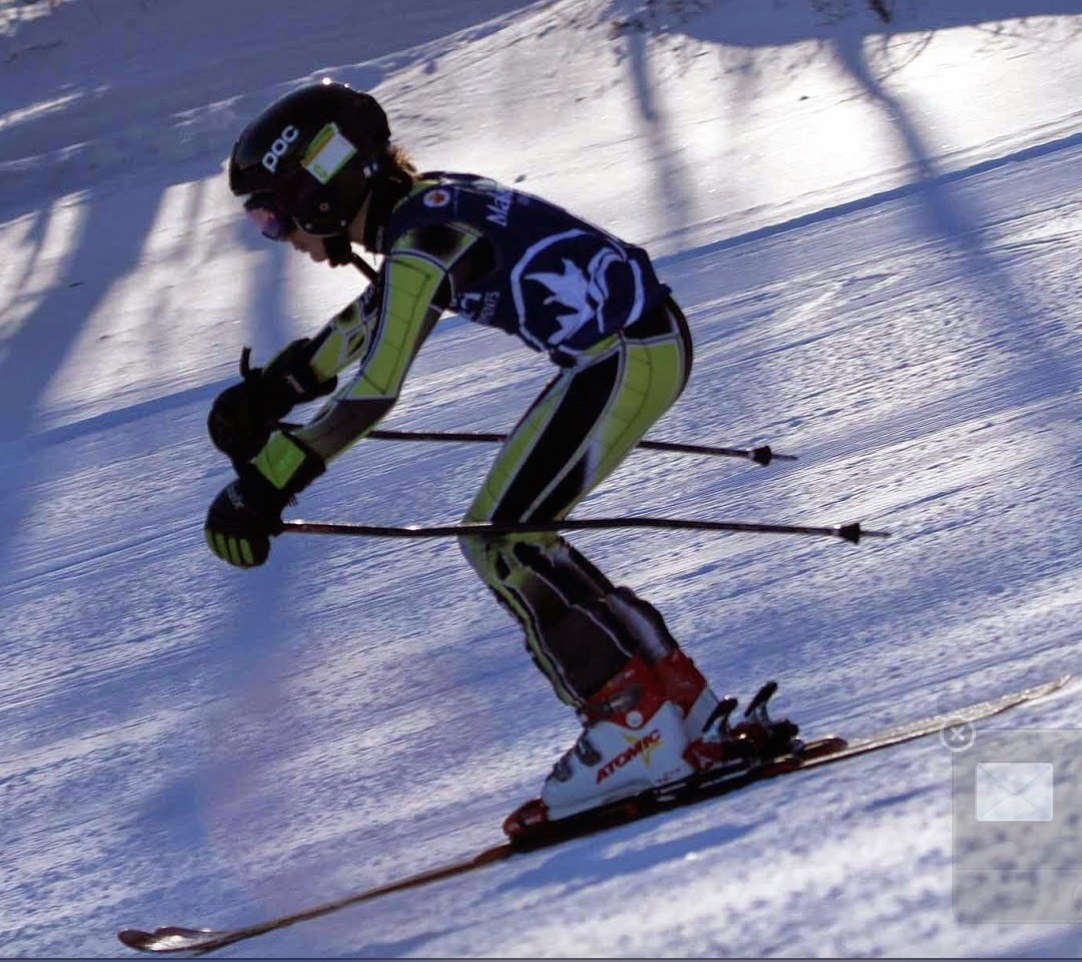 Fore-aftFore/aft balance and control makes for great fluid skiing, in dynamic balance and adaptable to all conditions, with instant line and turn shape control and more
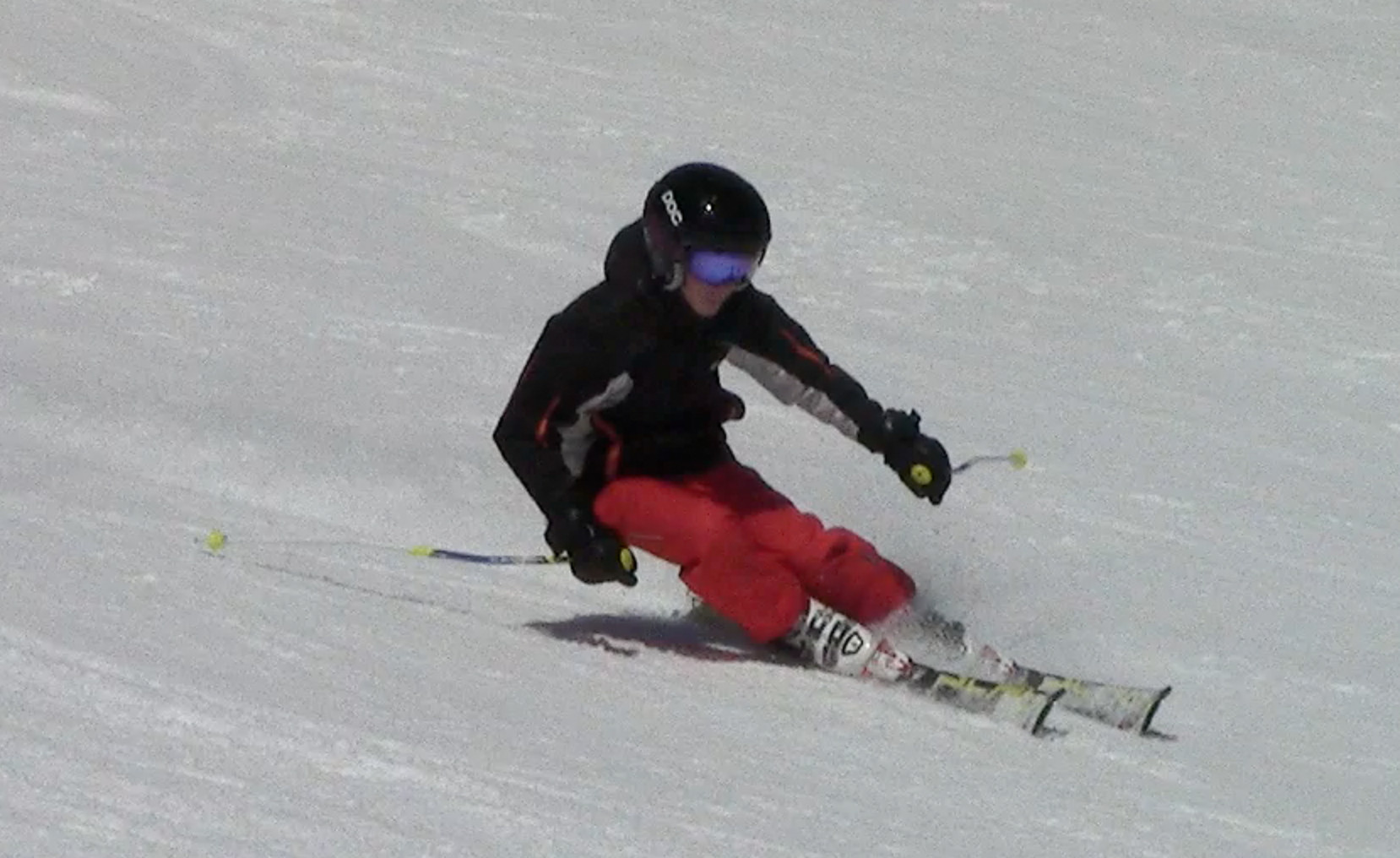 AngulationAngulation refers to the lateral movements of creating angles at the ankles, knees, hips and spine^1, but it is commonly used to reference hip angulation. Its p
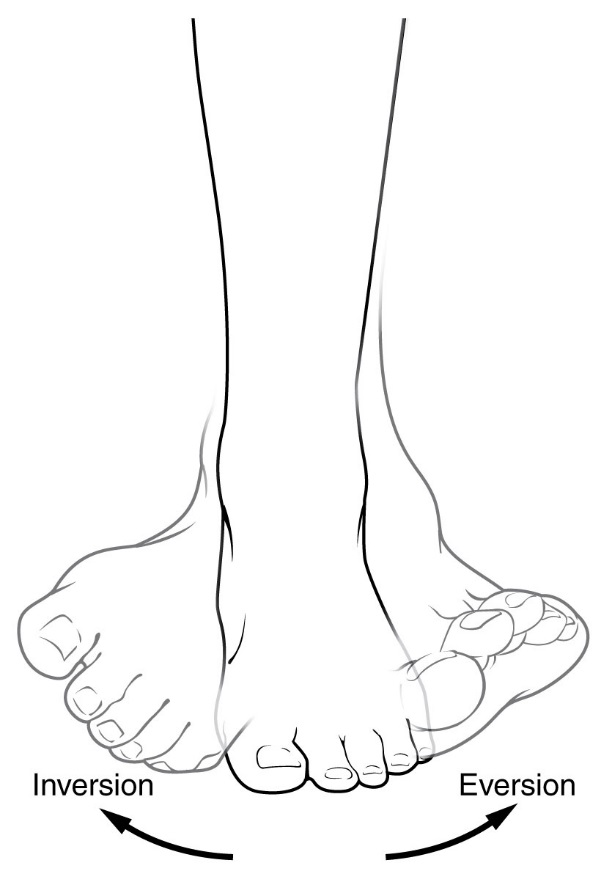 Inversion and eversion in expert skiingThe best way to Tipping tip the skis on edge is via the lower foot and ankle, via inversion/eversion ( commonly referred to as Foot Tipping ):
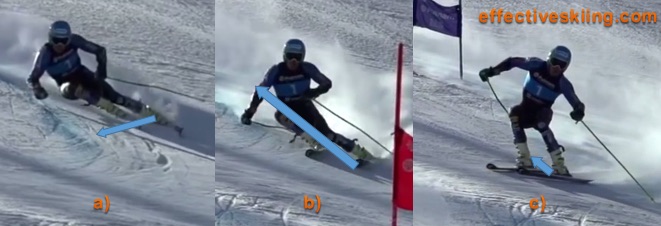 When to relax to releaseSome good questions and thoughts recently on flexing the outside leg, in order to release the ski: when exactly does one soften the outside leg, allowing it to
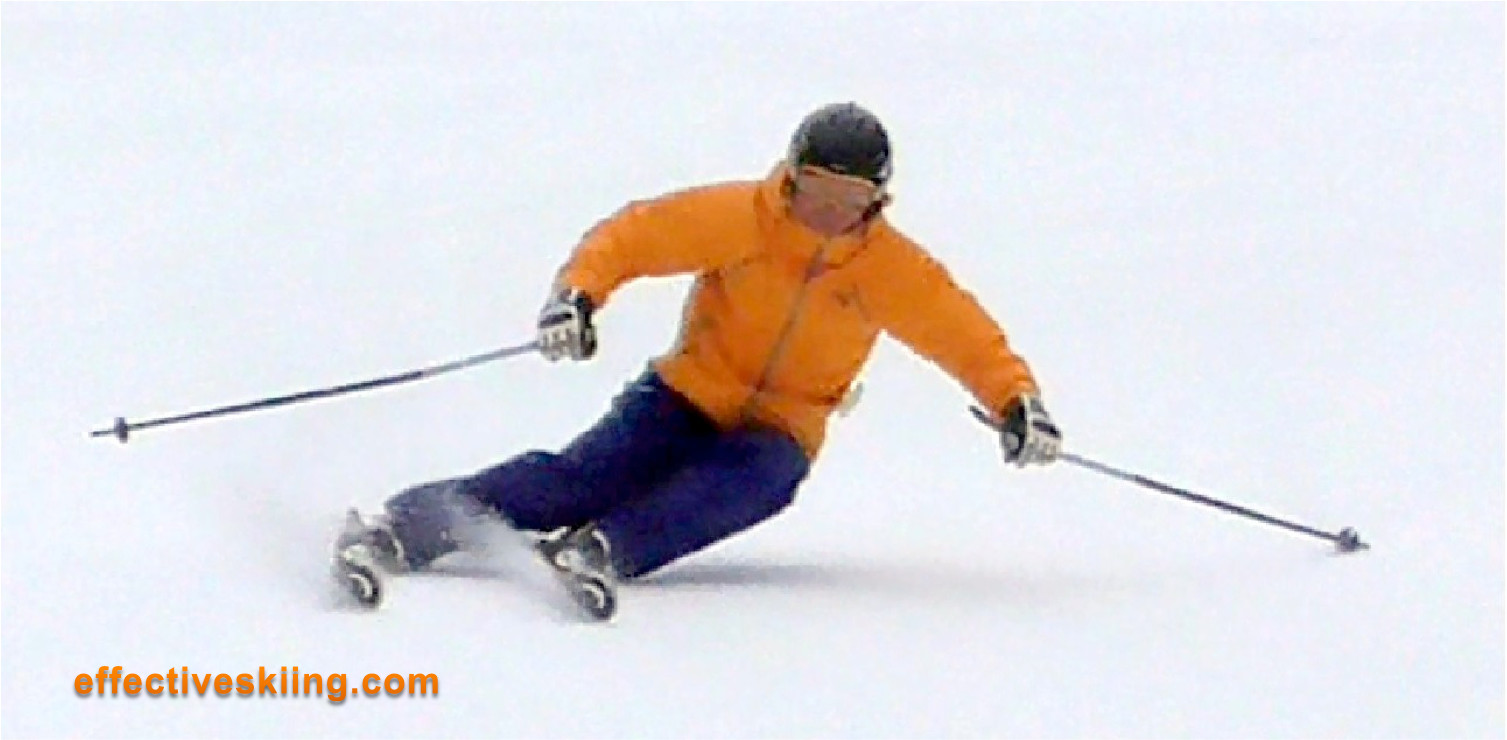 Speed controlSpeed control is the name of the game in skiing It is one of the basic skills and the confidence generator. High or low performance, speed must be controlled an
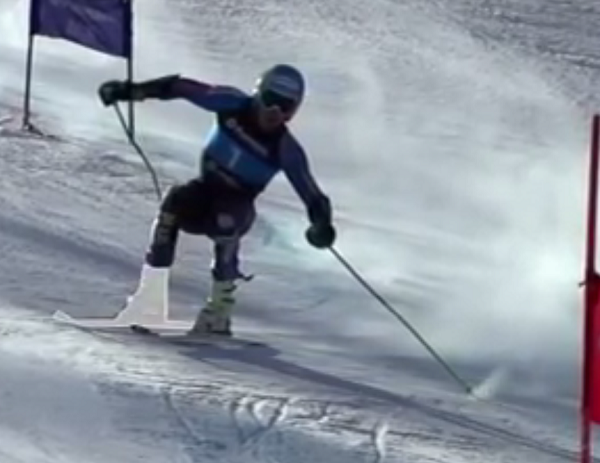 ReleaseThe release and transfer are arguably the most important parts of the turn - as they will set up all the elements for the next turn as well. The purpose of the
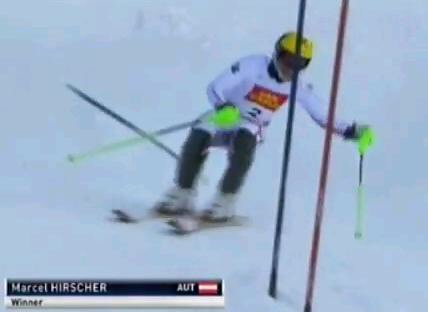 Low and forwardExpert skiing can be a little counter-intuitive. Expert skiers are not just "regular skiers that carve better" but they usually ski with different movements. On
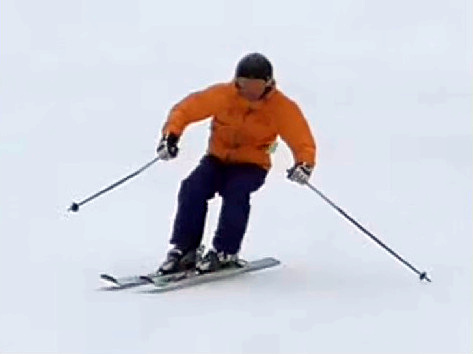 FloatingIn high performance skiing, there is a state of "floating" between turns. The energies from the turn can be harnessed to create a state of weightlessness, where
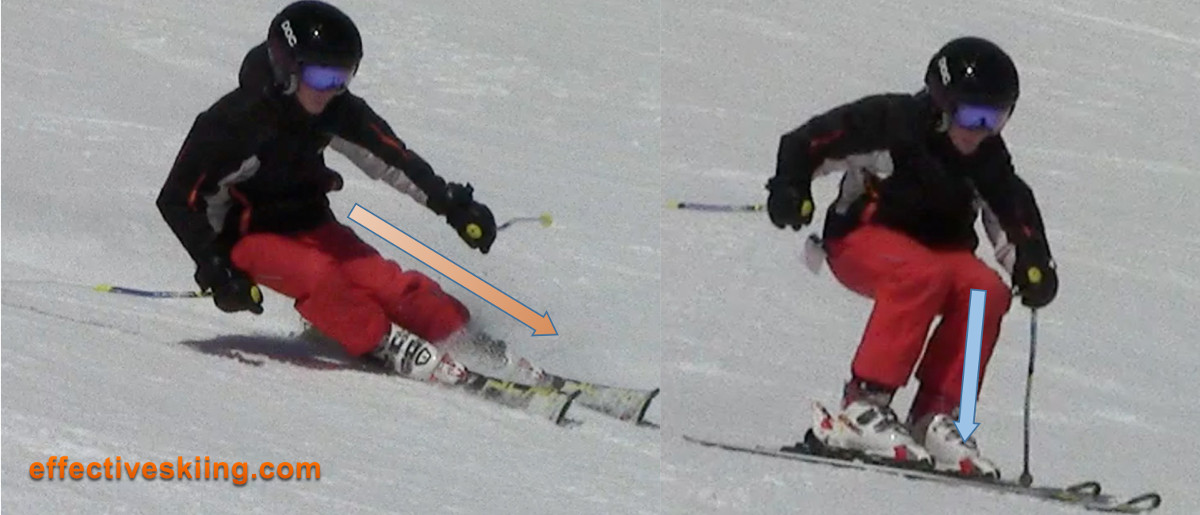 FlexingFlexing and extending of joints is what enables us to move and stay in balance. The most important flexing is that of the ankles, knees and hips, all fundamenta
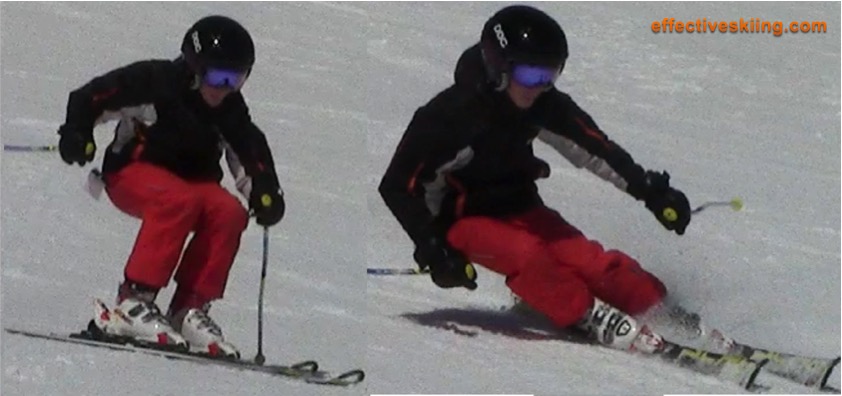 Flexing and extendingFlexing and extending of joints are how we move and stay in balance. Traditionally seen as just a means to control pressure, that's not the entire story - here'Flexed releaseFlexing and shortening the outside leg in order to release the ski, also referred to as "flexion release", "flex to release", "retraction" or "down-unweighting"
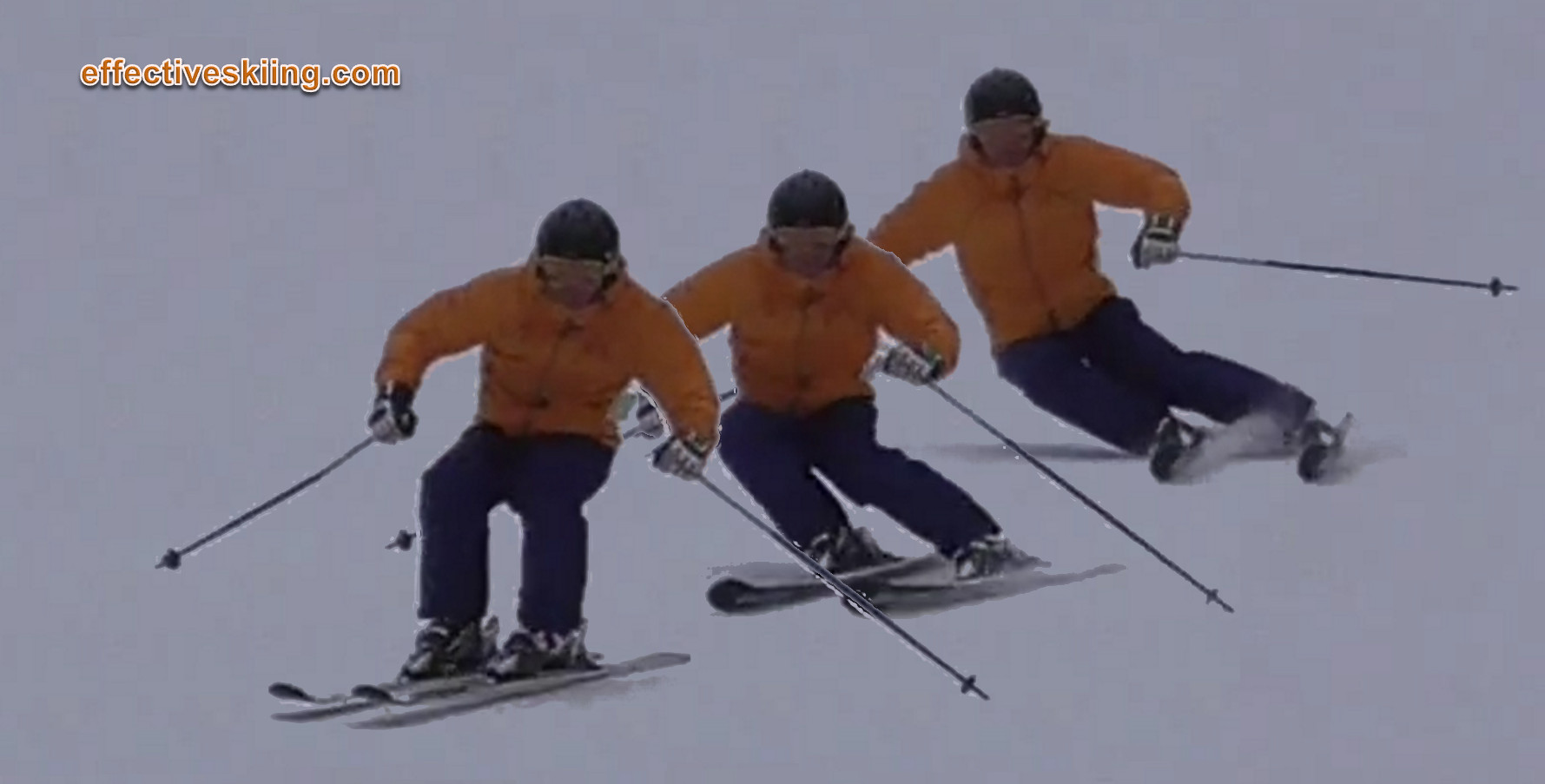 Expert skiingEverybody keeps looking for simplifications and unification... well, it is true: it is tempting to try and define expert skiing in very simple and straightforwa
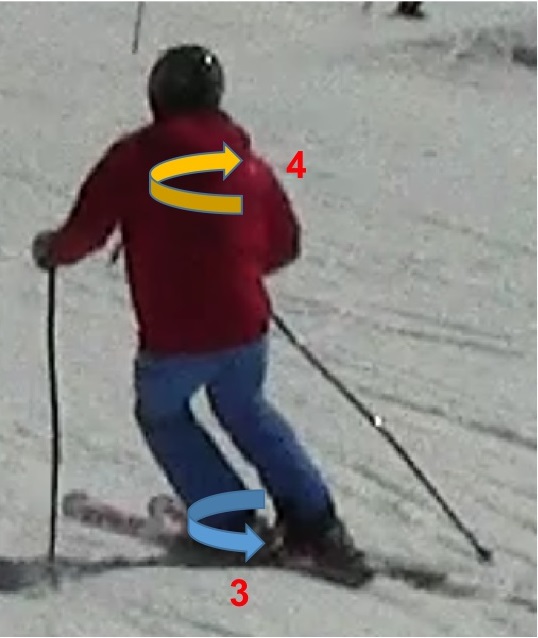 CounteractionWhile the skis are turning because of the other movements and interaction with the snow, counteracting is the active rotation of the torso contrary to the way t
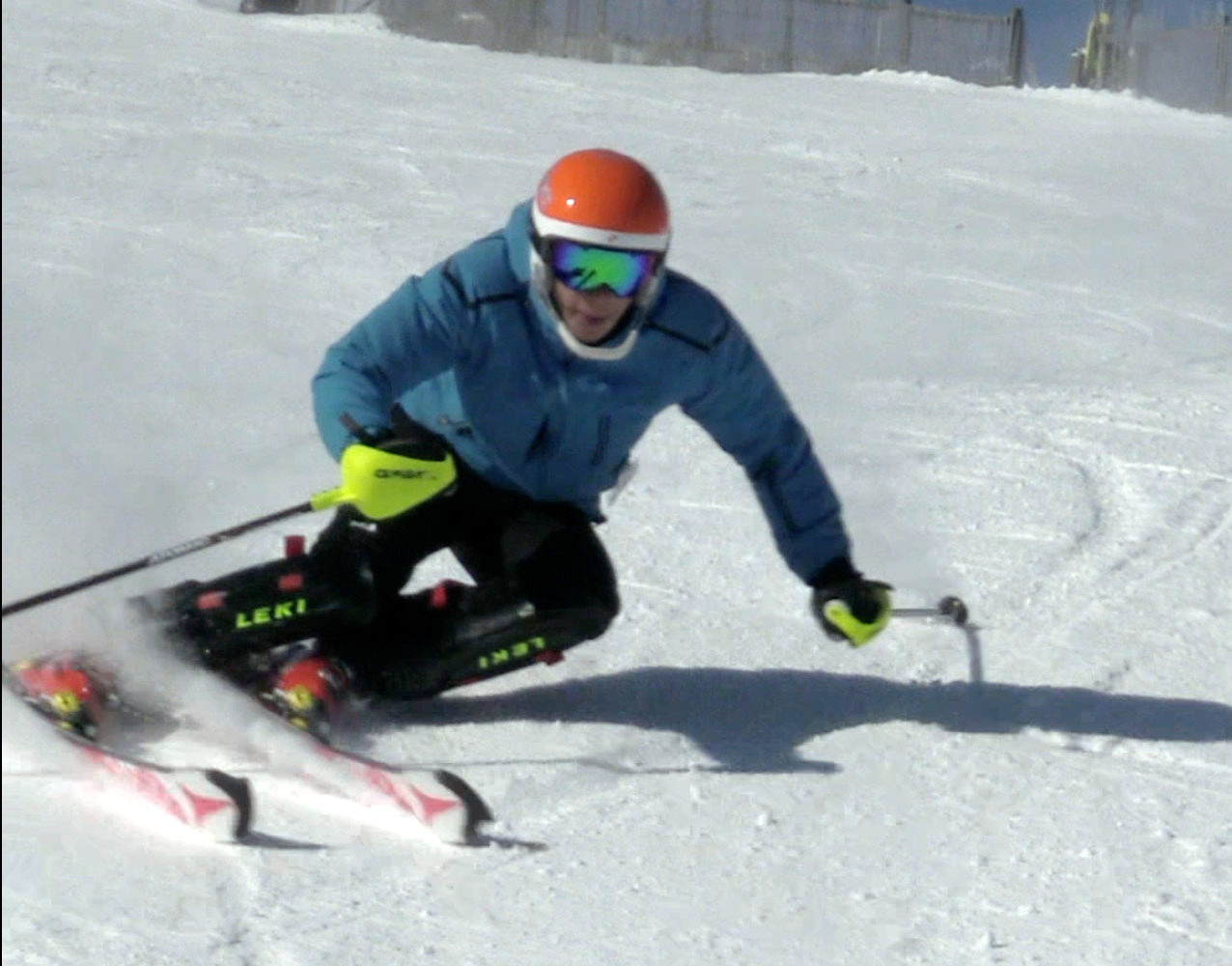 CarvingLearn what carving is and how to carve the skis.
 BalanceA sense of balance must be developed above all other skills, for great skiing to be possible. In dynamic skiing however, we talk about stability with mobility,AlignmentTo stay in balance, we need to be aligned with (or against) the forces acting on our body. This continuously requires movements like Counterbalancing and Coilin
 StanceStance refers to the way we stand on the skis and a good stance on skis is critical for Balance and performance. Stance is not a static notion, because our relaRetraction releaseThe retraction release is similar to the Flexed release - sometimes seen as an extreme case of the flexed release, where we not only relax the outside leg, but
 RecenteringAt the end of the turn, the skis tend to "get ahead" of the body and we need to "catch up to them". Recentering refers to getting back forward on the skis, in tHigh-CThe top part of a C-shaped arc, after skis flat to the fall line. Sometimes referred to as the "initiation phase", including some pivoting and steering, but wheFundamentals of skiingYou hear talk all the time that the best and brightest of any sport always go back and practice the fundamentals, over and over again... so, what are these fundFeathering the edgesRefers to an ability for fine-control of the Tipping and edging, to engage the edges more or less and create the desired turn shape, whether carving or not.Elements of good skiingOne trait of a "master coach" is the ability of decomposing the sport down to a set of basic elements (skills or movements), then naming these to ease communica
 CounterbalancingOne of the Essentials of skiing, counterbalancing (or CB for short) is a specific form of lateral angulation, preferably including the hip, to complement the TiCoilingAmong the few related terms that refer to the rotational Separation of the lower and upper body, like counter and Counteraction, coiling implies a strong rotatiCalm upper bodyOften the phrase "maintain a calm upper body" is thrown about by coaches and instructors and certainly visible in all Expert skiing: